Defining Culture and Society
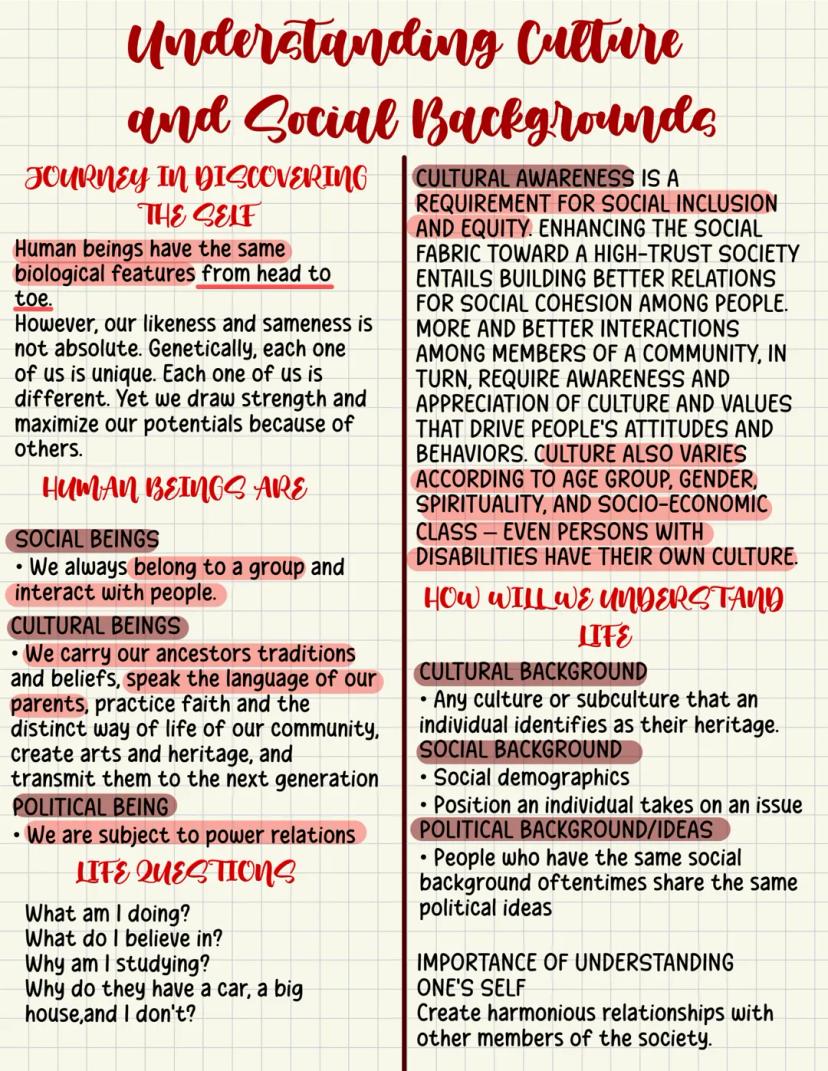
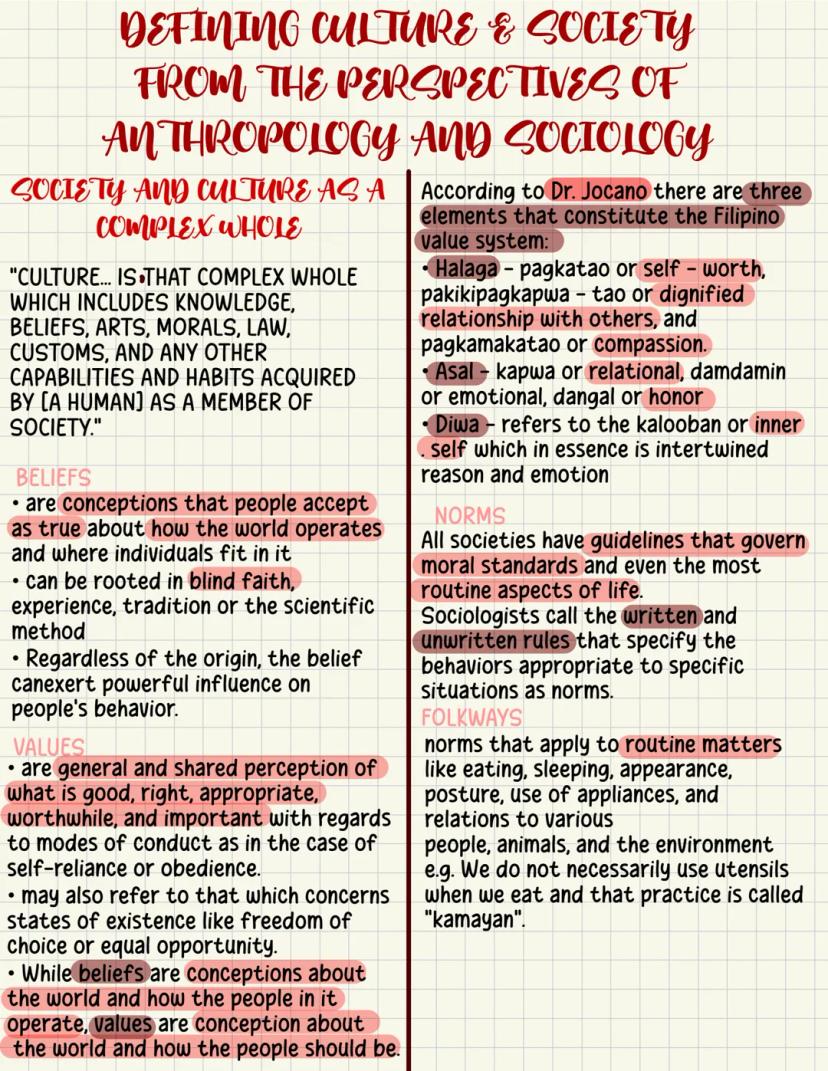
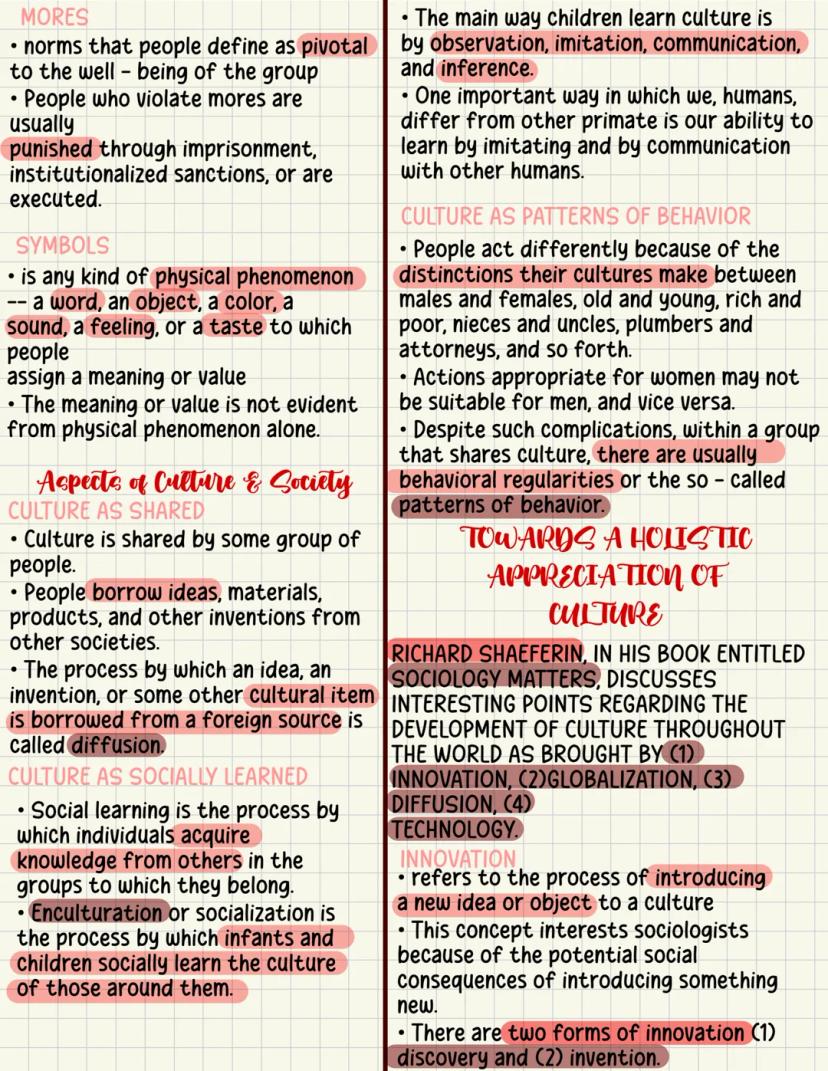
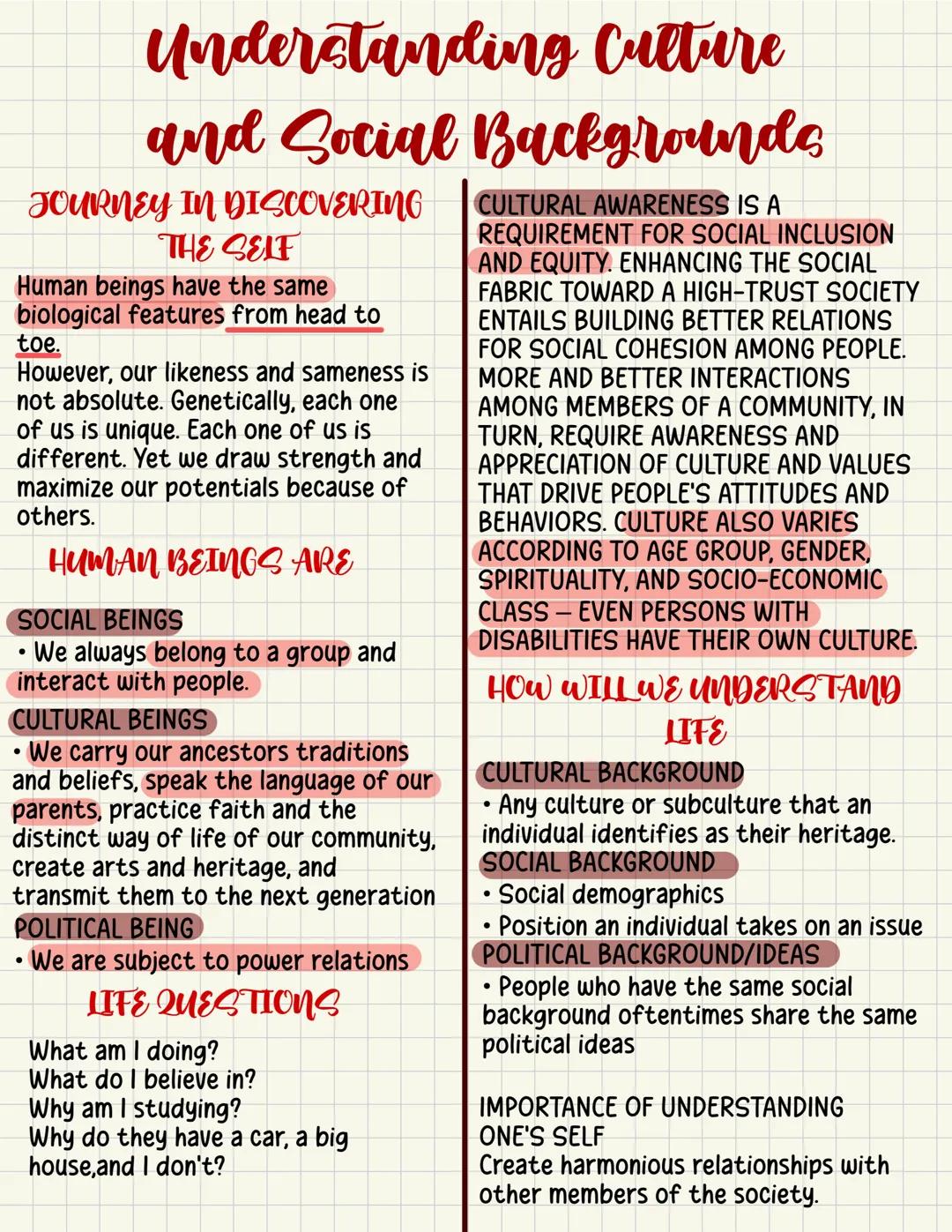
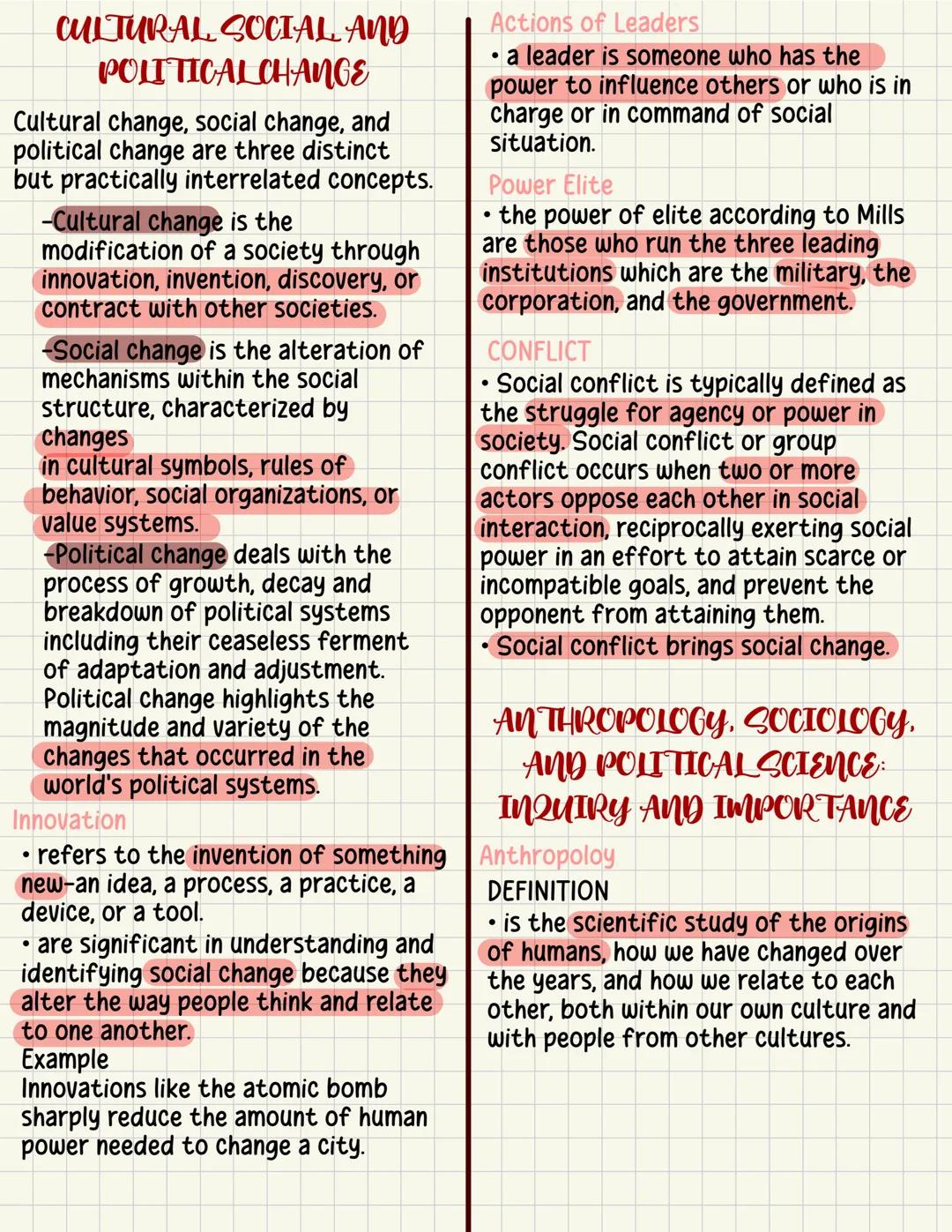
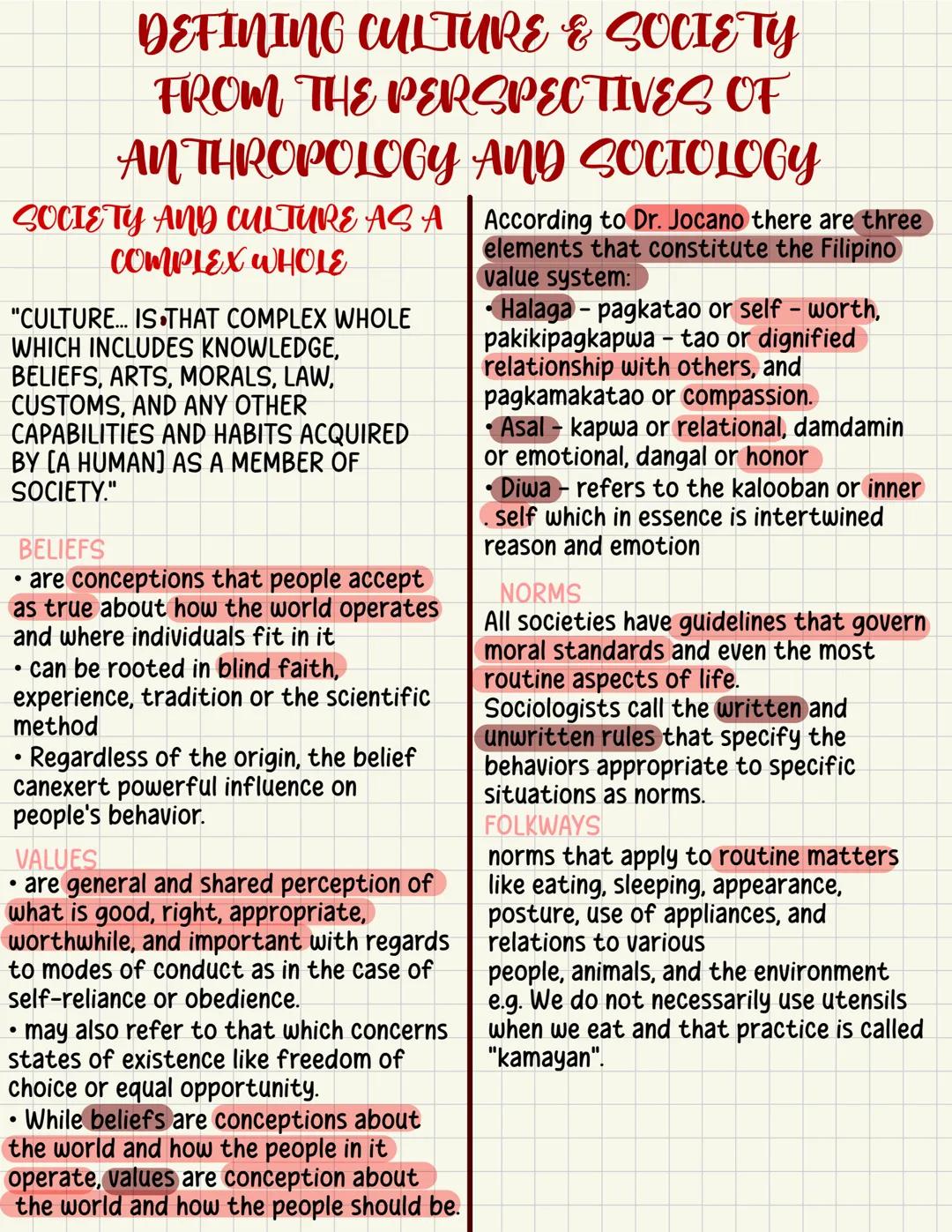
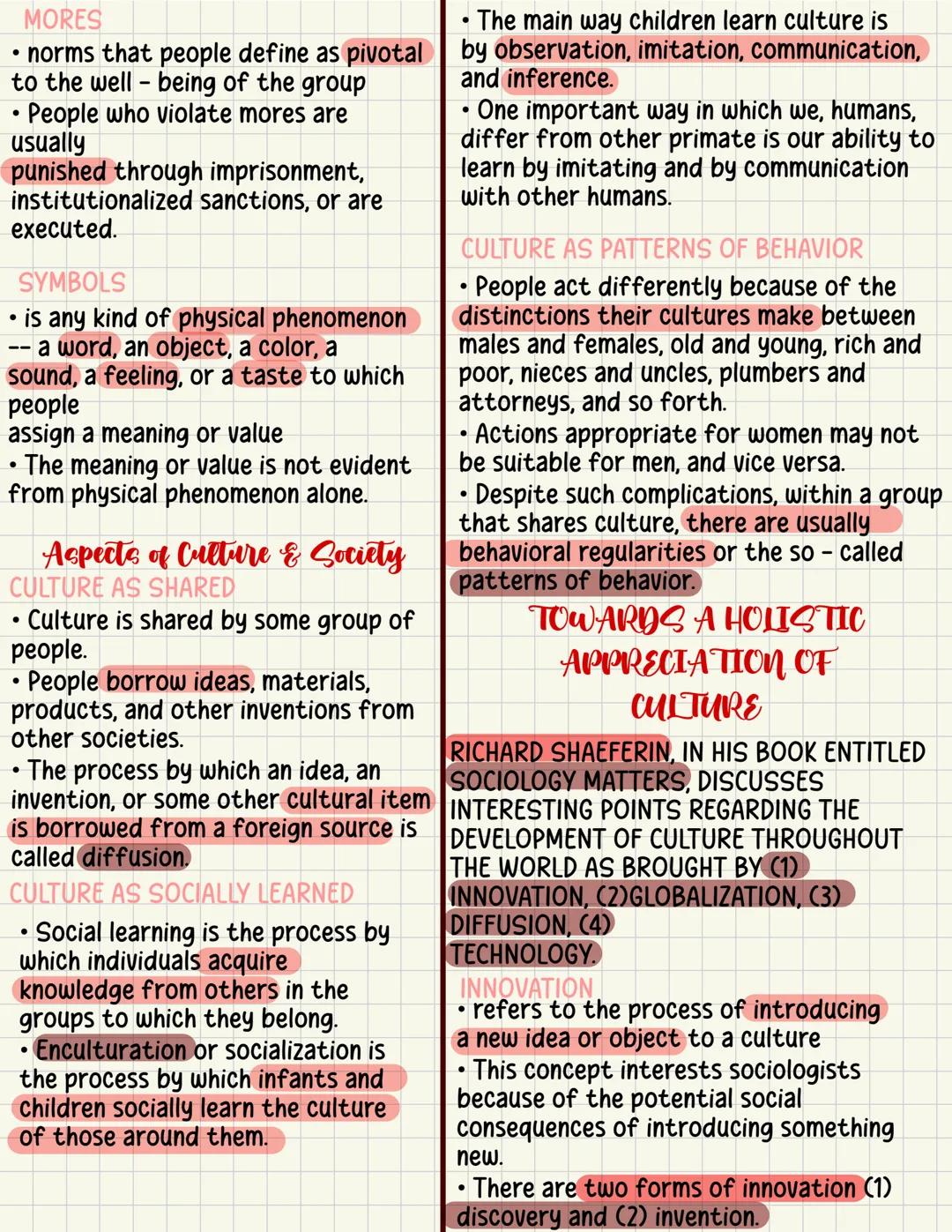
Culture is that complex whole including knowledge, beliefs, arts, morals, laws, customs, and habits you acquire as a member of society. It's like an invisible instruction manual that guides how you think and behave in different situations.
Beliefs are what you accept as true about how the world works - whether based on faith, experience, tradition, or science. Values are your shared perceptions of what's good, right, or worthwhile. Filipino values, according to Dr. Jocano, include three key elements: halaga self−worth, asal (relational behavior), and diwa (inner self combining reason and emotion).
Norms are the written and unwritten rules governing behavior in specific situations. Folkways cover routine matters like eating habits - for example, using "kamayan" (eating with hands) is normal in Filipino culture. Mores are more serious norms that people consider crucial for group well-being, with violations often resulting in punishment.
Symbols are physical phenomena (words, objects, colors, sounds) that people assign meaning to. The meaning isn't obvious from the symbol itself - it's culturally learned and shared within groups.
Fun Fact: Culture is shared, socially learned, and creates patterns of behavior that help predict how people in the same culture will likely act in similar situations.





 UCSP
UCSP Science
 Econ
Econ Iba pa
 Filipino
 Social Studies