How Breathing Actually Works
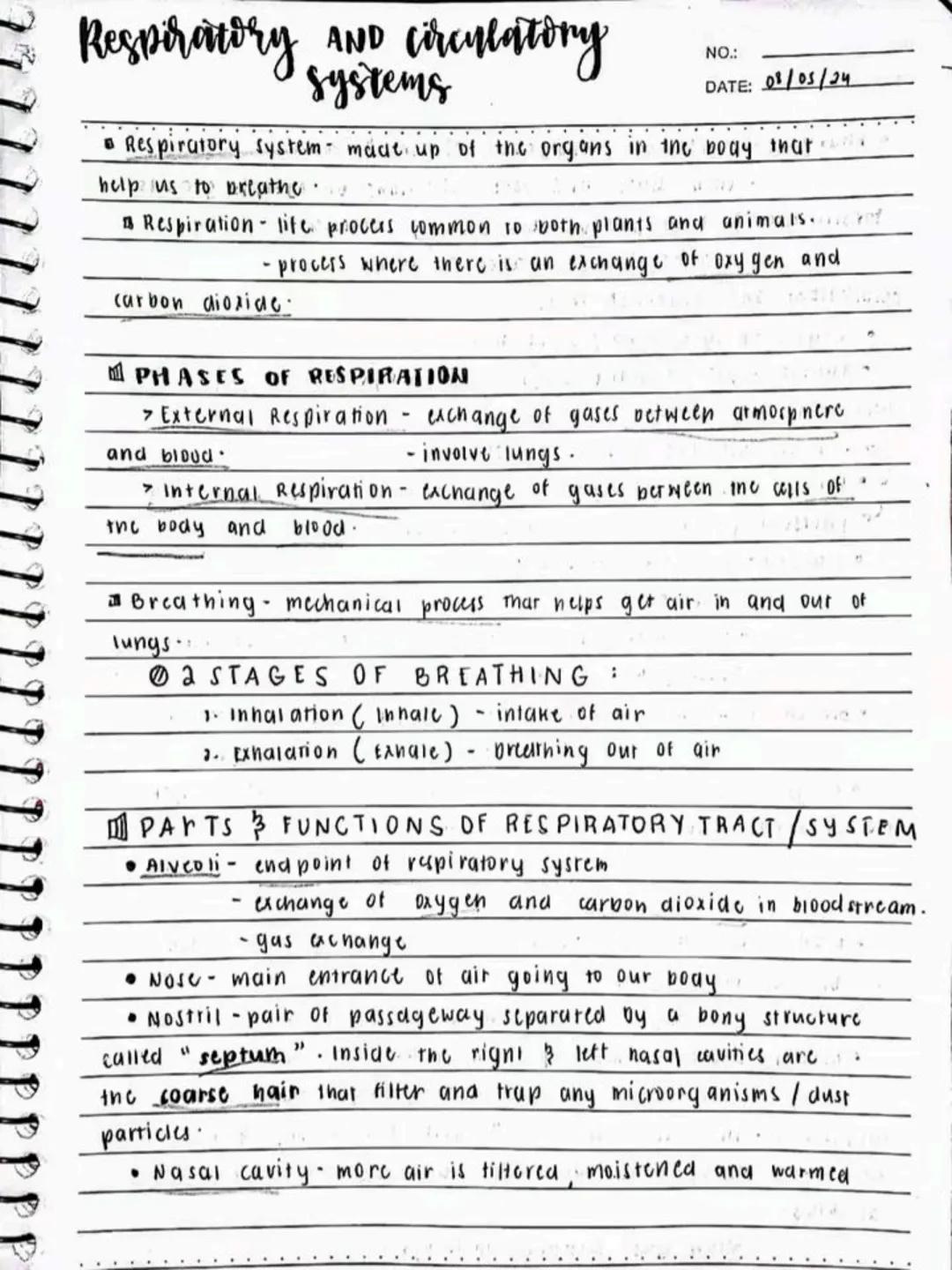
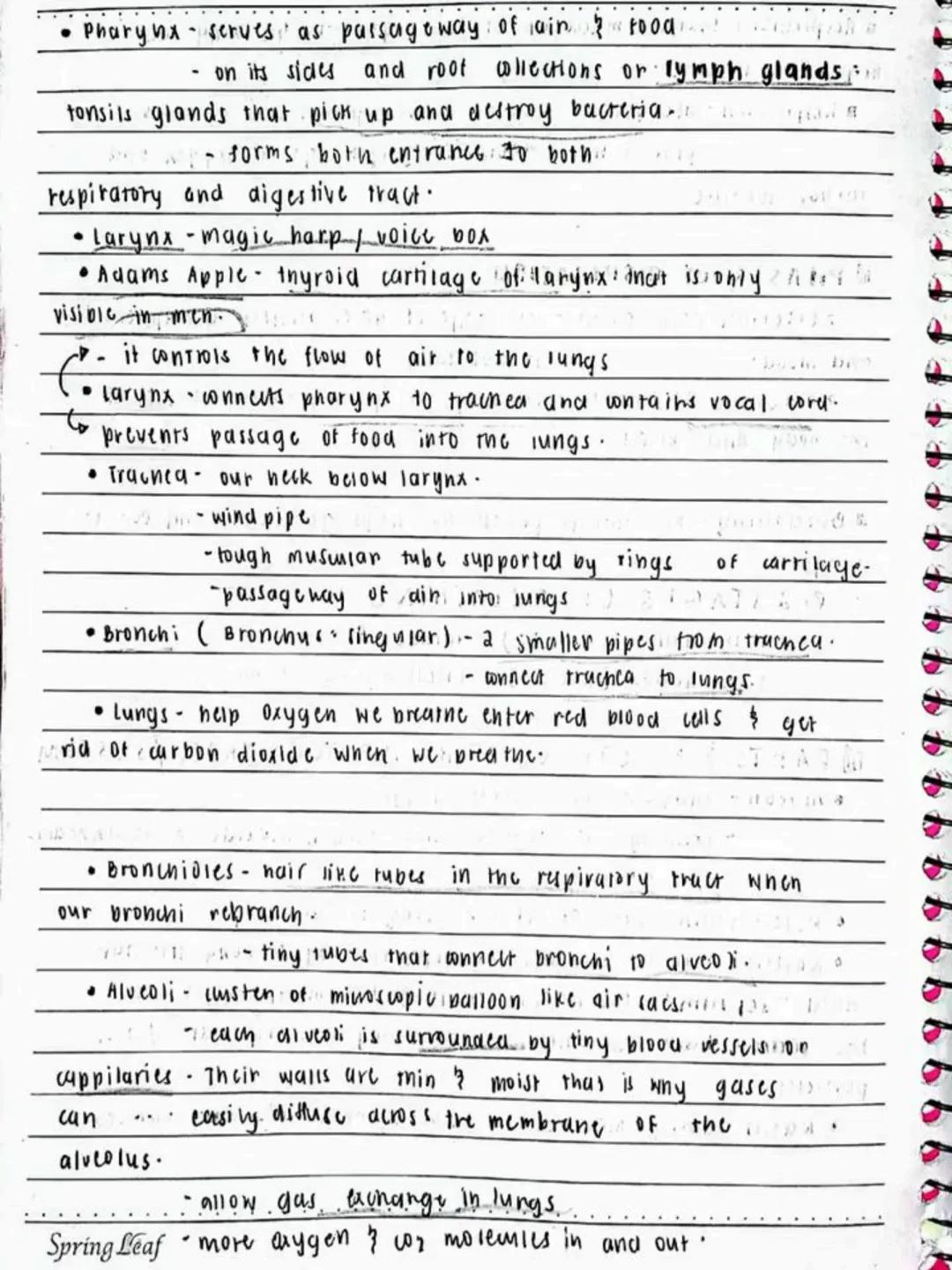
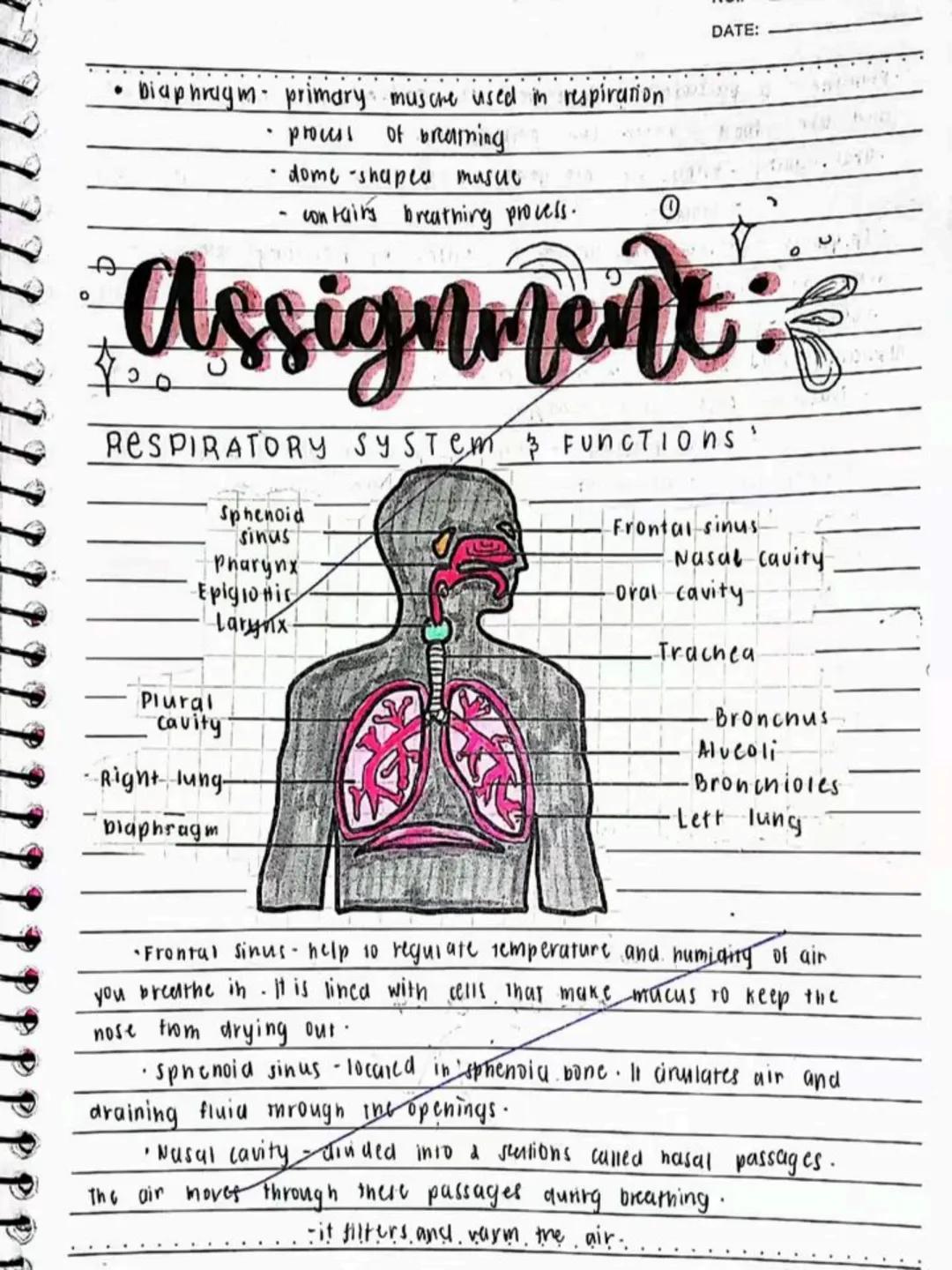
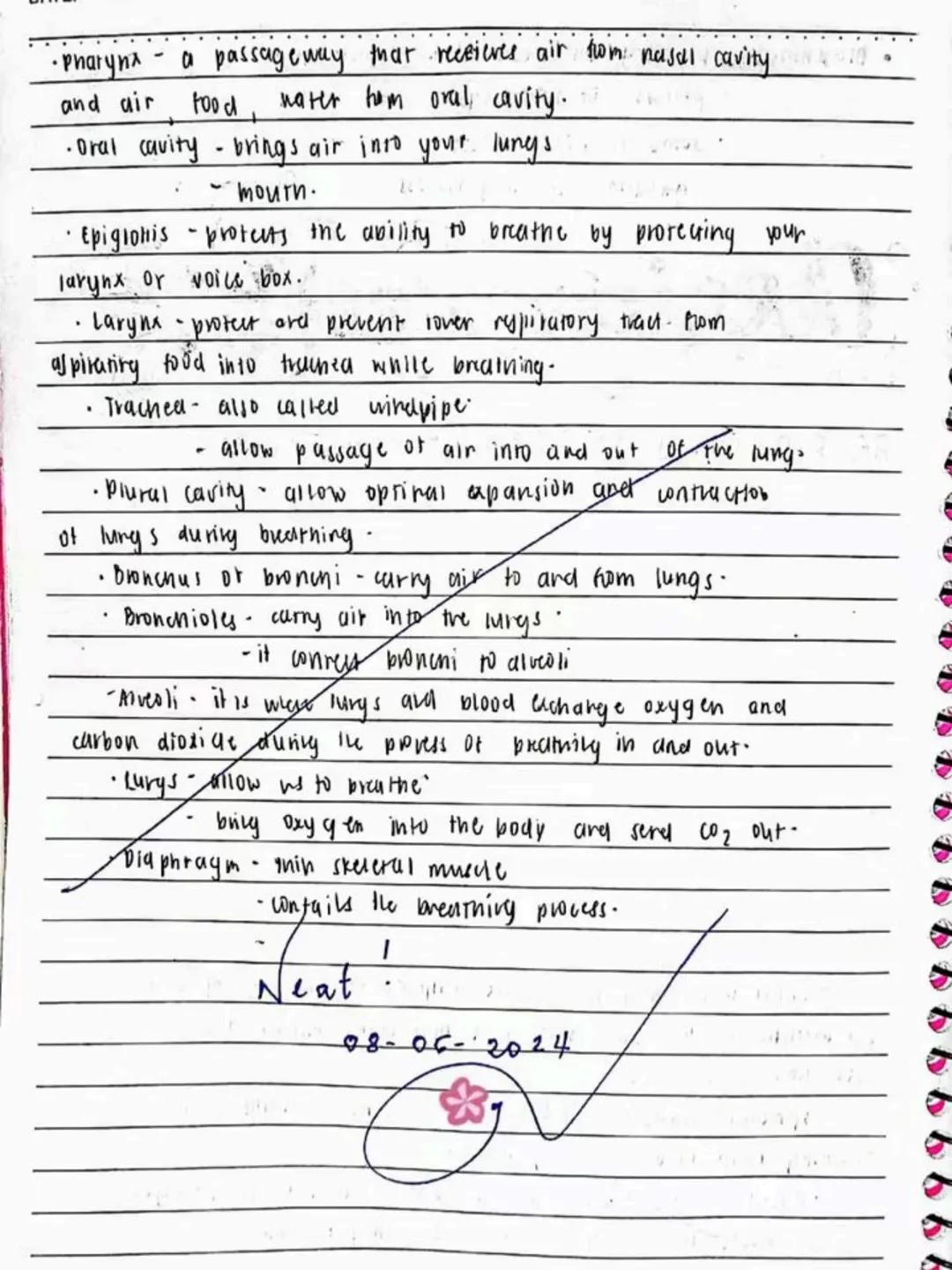
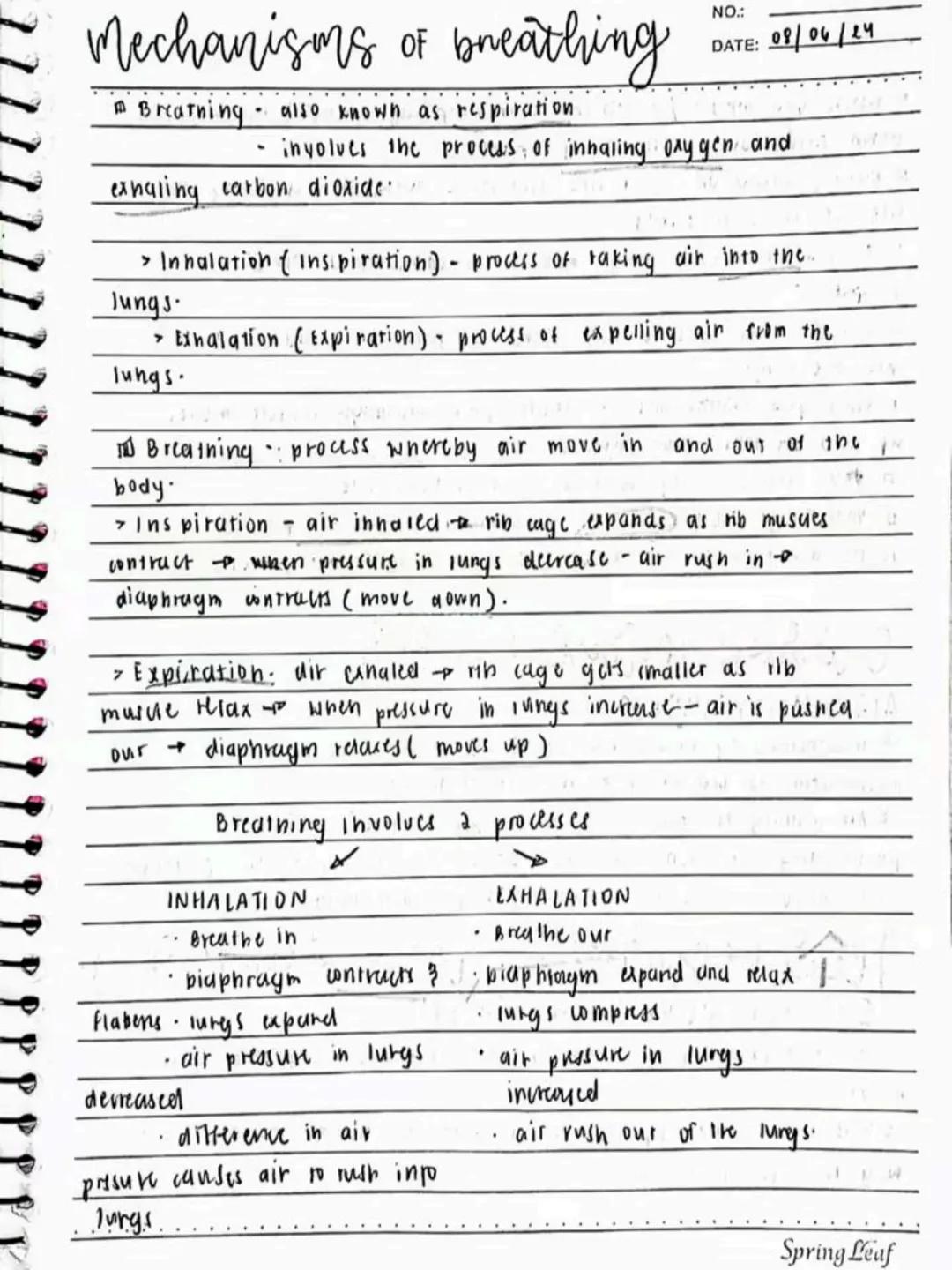
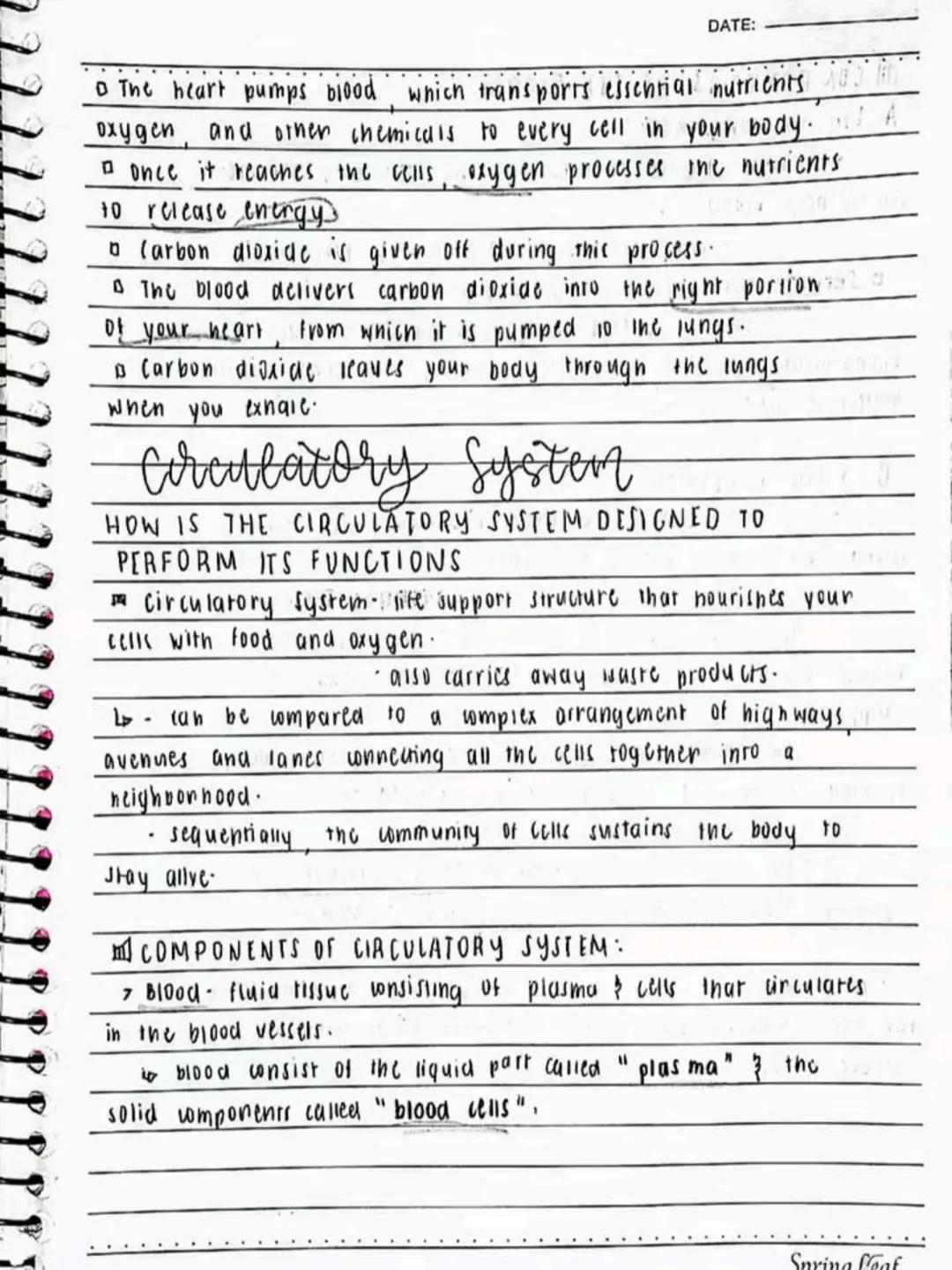
Breathing (also called respiration) involves inhaling oxygen and exhaling carbon dioxide through two main processes. Inhalation brings air into your lungs, while exhalation pushes it out.
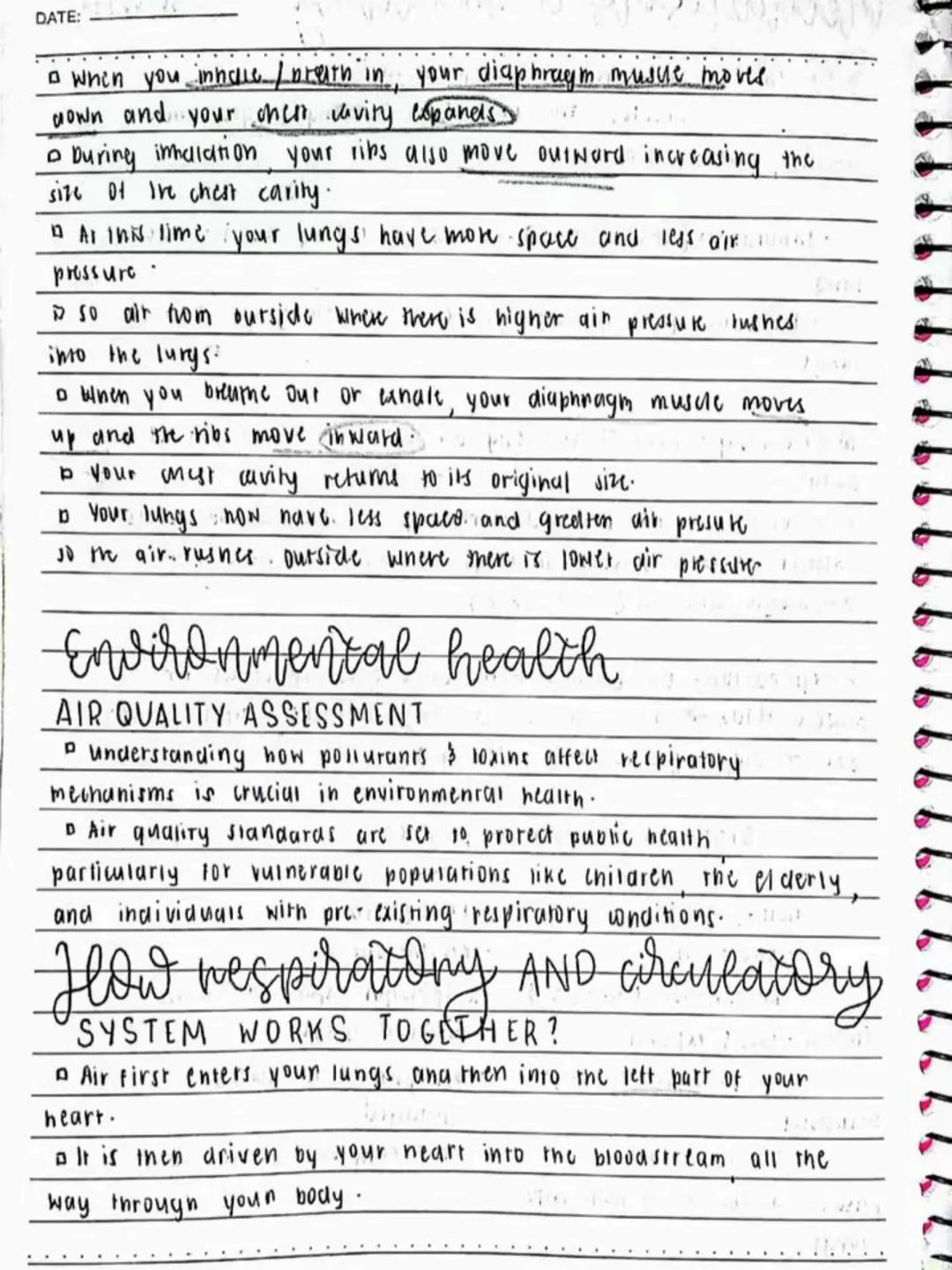
During inspiration, your rib cage expands as rib muscles contract, and your diaphragm moves down. This creates lower pressure in your lungs, so air rushes in to fill the space. During expiration, everything reverses - your diaphragm moves up, rib cage gets smaller, pressure increases, and air gets pushed out.
Think of it like a balloon - when you stretch it (inhalation), air flows in due to pressure differences. When you let it contract (exhalation), air flows out. Your body does this automatically about 20,000 times per day.
Cool Connection: Air quality affects how well this process works, which is why environmental health standards protect people with respiratory conditions.



 Other
Other Araling Panlipunan (AP)
 Practical Research
 DISS
DISS