Introduction to DNA and Molecular Genetics
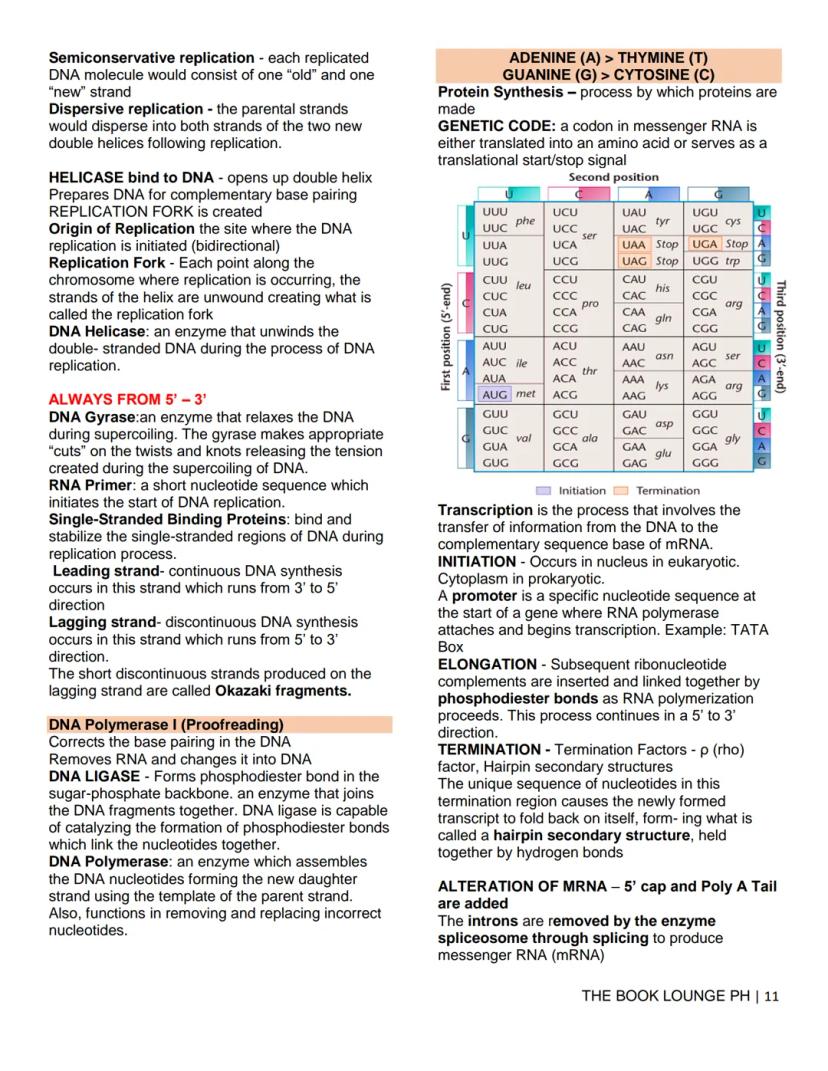
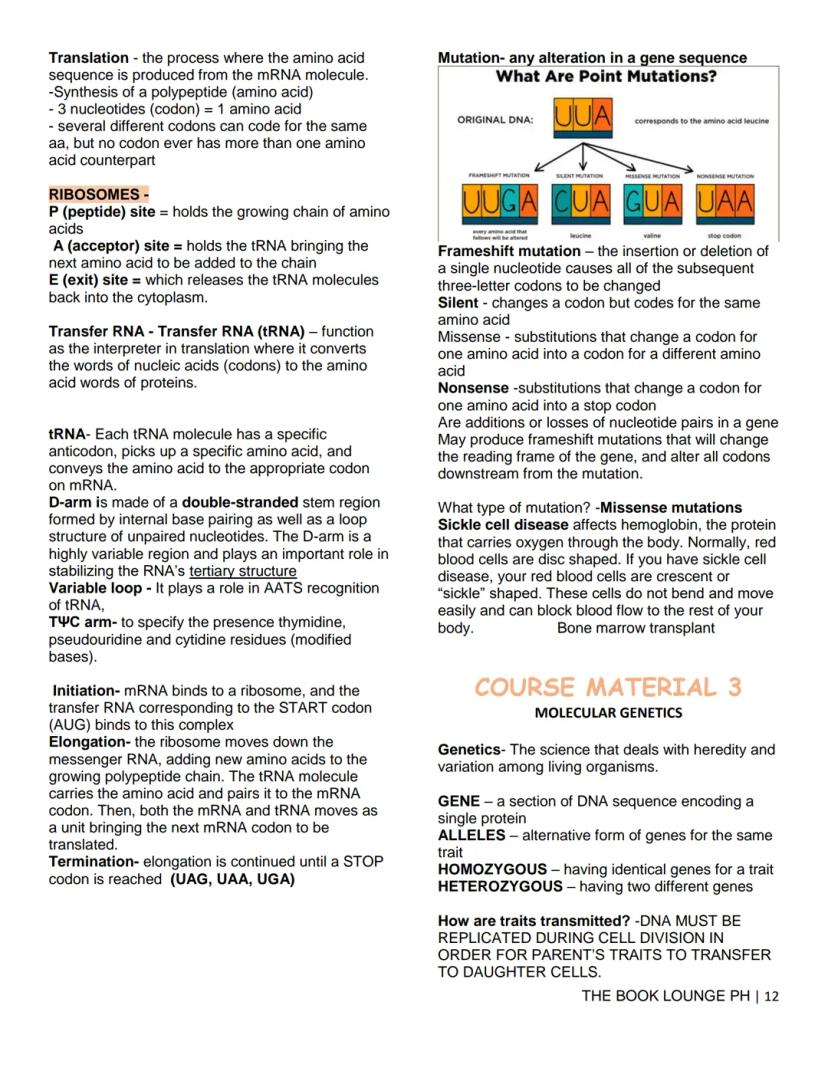
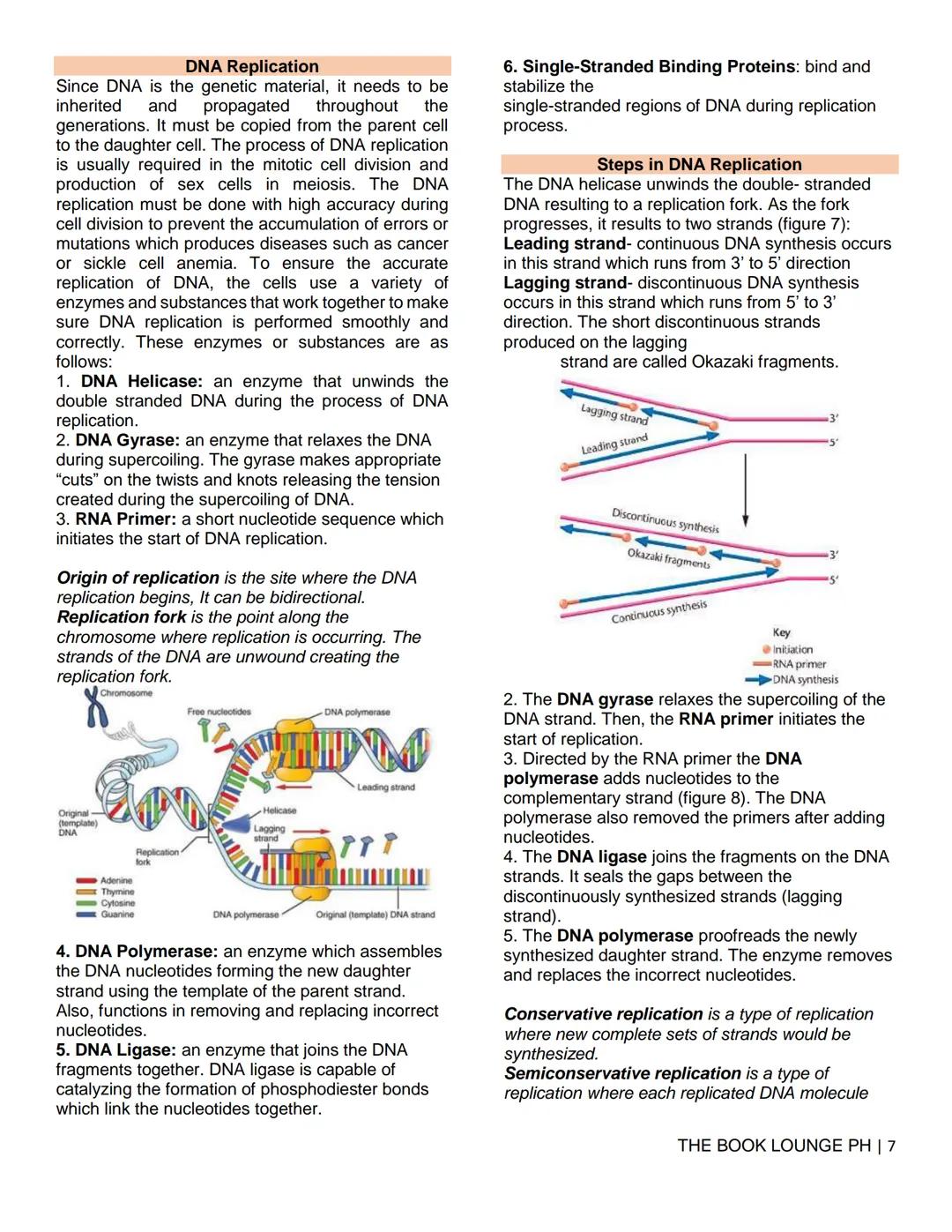
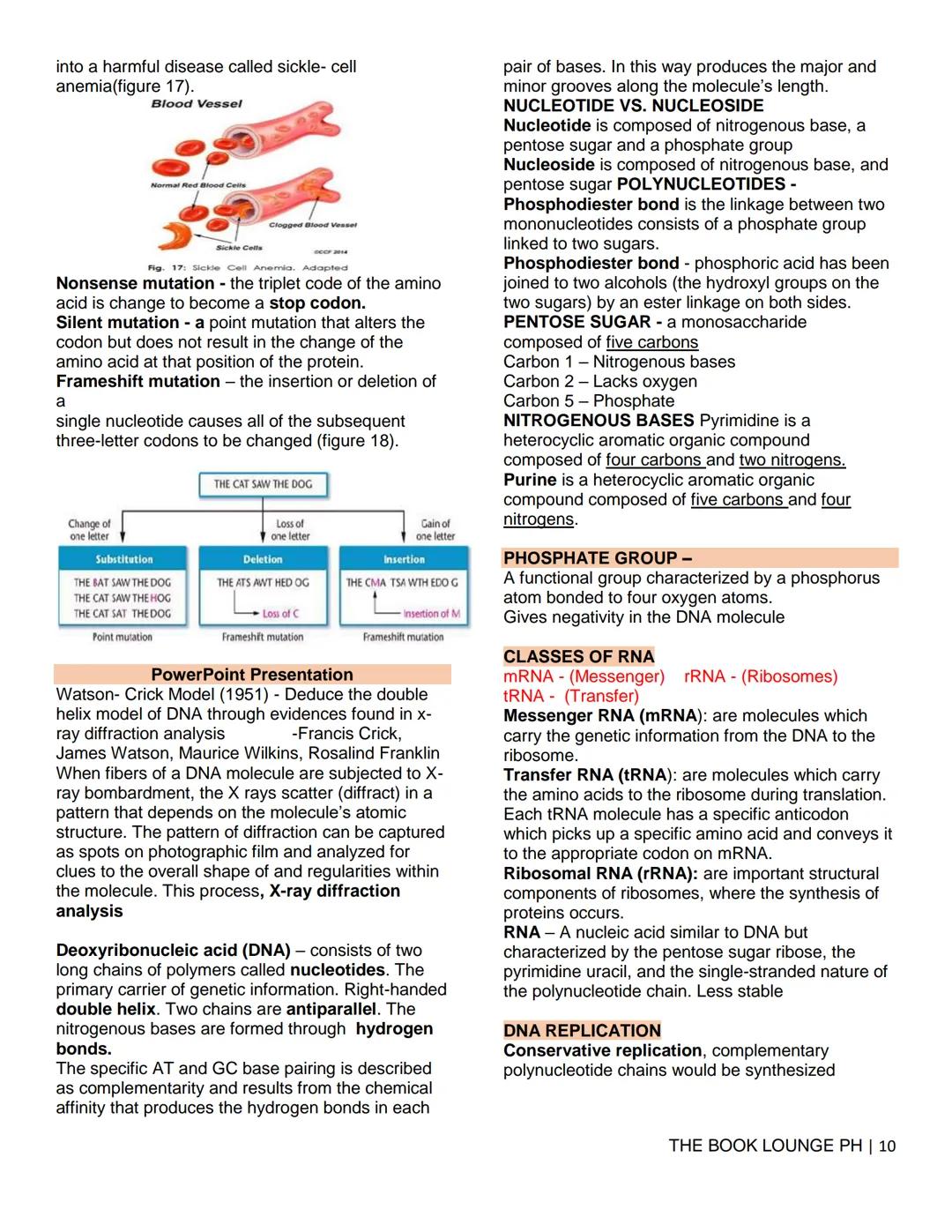
Welcome to the molecular world where DNA runs the show! Deoxyribonucleic acid is literally the instruction manual for life, carrying genetic information in every cell of your body. This amazing molecule can replicate itself, store massive amounts of information, and direct protein synthesis.
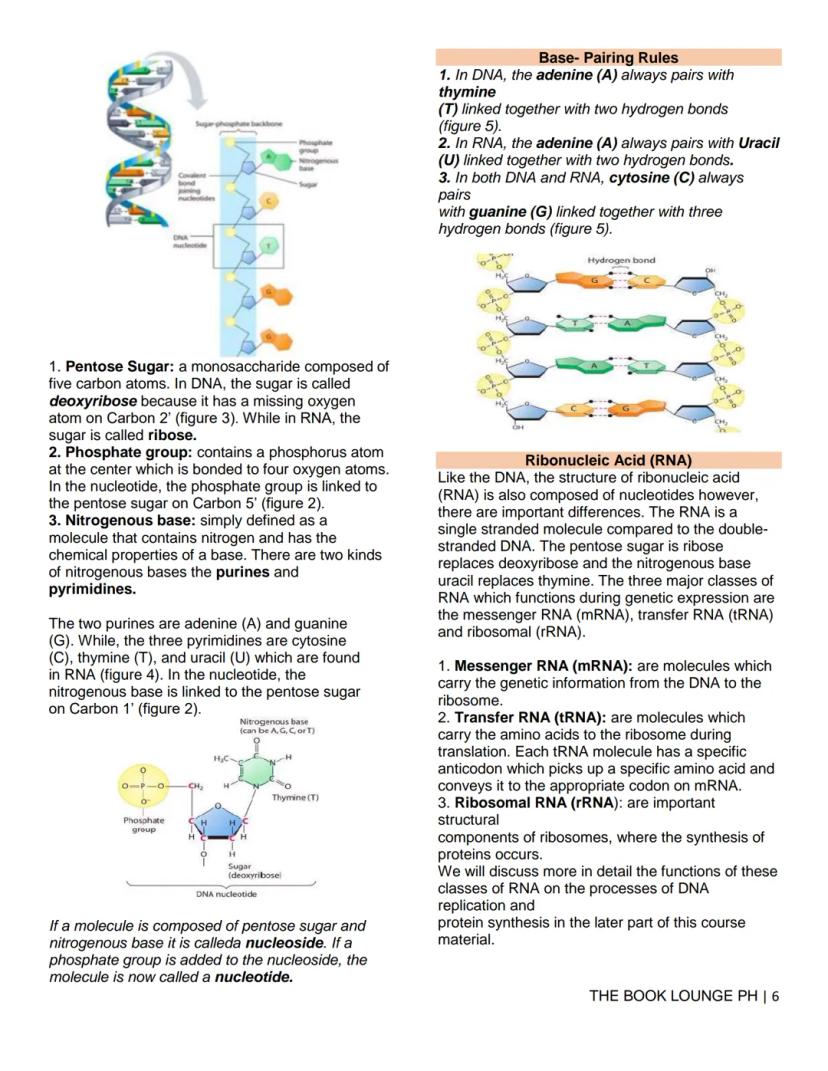
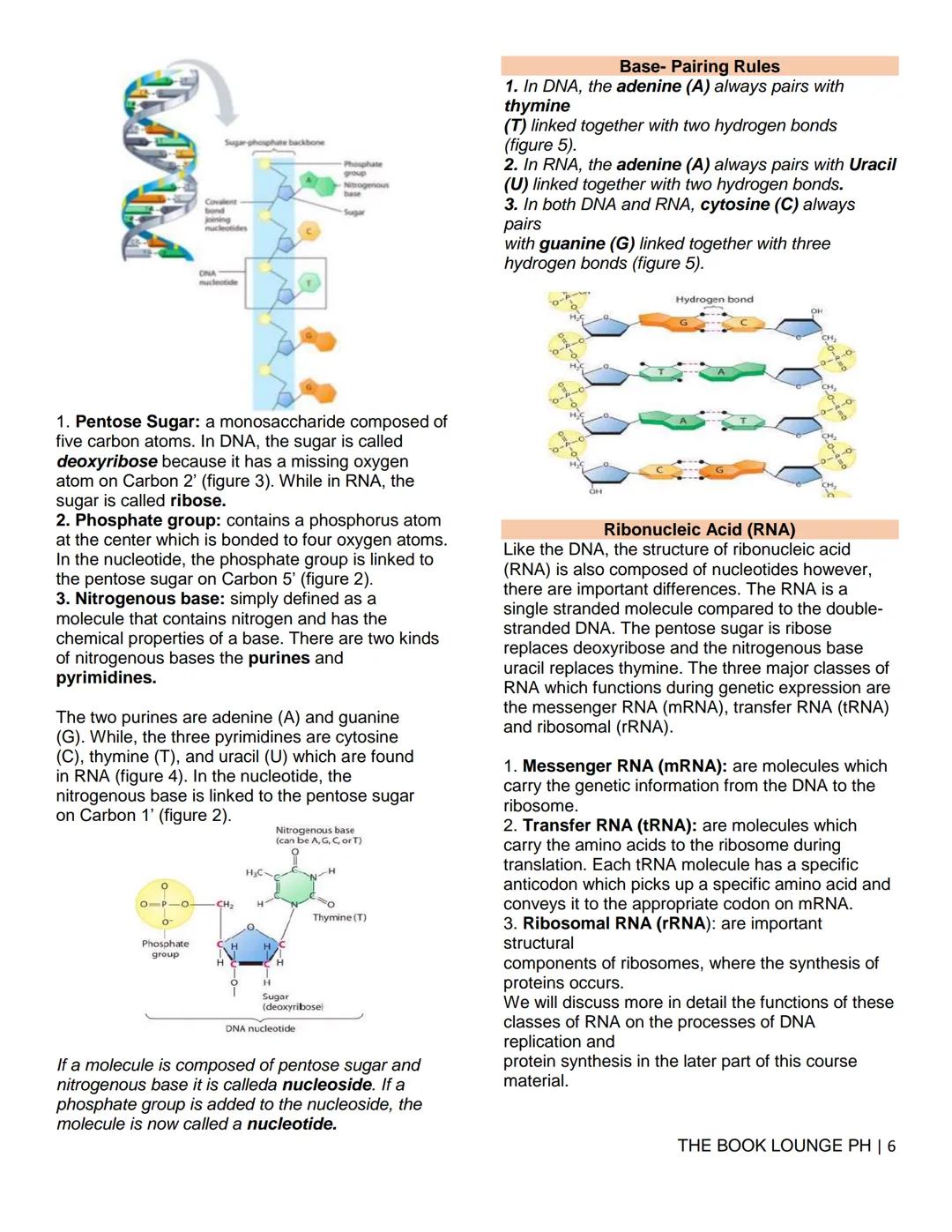
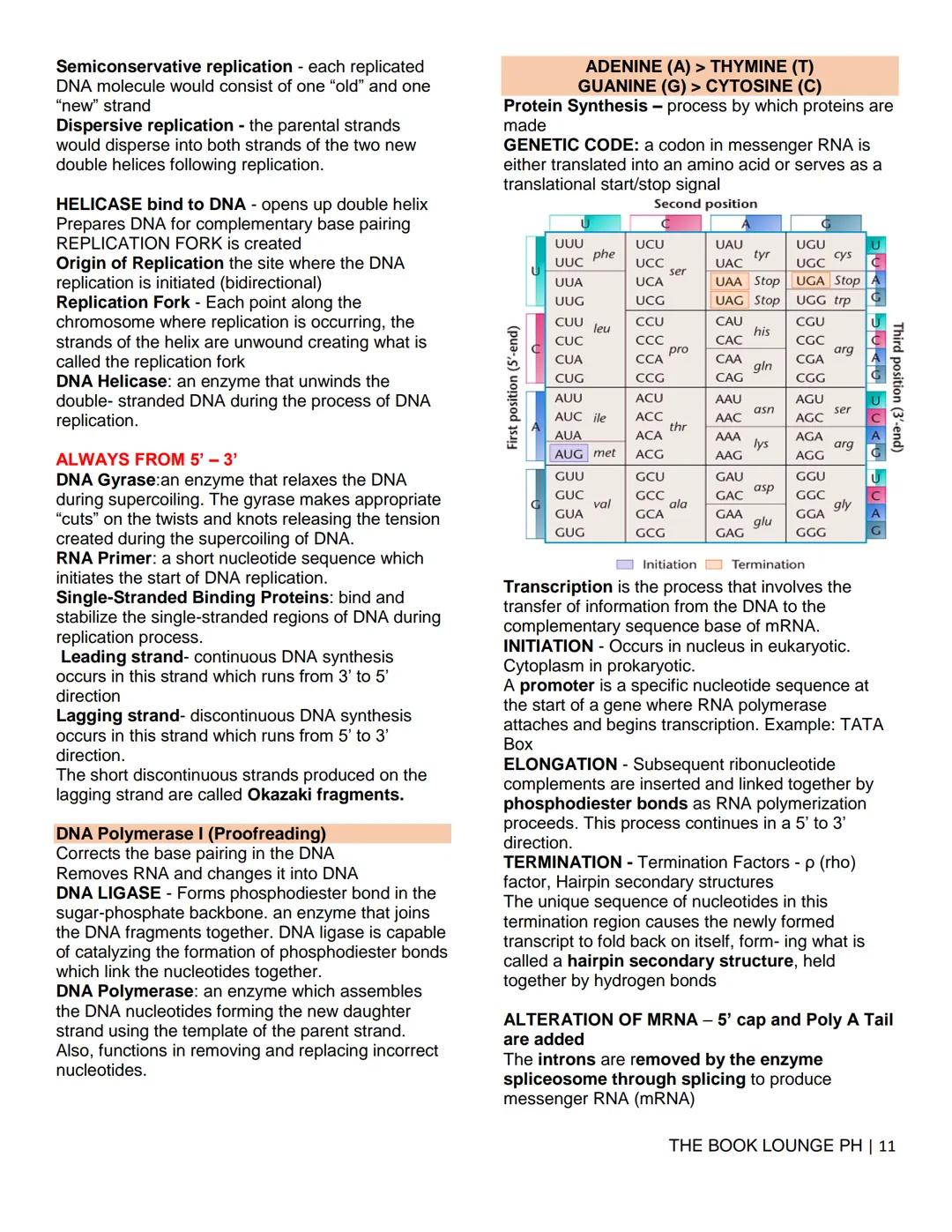
DNA structure is like a twisted ladder where each "rung" consists of paired nitrogenous bases. Each nucleotide has three parts: a phosphate group, deoxyribose sugar, and a nitrogenous base. The bases come in two types - purines (adenine and guanine) and pyrimidines (cytosine, thymine, and uracil).
Base-pairing rules are super important: adenine pairs with thymine A−T using two hydrogen bonds, while cytosine pairs with guanine C−G using three hydrogen bonds. In RNA, uracil replaces thymine, so adenine pairs with uracil instead.
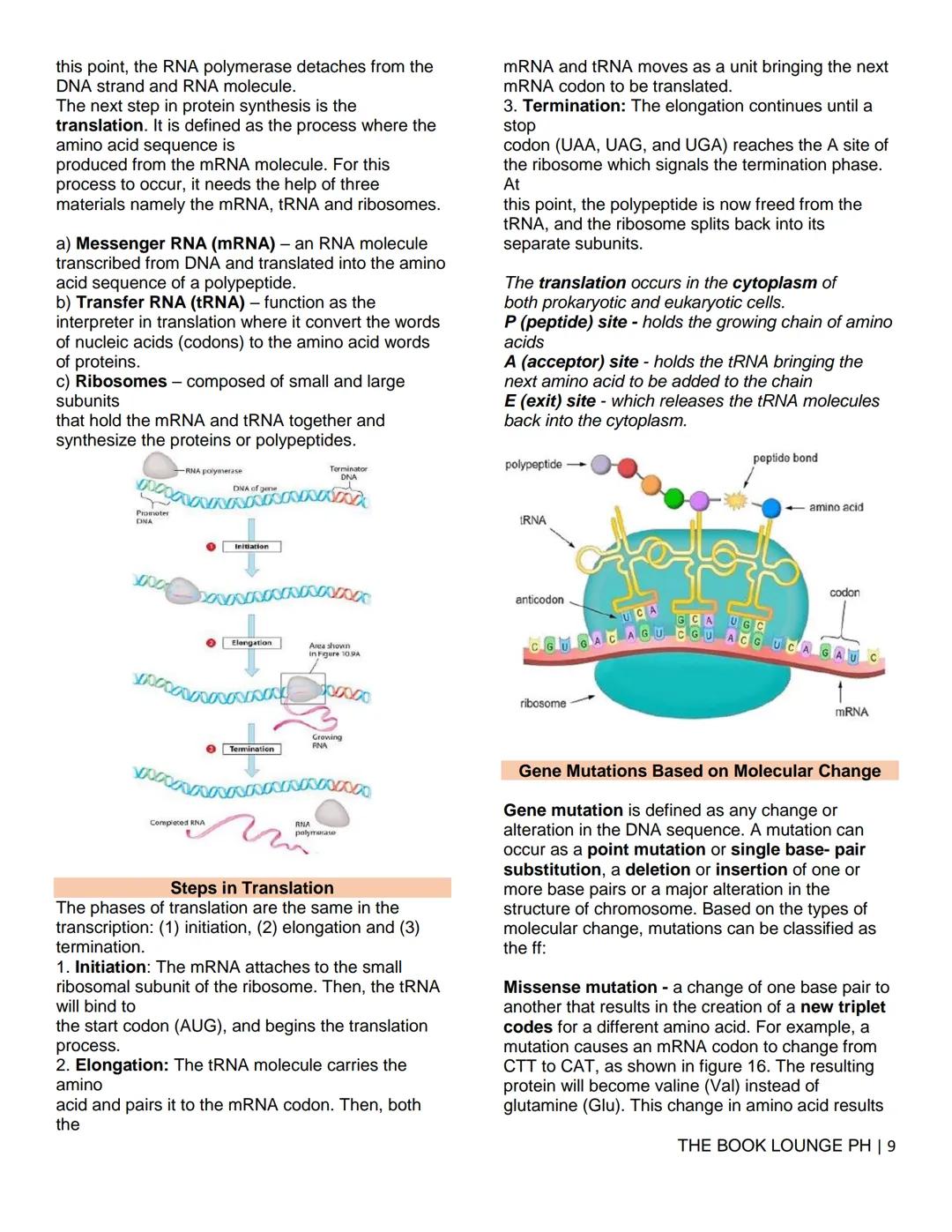
RNA differs from DNA in key ways - it's single-stranded, uses ribose sugar instead of deoxyribose, and has uracil instead of thymine. The three main types are mRNA (messenger), tRNA (transfer), and rRNA (ribosomal), each with specific jobs in protein synthesis.
Fun Fact: If you stretched out all the DNA in one human cell, it would be about 2 meters long - that's a lot of genetic information packed into something microscopic!











 Econ
Econ GenChem
 GenBio
 Other
Other Araling Panlipunan (AP)
 Practical Research
 DISS
DISS