
Ever wonder how different cultures shaped Filipino literature? From ancient... Ipakita pa
 Iba pa
 Practical Research
 Pre-Cal
 Filipino
 Science
 Econ
EconMag-sign up para makita ang contentLibre ito!
Access sa lahat ng dokumento
Pagbutihin ang iyong mga grado
Sumali sa milyong mga estudyante
Knowunity AI
Higit pa
Mga Asignatura
Triangle Congruence and Similarity Theorems
Triangle Properties and Classification
Linear Equations and Graphs
Geometric Angle Relationships
Trigonometric Functions and Identities
Equation Solving Techniques
Circle Geometry Fundamentals
Division Operations and Methods
Basic Differentiation Rules
Exponent and Logarithm Properties
Ipakita lahat ng paksa
Human Organ Systems
Reproductive Cell Cycles
Biological Sciences Subdisciplines
Cellular Energy Metabolism
Autotrophic Energy Processes
Inheritance Patterns and Principles
Biomolecular Structure and Organization
Cell Cycle and Division Mechanics
Cellular Organization and Development
Biological Structural Organization
Ipakita lahat ng paksa
Chemical Sciences and Applications
Atomic Structure and Composition
Molecular Electron Structure Representation
Atomic Electron Behavior
Matter Properties and Water
Mole Concept and Calculations
Gas Laws and Behavior
Periodic Table Organization
Chemical Thermodynamics Fundamentals
Chemical Bond Types and Properties
Ipakita lahat ng paksa
European Renaissance and Enlightenment
European Cultural Movements 800-1920
American Revolution Era 1763-1797
American Civil War 1861-1865
Global Imperial Systems
Mongol and Chinese Dynasties
U.S. Presidents and World Leaders
Historical Sources and Documentation
World Wars Era and Impact
World Religious Systems
Ipakita lahat ng paksa
Classic and Contemporary Novels
Literary Character Analysis
Rhetorical Theory and Practice
Classic Literary Narratives
Reading Analysis and Interpretation
Narrative Structure and Techniques
English Language Components
Influential English-Language Authors
Basic Sentence Structure
Narrative Voice and Perspective
Ipakita lahat ng paksa
469
•
Na-update Mar 22, 2026
•
Gojo
@satorufux
Ever wonder how different cultures shaped Filipino literature? From ancient... Ipakita pa
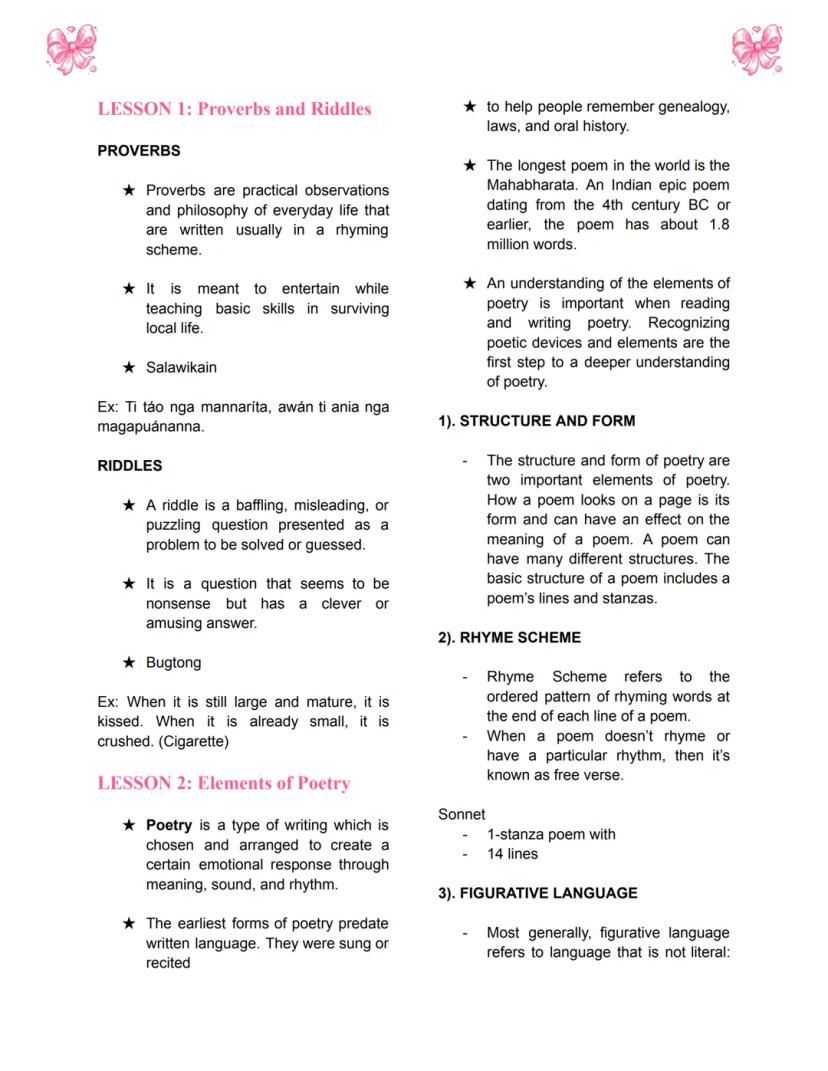
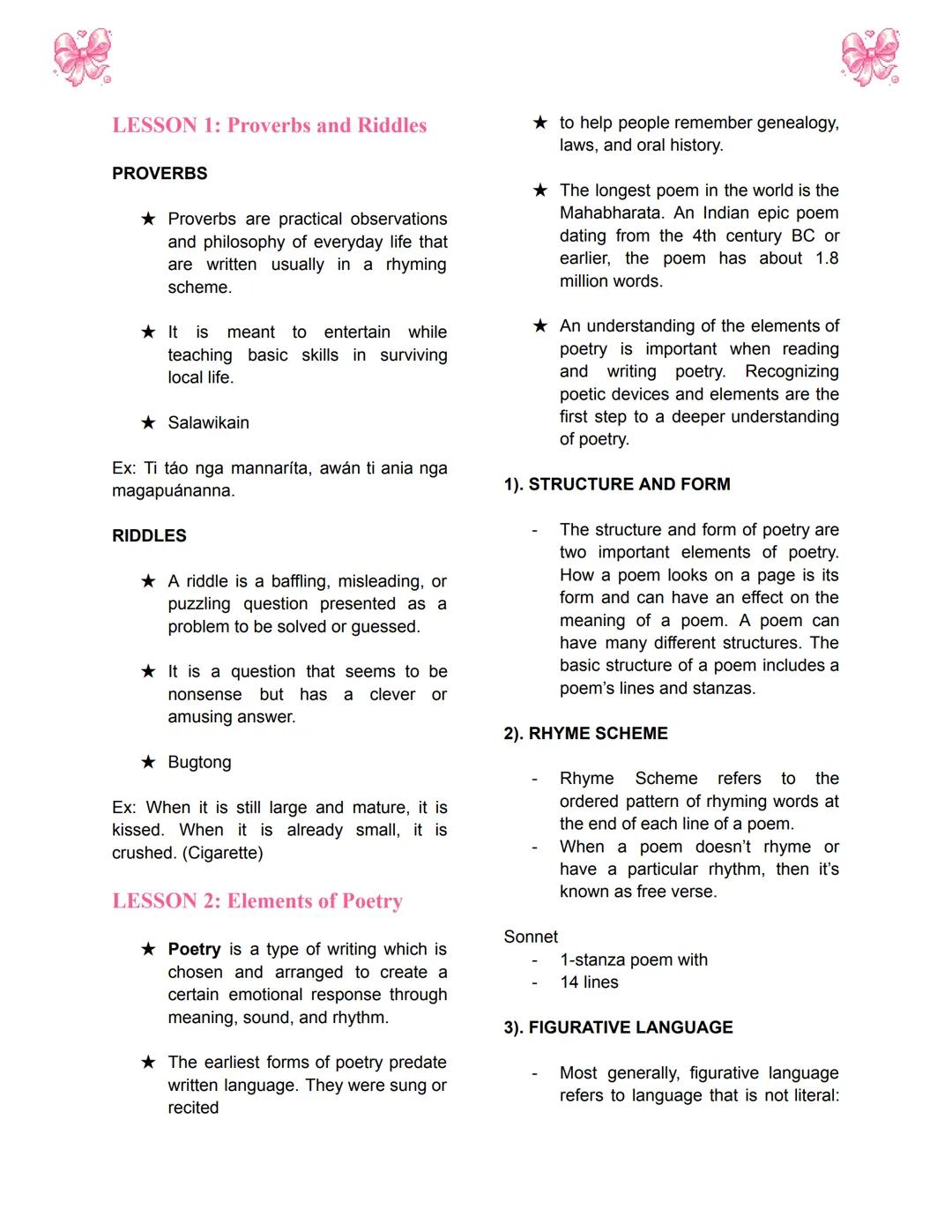
Think of salawikain as your lolo's way of dropping wisdom bombs! These proverbs are basically life hacks wrapped in rhyming verses that teach you how to survive everyday situations while keeping you entertained.
Bugtong (riddles) are like brain teasers your tita would throw at you during family gatherings. They sound completely nonsensical at first, but once you get the answer, you'll be smacking your forehead going "Ay, obvious naman pala!"
Pro tip: These traditional forms are still relevant today - they're basically the original memes that went viral before social media existed!
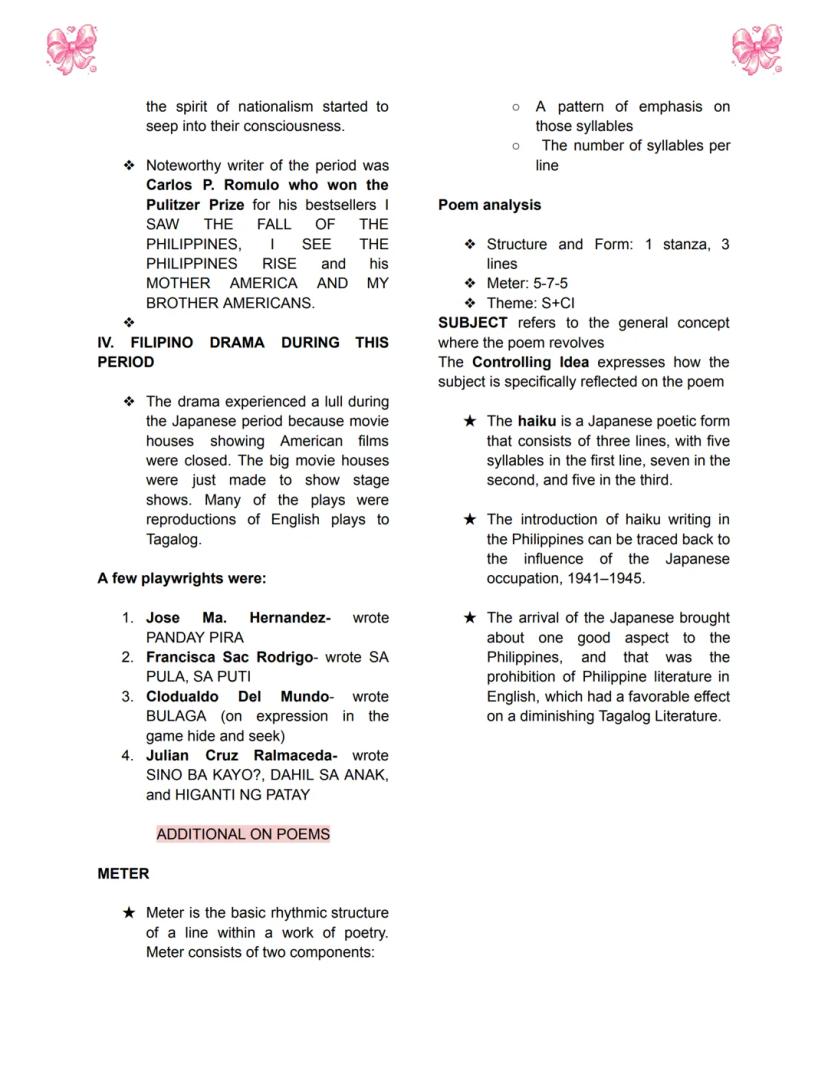
Poetry isn't just flowery words thrown together randomly. It's actually a strategic art form designed to hit you right in the feels through carefully chosen words, sounds, and rhythms. The coolest part? Poetry existed way before people could even write!
The key elements you should master are structure and form (how it looks on paper), rhyme scheme (the pattern of rhyming words), figurative language (comparisons that aren't literal), and theme (the deeper message). A sonnet, for example, is like the McDonald's of poetry - it has a standard format of 14 lines in one stanza that everyone recognizes.
Understanding these elements is like having a cheat code for analyzing any poem. Once you spot these patterns, you'll start seeing poetry everywhere - even in song lyrics and social media captions!
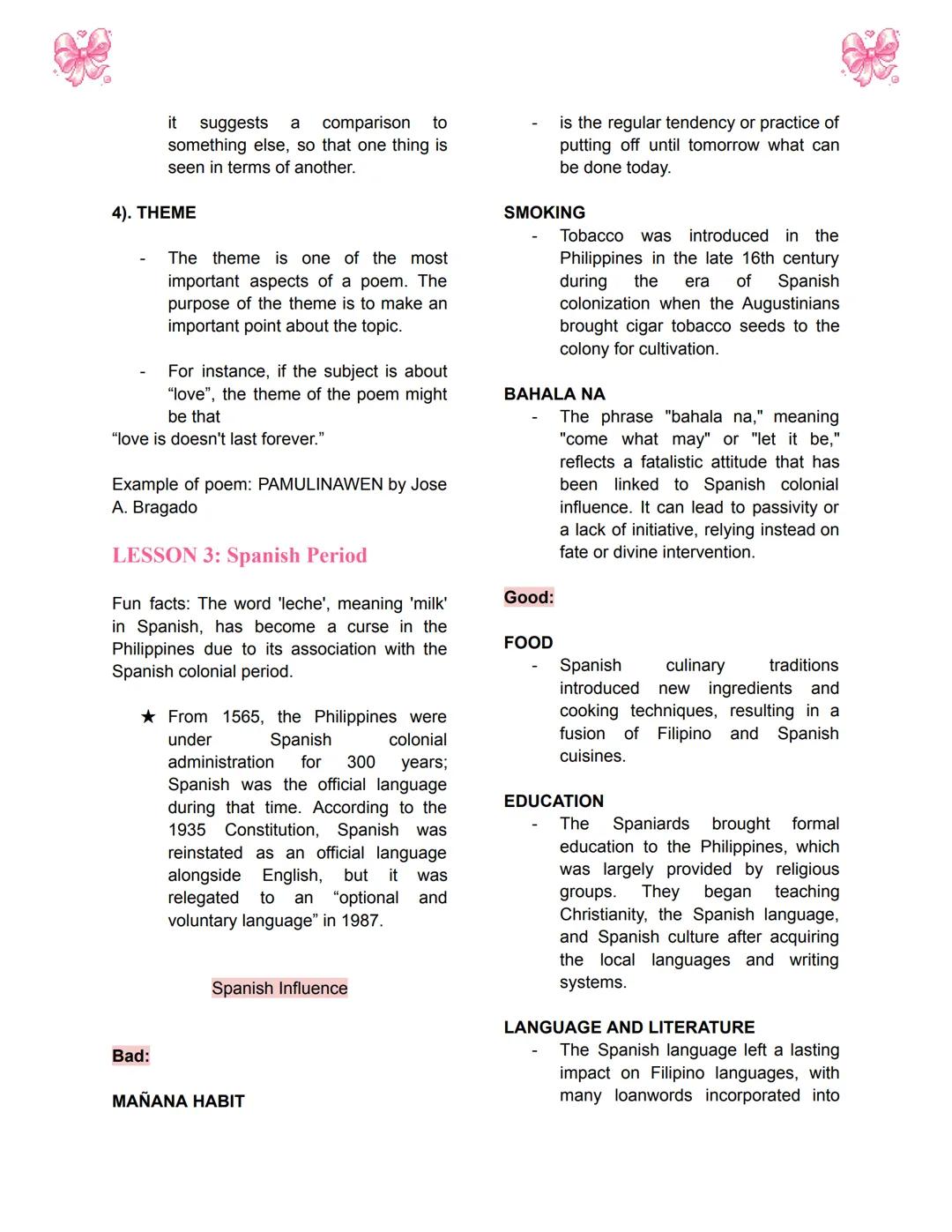
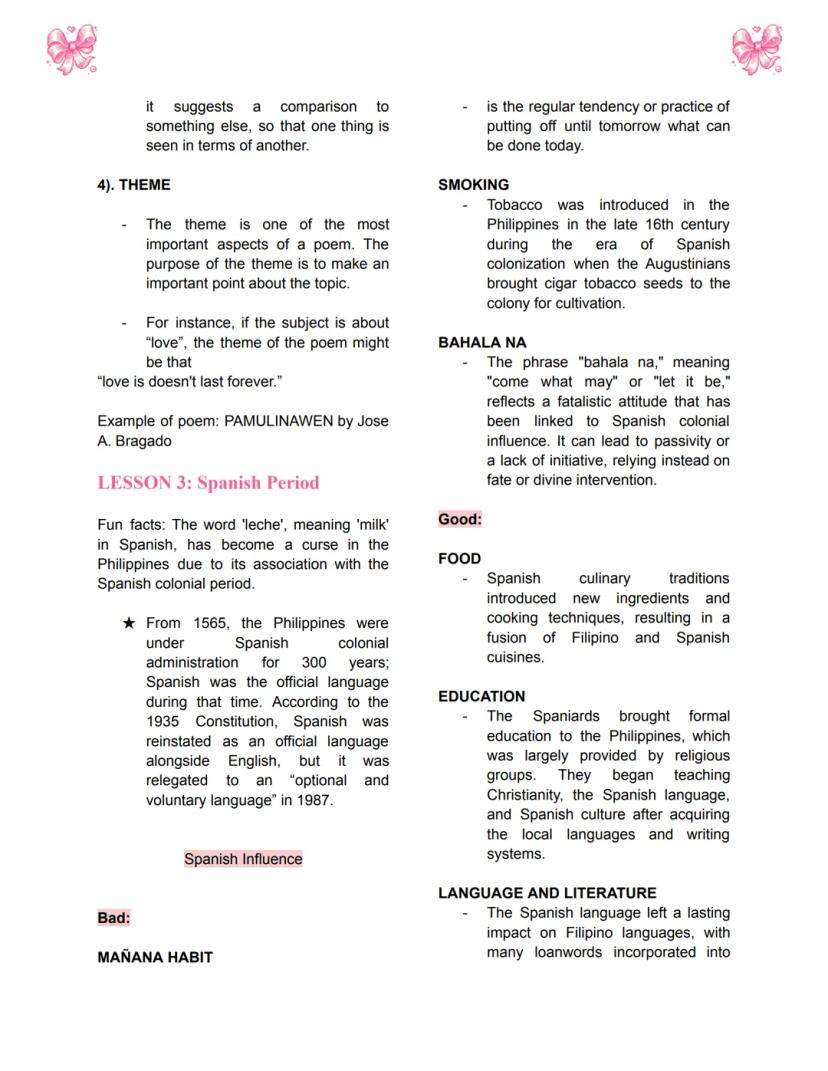
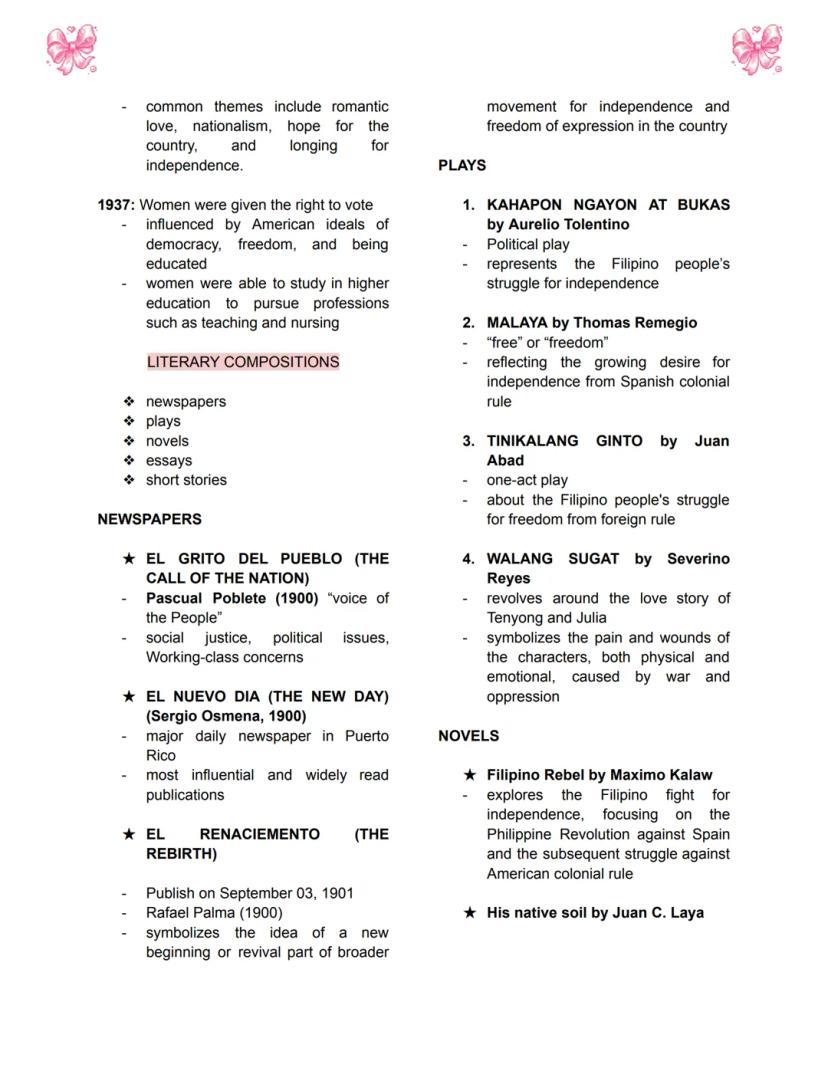
Picture this: for 300 years (1565-1898), Spanish was the official language of the Philippines. That's longer than America has existed as a country! This massive cultural takeover left permanent marks on how we think, speak, and write today.
The Spanish brought us some questionable habits like the mañana habit (procrastination culture) and "bahala na" (the fatalistic "whatever happens, happens" mindset). But they also gave us incredible gifts: formal education, amazing fusion cuisine, and a rich tradition of written literature.
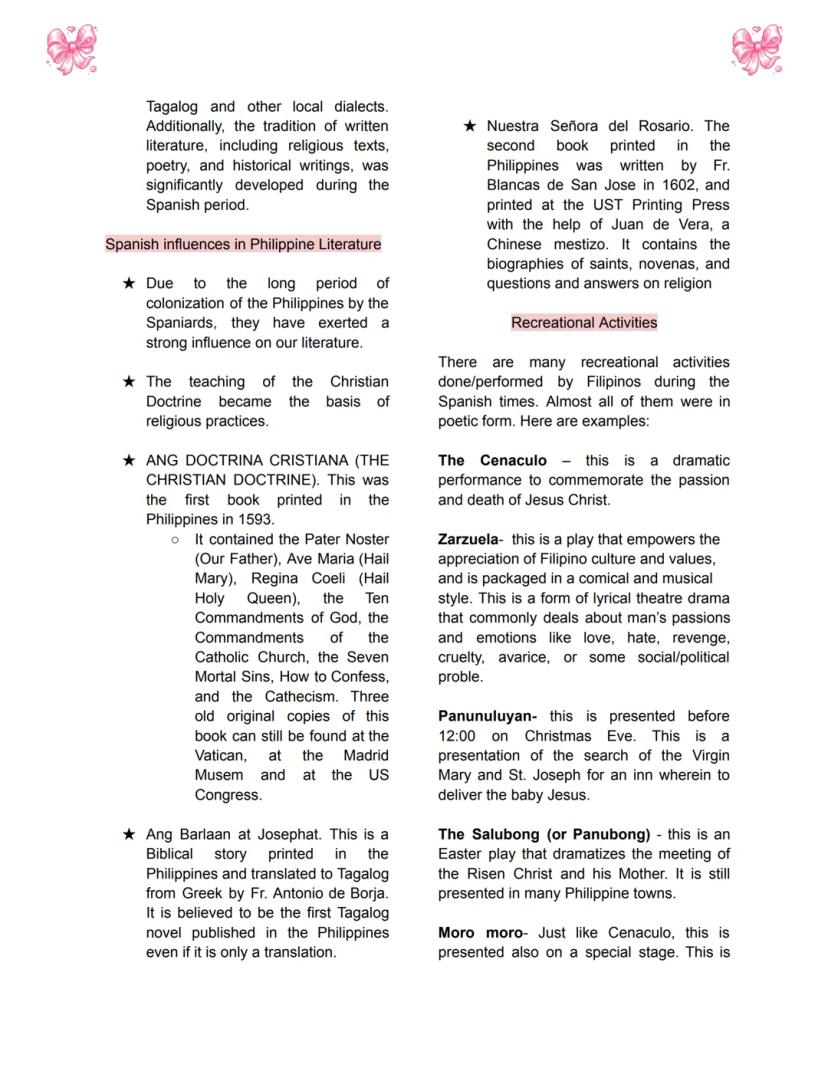
Ang Doctrina Cristiana became the first book ever printed in the Philippines in 1593. Think of it as the original Filipino bestseller! It contained all the basic Catholic prayers and teachings that became the foundation of Filipino religious practices.
Fun fact: The word "leche" (milk in Spanish) became a Filipino curse word because of our complicated relationship with Spanish colonization!
The Spanish period was like the golden age of Filipino theater and performance! Cenaculo dramatized Christ's passion, while Zarzuela was basically the original Filipino musical comedy that tackled love, politics, and social issues with catchy songs.
Balagtasan deserves special recognition as the Filipino rap battle of its time - poets would debate in verse, showing off their wordplay skills. Meanwhile, Moro-moro plays reinforced Christian values by always having the Christian heroes defeat the Muslim characters, reflecting the religious tensions of that era.
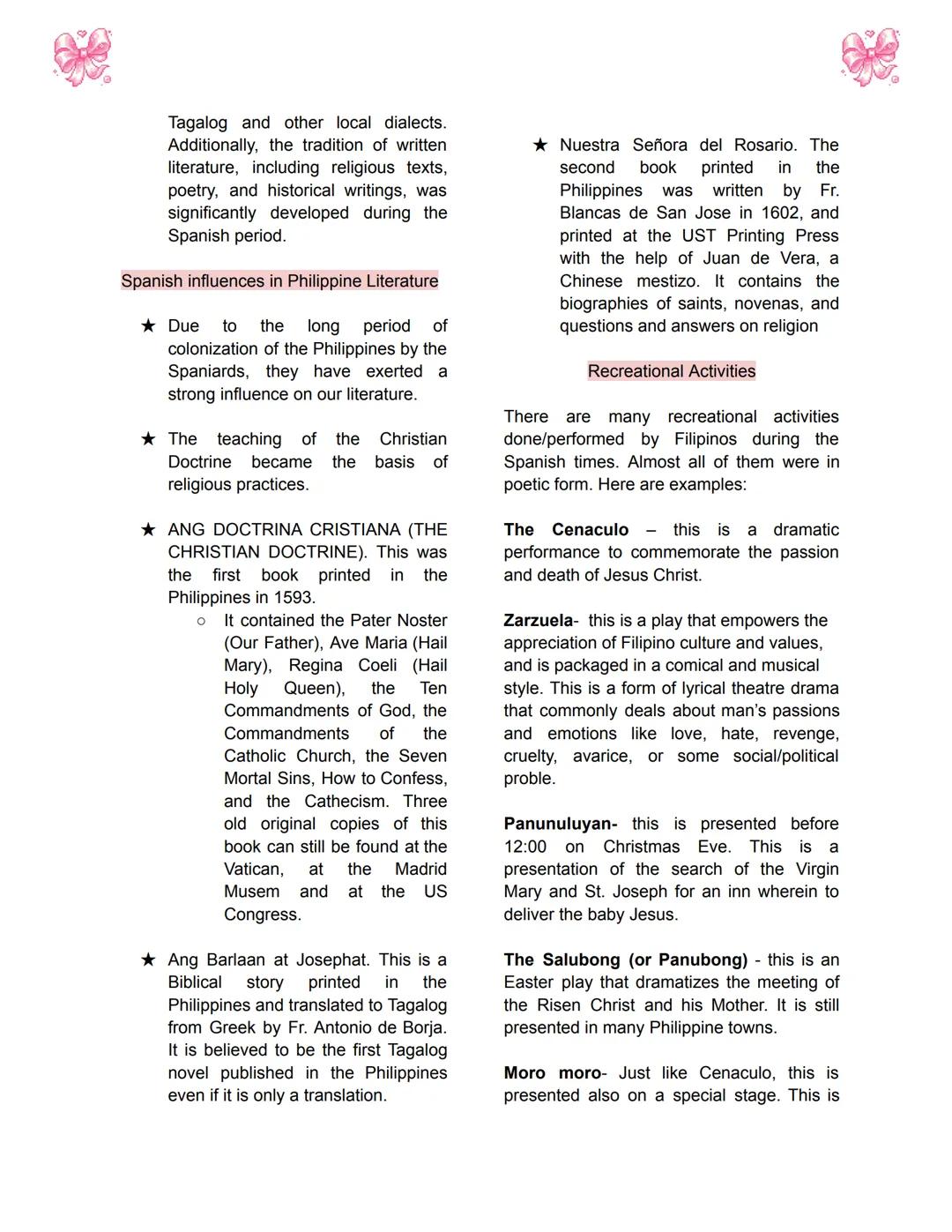
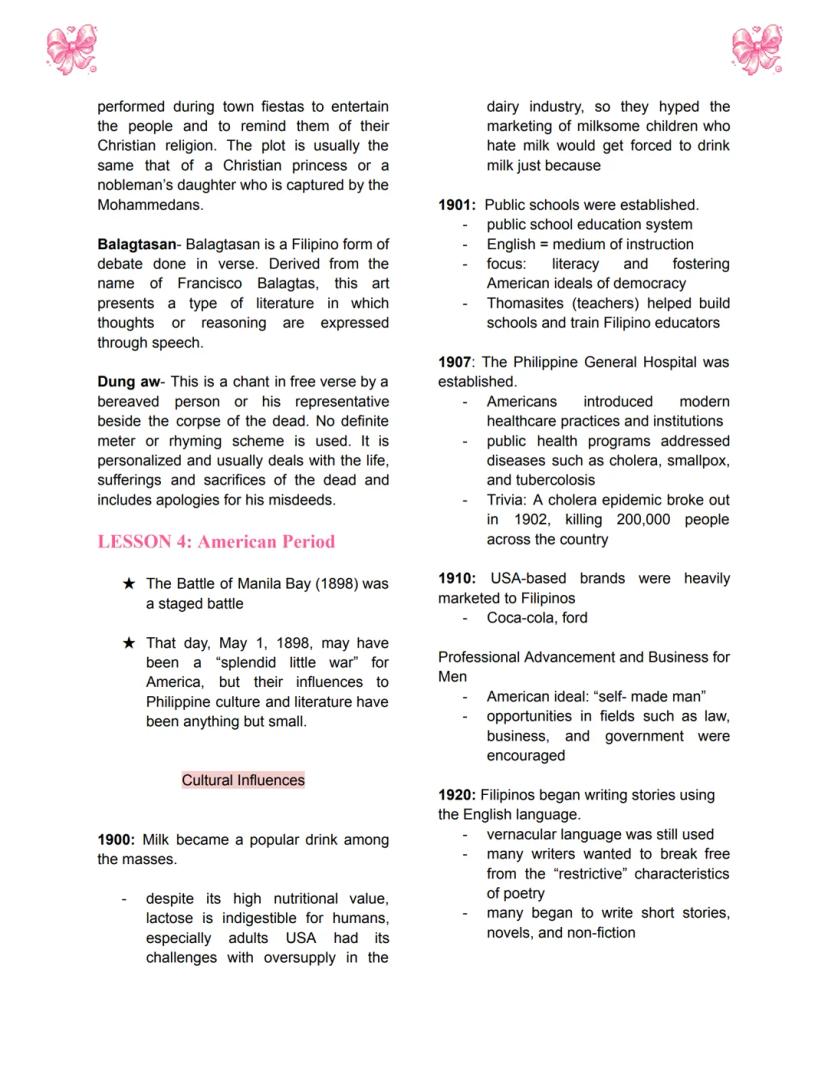
When America took over in 1898, they didn't just change our government - they completely transformed Filipino culture and literature. The Battle of Manila Bay might have been a "splendid little war" for Americans, but its effects on Philippine literature were massive.
By 1901, public schools were established with English as the medium of instruction. American teachers called Thomasites came over to build schools and train Filipino educators. This wasn't just about education - it was about spreading American ideals of democracy and individualism.
The 1920s marked a literary revolution when Filipinos started writing stories in English instead of just poetry. Writers wanted to break free from traditional restrictions and explore new themes like romantic love, nationalism, and the dream of independence.
Cultural shift alert: By 1937, women gained the right to vote, influenced by American democratic ideals. This opened doors for women in higher education and professions like teaching and nursing.
Filipino writers during this time created newspapers like El Grito del Pueblo (voice of the working class) and El Renacimiento (symbolizing rebirth and independence). These weren't just news sources - they were platforms for political resistance and social change.
Plays like "Walang Sugat" by Severino Reyes used love stories to symbolize the pain of war and oppression. Novels like "His Native Soil" explored what happened when Filipinos returned home after studying in America - a theme that's still relevant for OFWs today.
Short stories became the preferred medium for many writers. Salvador P. Lopez argued that literature shouldn't just be pretty - it should be a tool for social change and reform, encouraging writers to engage with real social problems.
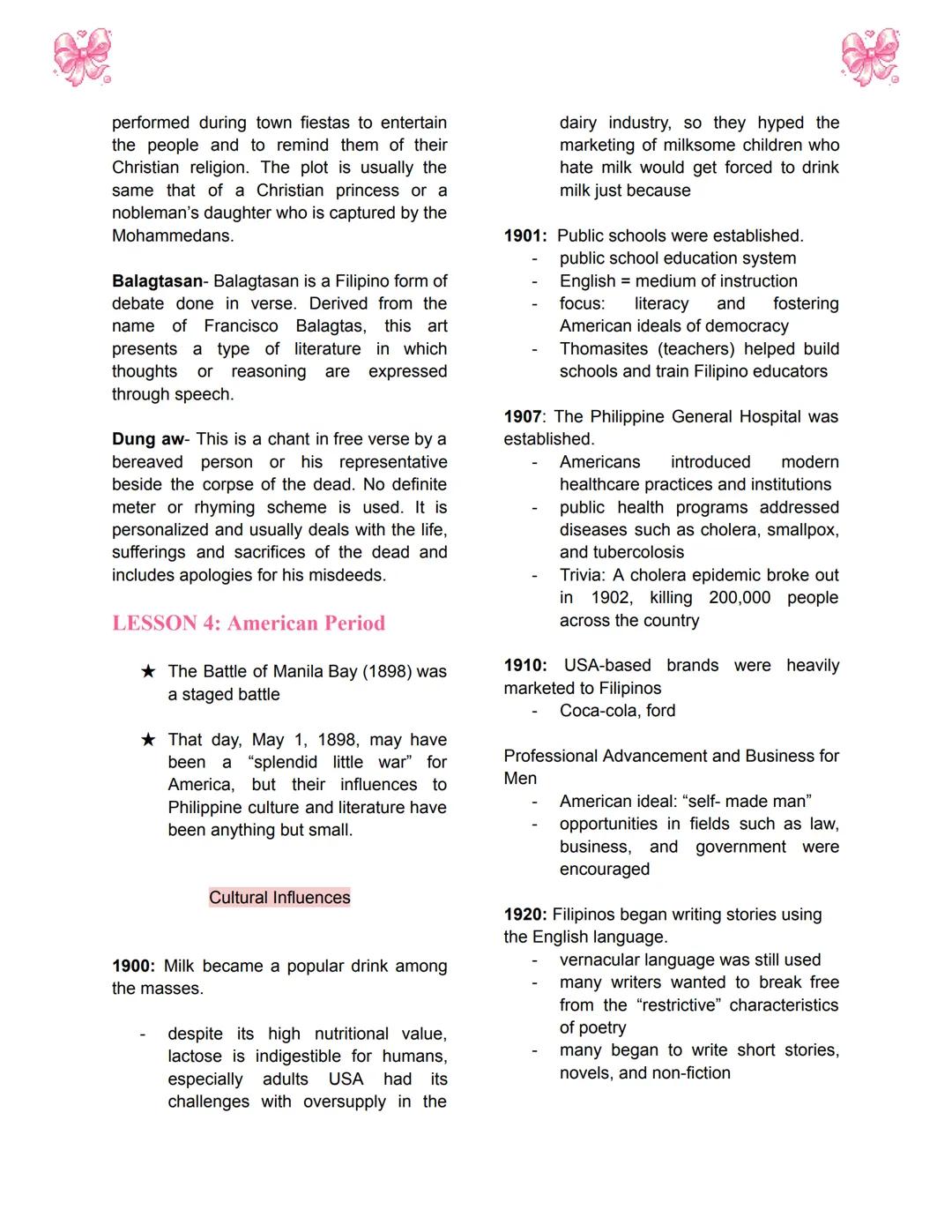
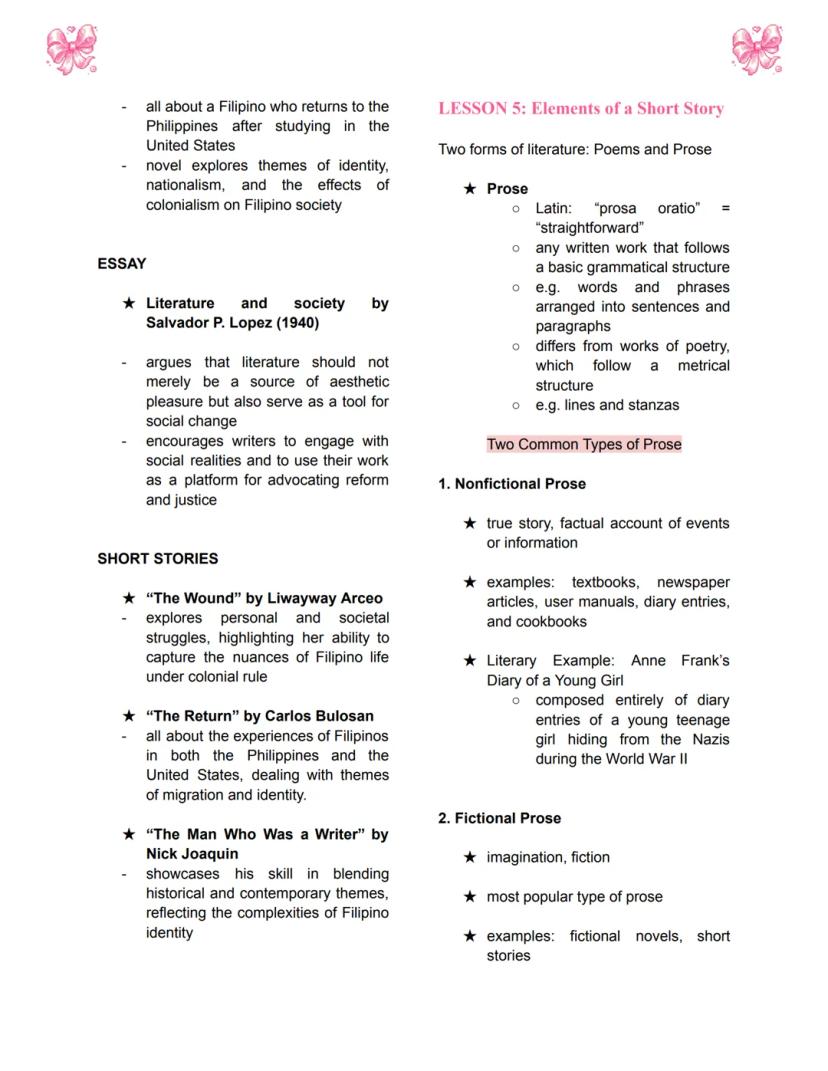
Understanding prose is like learning the difference between a formal essay and a text message. Prose follows basic grammar rules with sentences and paragraphs, unlike poetry with its lines and stanzas. It comes in two flavors: nonfictional prose (true stories like textbooks and diaries) and fictional prose .
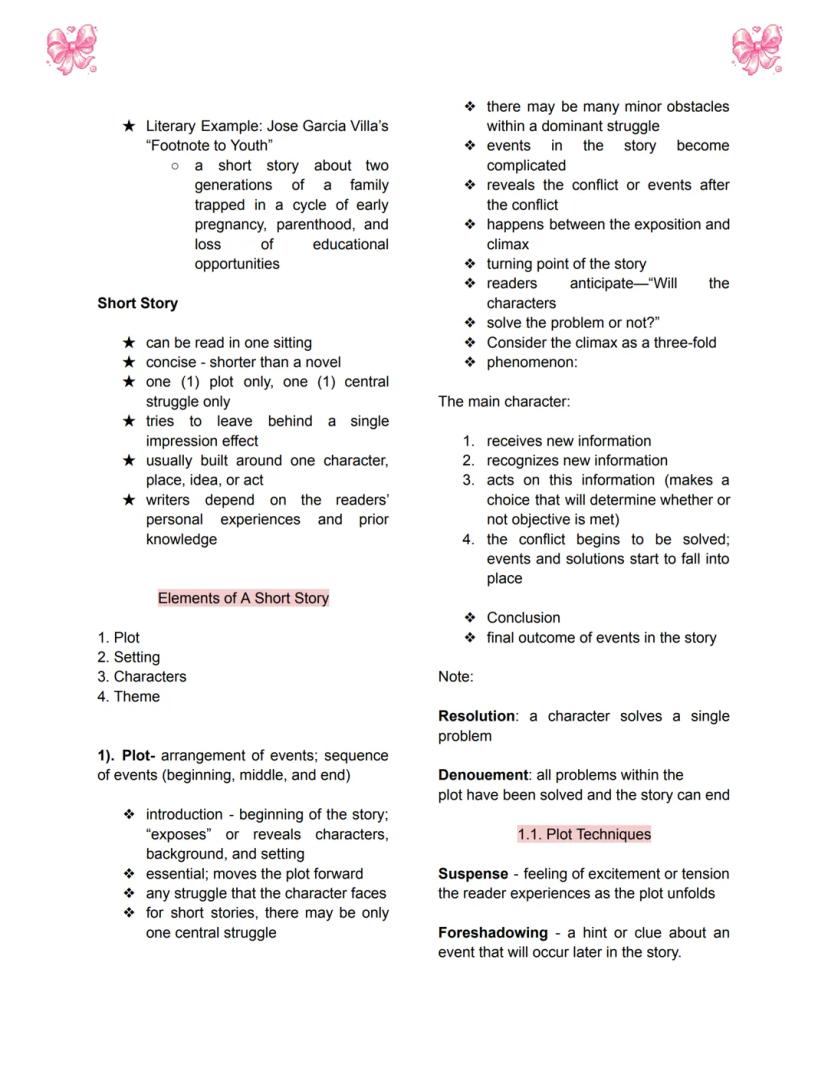
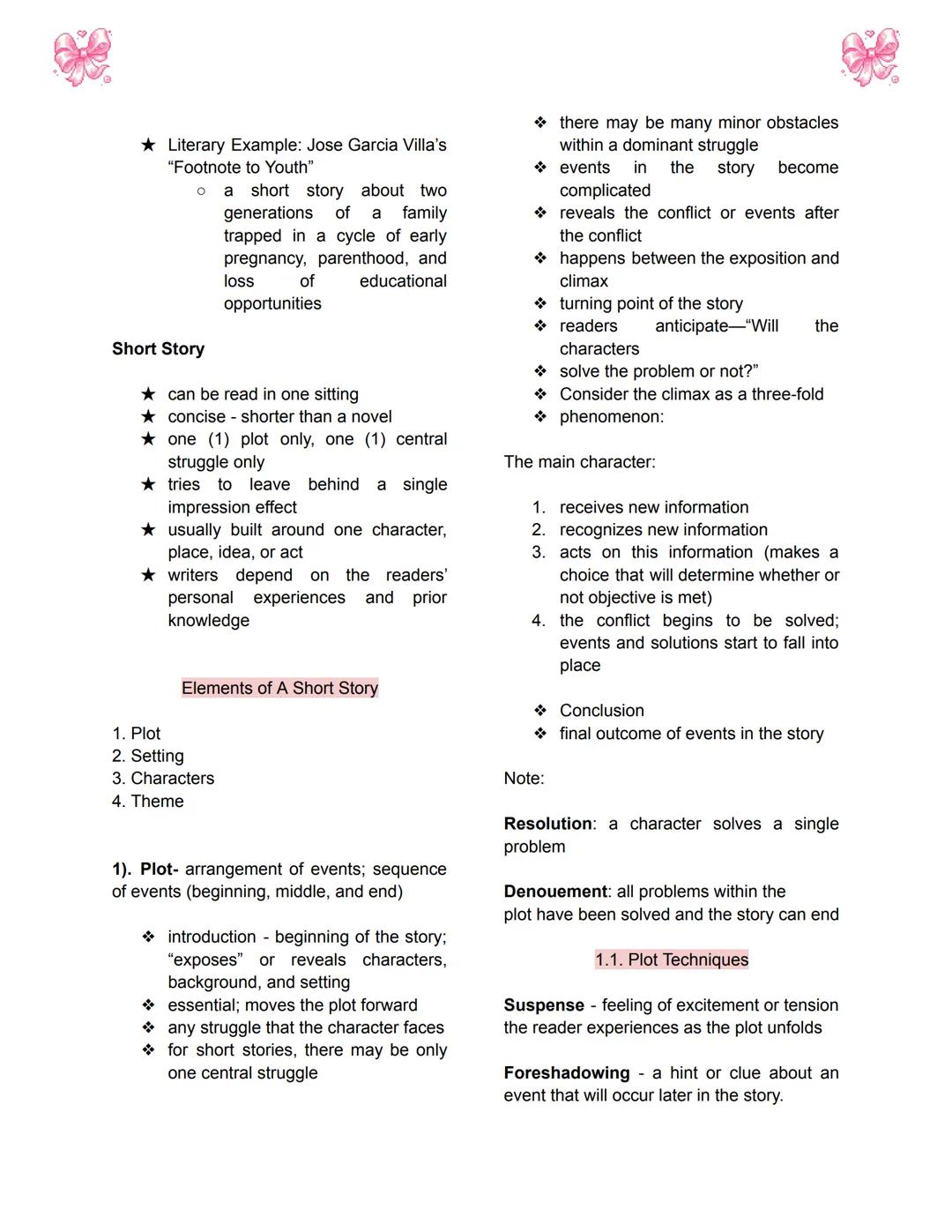
Short stories are designed to be consumed in one sitting - think of them as the literary equivalent of a Netflix episode. They focus on one plot, one central struggle, and try to leave you with a single powerful impression.
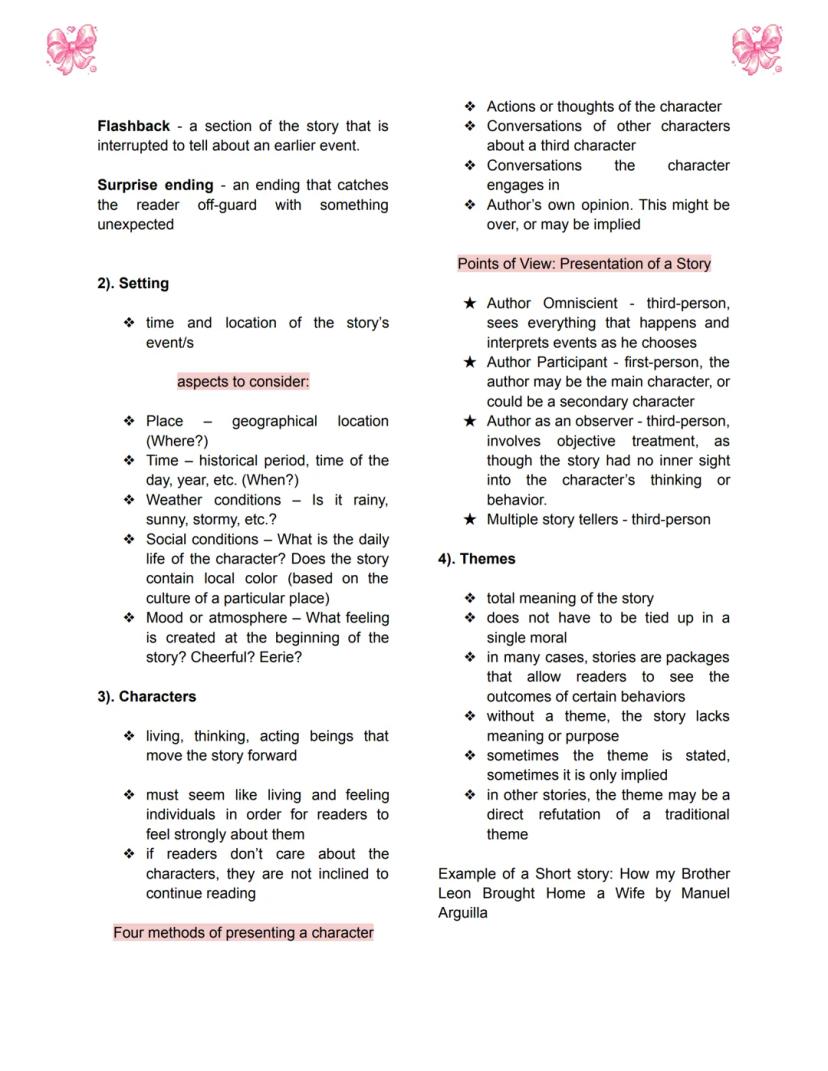
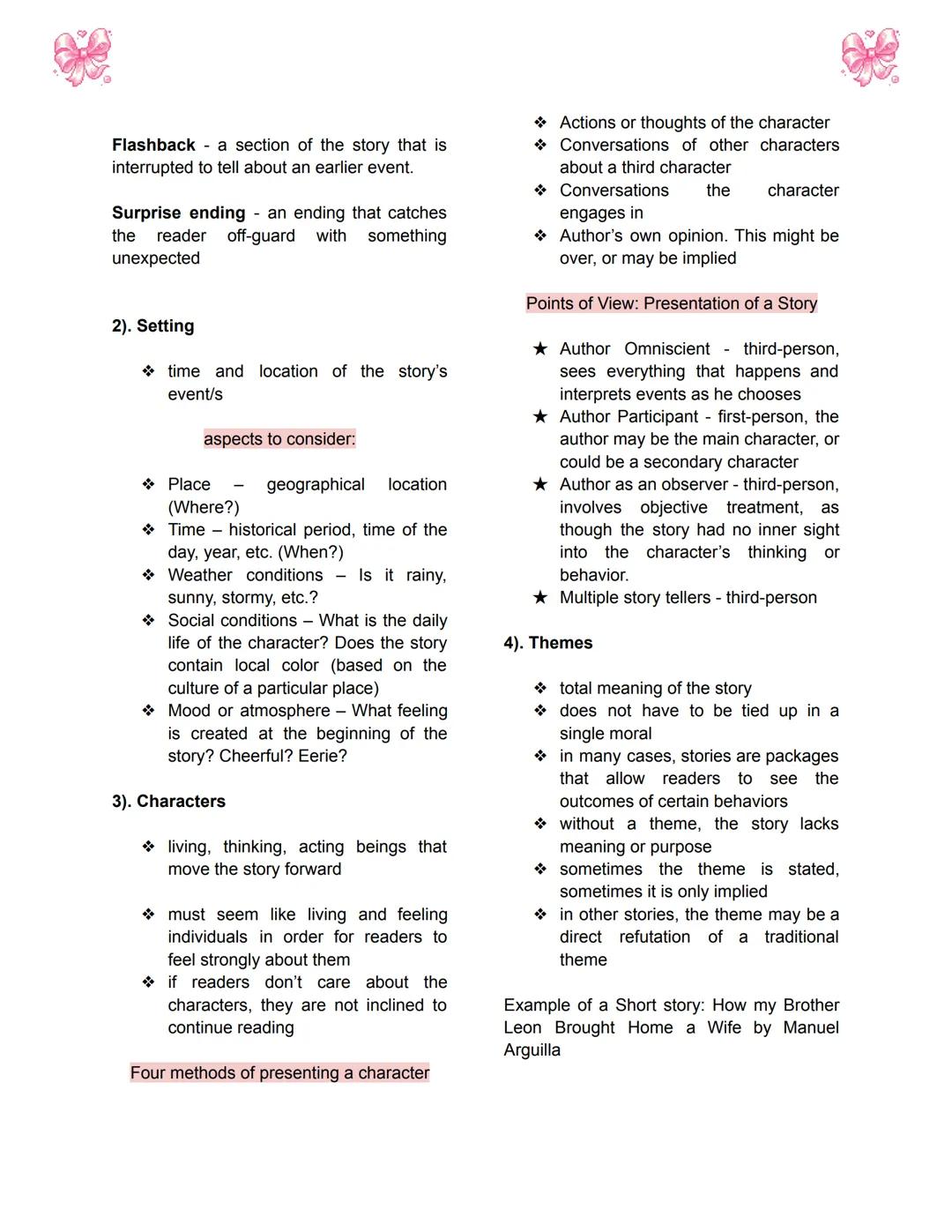
The four essential elements you need to master are plot (sequence of events), setting (time and place), characters (the people driving the story), and theme (the deeper meaning). These work together like ingredients in a recipe - mess up one, and the whole story falls apart.
Success tip: Writers depend on your personal experiences to fill in gaps, so the more life experiences you have, the better you'll understand and analyze stories!
Think of plot as a rollercoaster ride with predictable stages. The exposition introduces characters and setting (like boarding the ride), rising action builds tension with conflicts and complications (the slow climb up), and the climax is the turning point where everything changes (the big drop).
Falling action shows how conflicts start resolving (coasting down), while the conclusion wraps everything up (getting off the ride). Writers use techniques like suspense (keeping you on edge), foreshadowing (dropping hints), and flashbacks (showing earlier events) to make the ride more exciting.
The climax is crucial because it's when the main character receives new information, recognizes its importance, and acts on it. This decision determines whether they achieve their goal or fail miserably.
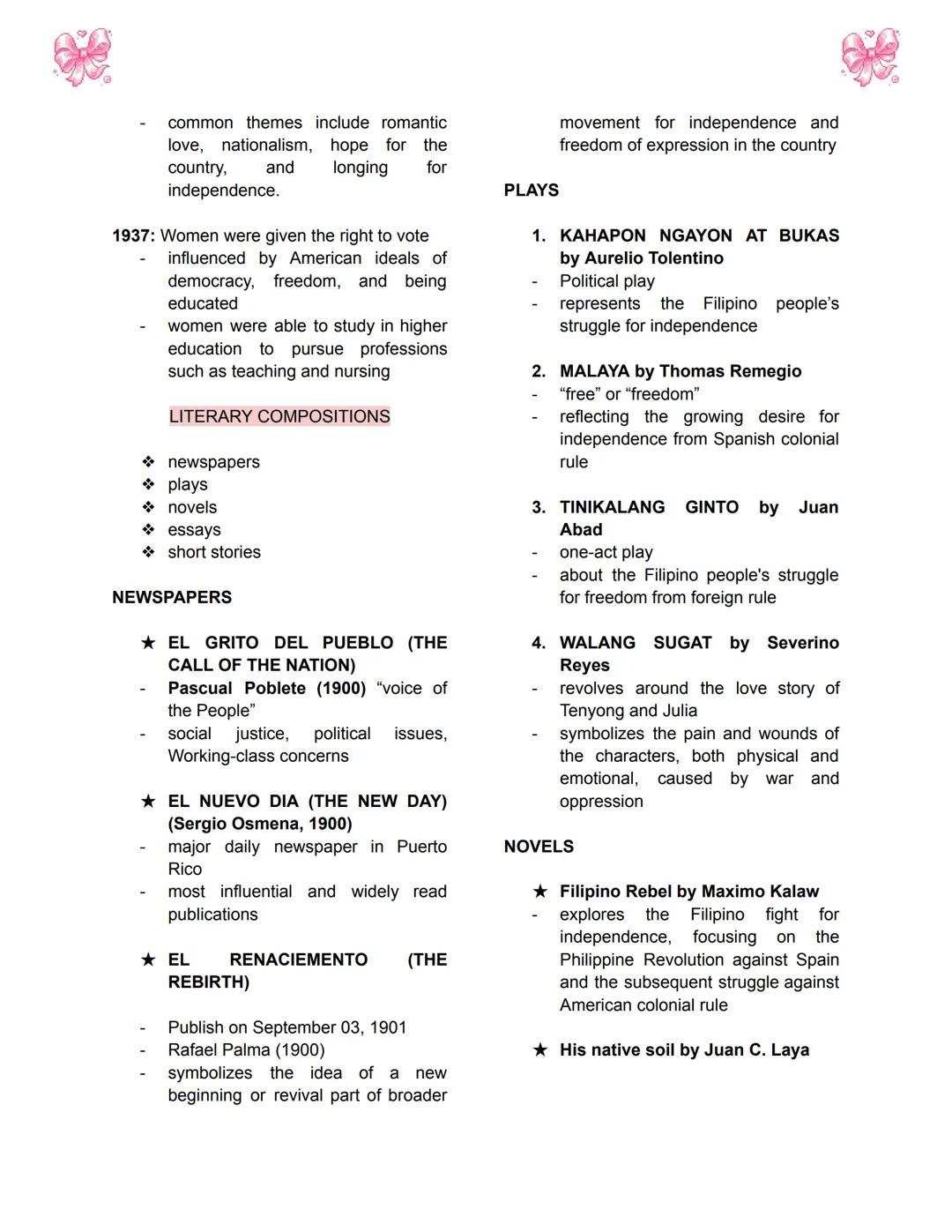
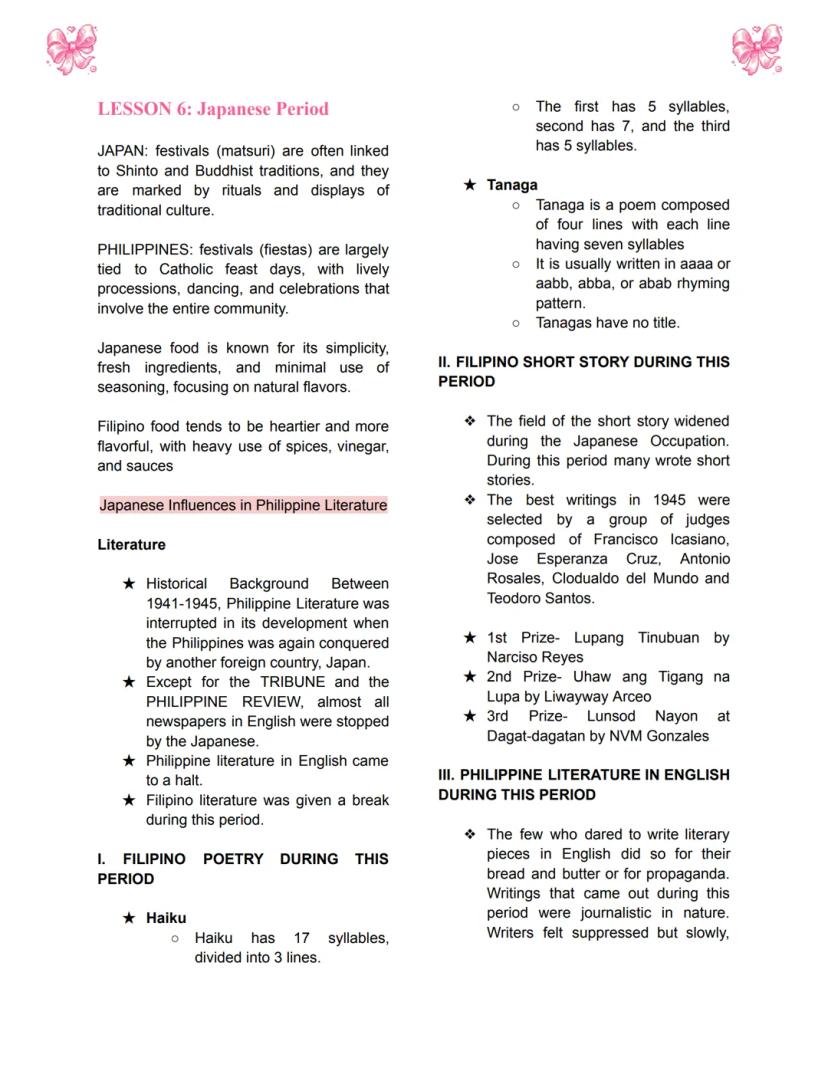
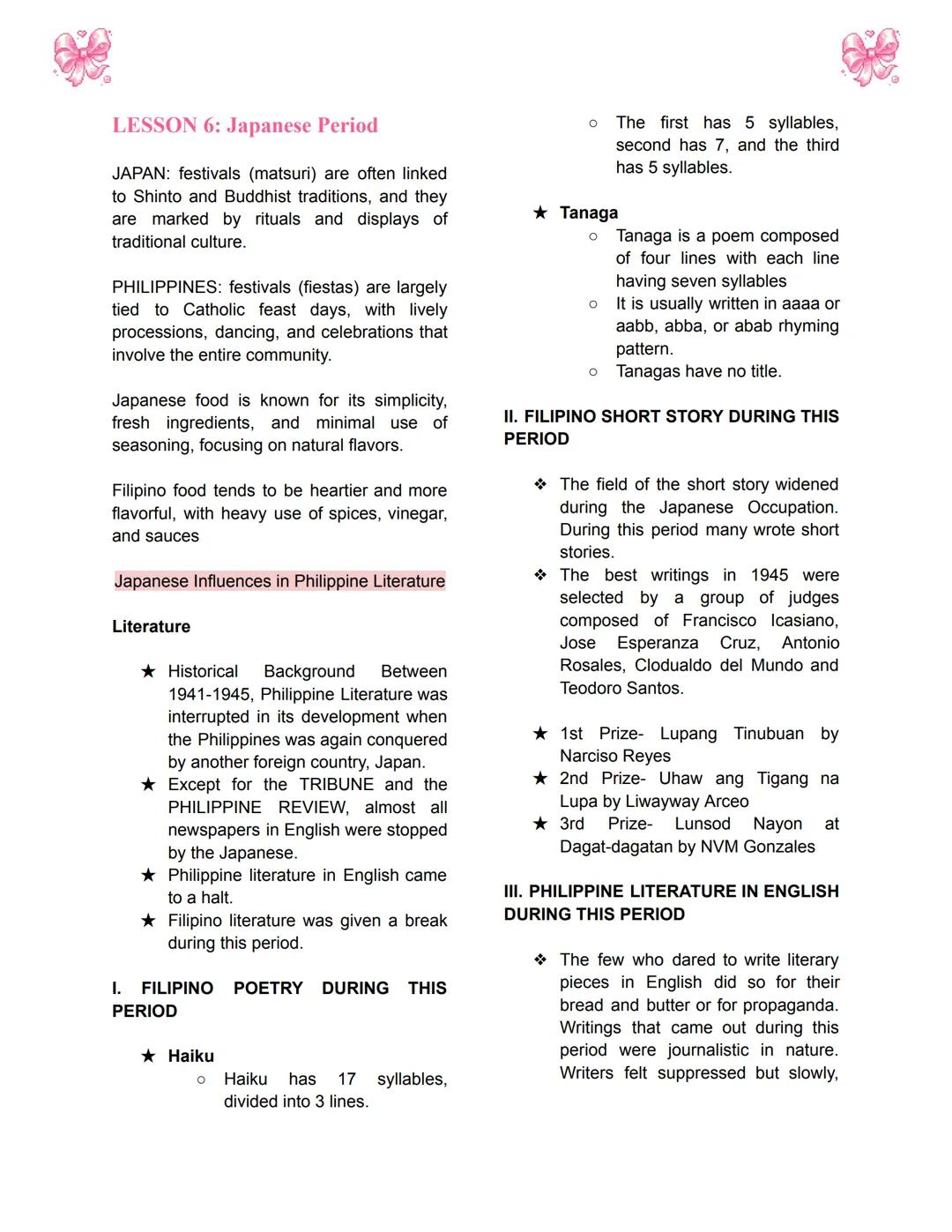
Between 1941-1945, Japan's occupation created a literary crisis. Almost all English newspapers stopped publishing except for the Tribune and Philippine Review. Philippine literature in English came to a complete halt, but this actually gave Filipino literature in native languages a chance to flourish again.
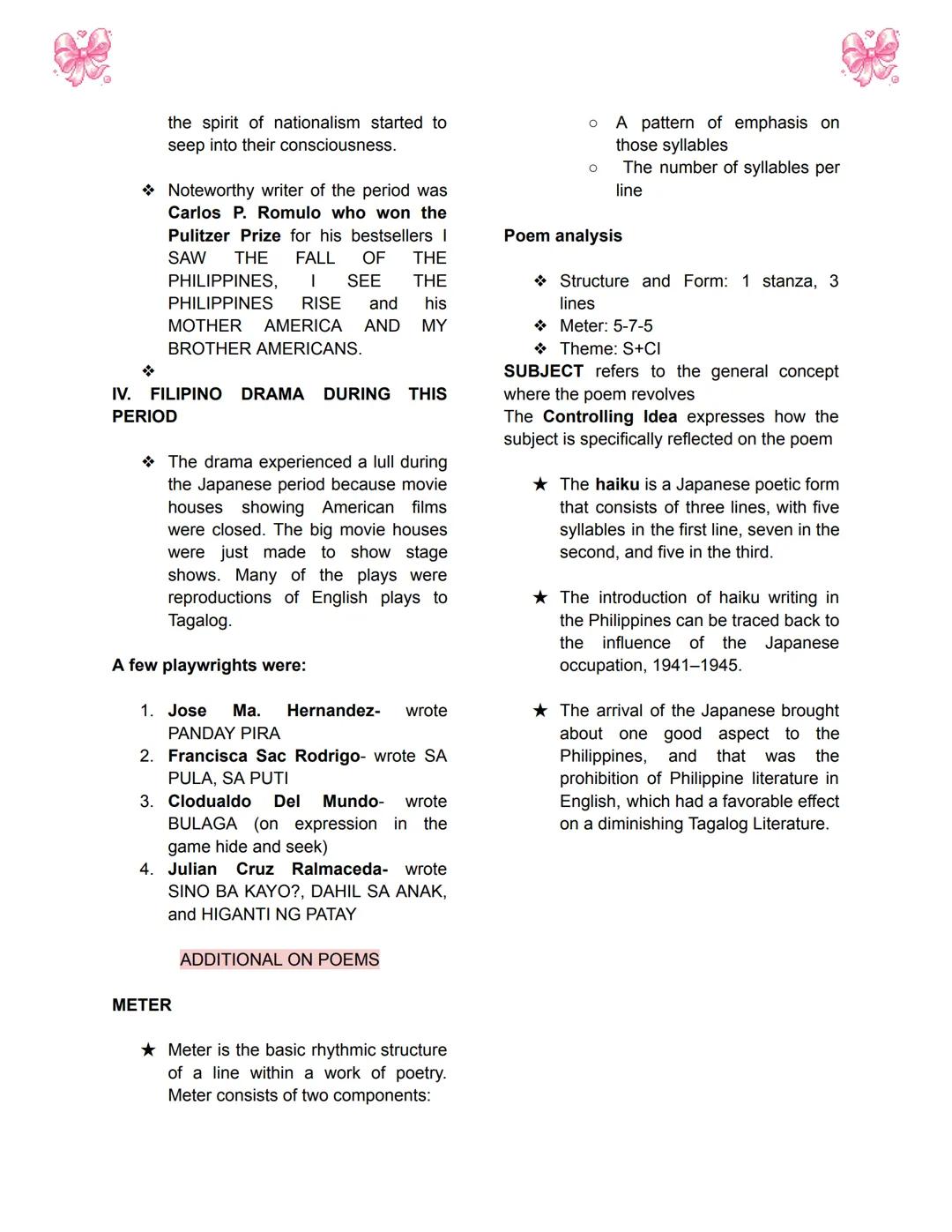
The Japanese introduced haiku to Filipino writers - those tiny 17-syllable poems that capture a moment in nature. Filipinos also revived tanaga, our traditional four-line poems with seven syllables each, usually following AAAA or AABB rhyming patterns.
Short stories exploded during this period as writers found new ways to express themselves under censorship. The best stories of 1945 included "Lupang Tinubuan" by Narciso Reyes (first prize) and "Uhaw ang Tigang na Lupa" by Liwayway Arceo (second prize).
Resistance through art: Writers felt suppressed but slowly developed a stronger sense of nationalism through their work, proving that creativity finds a way even under oppression.
The few brave souls who wrote in English during this period did it mainly for survival or propaganda purposes. Most writings became journalistic in nature rather than purely literary, as writers had to be extremely careful about what they published.
Carlos P. Romulo stood out as the period's most notable writer, winning the Pulitzer Prize for his books like "I Saw the Fall of the Philippines" and "I See the Philippines Rise" - titles that perfectly captured the nation's struggle and hope for recovery.
Filipino drama experienced a major setdown because American movie houses were closed, forcing entertainment back to live stage shows. Playwrights like Jose Ma. Hernandez and Clodualdo Del Mundo kept theater alive by adapting English plays into Tagalog and creating original works that spoke to Filipino experiences under occupation.
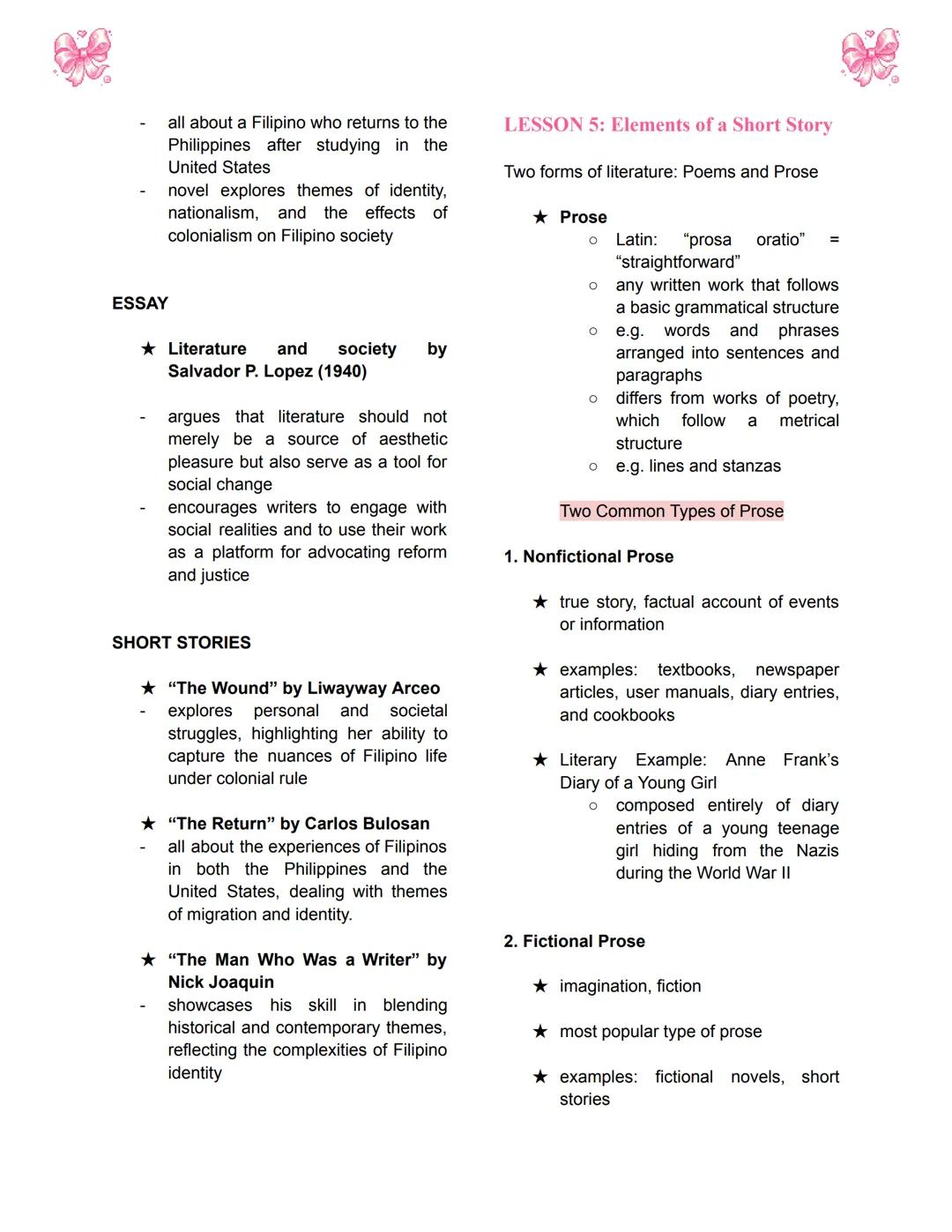
Ang aming AI Companion ay isang AI tool na nakatuon sa mga estudyante na nag-aalok ng higit pa sa mga sagot lang. Binuo mula sa milyong Knowunity resources, nagbibigay ito ng may-kaugnayang impormasyon, personalized na study plans, quizzes, at content direkta sa chat, na umaangkop sa iyong sariling learning journey.
Maaari mong i-download ang app mula sa Google Play Store at Apple App Store.
Tama 'yan! Mag-enjoy sa libreng access sa mga study content, makipag-connect sa kapwa mga estudyante, at kumuha ng instant na tulong – lahat nasa iyong daliri lang.
App Store
Google Play
Napakadaling gamitin at maganda ang disenyo ng app. Nahanap ko lahat ng hinahanap ko hanggang ngayon at natuto ako ng marami mula sa mga presentasyon! Tiyak na gagamitin ko ang app para sa isang takdang-aralin sa klase! At siyempre, nakakatulong din ito bilang inspirasyon.
Stefan S
gumagamit ng iOS
Sobrang ganda talaga ng app na ito. Maraming mga study notes at tulong [...]. Ang problemang subject ko ay Pranses, halimbawa, at ang app ay may maraming options para tumulong. Salamat sa app na ito, bumuti ang Pranses ko. Irerekumenda ko ito sa lahat.
Samantha Klich
Android user
Wow, talagang namangha ako. Sinubukan ko lang ang app dahil nakita ko itong ina-advertise nang maraming beses at sobrang nagulat ako. Ang app na ito ang TULONG na gusto mo para sa paaralan at higit sa lahat, nag-aalok ito ng maraming bagay, tulad ng workouts at fact sheets, na SOBRANG nakatulong sa akin.
Anna
iOS user
Pinakamagandang app sa mundo! walang masabi dahil sobrang ganda nito
Thomas R
iOS user
Napakaganda talaga. Nakakapag-review ako ng 10x mas mabuti, itong app ay mabilis na 10/10. Lubos kong inirerekomenda ito sa lahat. Pwede akong manood at maghanap ng notes. Pwede kong i-save ang mga ito sa subject folder. Pwede kong i-review anumang oras kapag bumalik ako. Kung hindi mo pa nasubukan ang app na ito, marami kang nawawala.
Basil
Android user
Ang app na ito ay nagpapalakas ng loob ko sa paghahanda sa exams, hindi lang dahil sa pagpapataas ng aking kumpiyansa sa sarili sa pamamagitan ng mga feature na nagpapahintulot sa iyo na makipag-connect sa iba at mabawasan ang pakiramdam na nag-iisa, kundi pati na rin sa paraan na nakatuon ang app sa pagpapagaan ng iyong pakiramdam. Madali itong i-navigate, masaya gamitin, at nakakatulong sa sinumang nahihirapan sa kahit anong paraan.
David K
iOS user
Sobrang galing ng app! Ilalagay ko lang ang paksa sa search bar at makakakuha na ako ng sagot kaagad. Hindi ko kailangang manood ng 10 YouTube videos para maintindihan ang isang bagay, kaya nakakatipid ako ng oras. Lubos na inirerekomenda!
Sudenaz Ocak
Android user
Sa paaralan, napakahina ko sa math pero salamat sa app, mas mahusay na ako ngayon. Lubos akong nagpapasalamat na ginawa niyo ang app na ito.
Greenlight Bonnie
Android user
napakareliable na app para tumulong at palawakin ang iyong mga ideya sa Math, English at iba pang mga related na paksa sa iyong mga gawain. gamitin mo ang app na ito kung nahihirapan ka sa mga area, susi ito para diyan. sana nag-review na ako dati. at libre rin ito kaya huwag mag-alala tungkol diyan.
Rohan U
Android user
Alam kong maraming apps gumagamit ng fake accounts para mapataas ang kanilang reviews pero ang app na ito ay deserve lahat ng papuri. Dati nakakakuha ako ng 4 sa aking English exams at ngayon nakakuha ako ng grade 7. Hindi ko pa alam ang app na ito tatlong araw bago ang exam at nakatulong ito ng SOBRA. Pakisuyong maniwala sa akin at gamitin ito dahil sigurado akong makikita mo rin ang mga pagbabago.
Xander S
iOS user
ANG MGA quiz AT flashcard SOBRANG HELPFUL AT I LOVE TALAGA SI Knowunity AI. PARANG CHATGPT LANG PERO MAS MATALINO!! NAKATULONG DIN SA MGA MASCARA PROBLEMS KO!! PATI NA RIN SA MGA TUNAY KONG subject! SYEMPRE 😍😁😲🤑💗✨🎀😮
Elisha
iOS user
Grabe talaga ang app na to. Sobrang nakakaboring sakin ang pagreview pero ginagawa ng app na to na sobrang dali mag-organize ng lahat at pwede mong tanungin ang libreng ai para subukin ang sarili mo kaya sobrang buti at madali mong ma-upload ang sarili mong mga bagay. highly recommend bilang isang taong nagte-take ng mocks ngayon
Paul T
iOS user
Napakadaling gamitin at maganda ang disenyo ng app. Nahanap ko lahat ng hinahanap ko hanggang ngayon at natuto ako ng marami mula sa mga presentasyon! Tiyak na gagamitin ko ang app para sa isang takdang-aralin sa klase! At siyempre, nakakatulong din ito bilang inspirasyon.
Stefan S
gumagamit ng iOS
Sobrang ganda talaga ng app na ito. Maraming mga study notes at tulong [...]. Ang problemang subject ko ay Pranses, halimbawa, at ang app ay may maraming options para tumulong. Salamat sa app na ito, bumuti ang Pranses ko. Irerekumenda ko ito sa lahat.
Samantha Klich
Android user
Wow, talagang namangha ako. Sinubukan ko lang ang app dahil nakita ko itong ina-advertise nang maraming beses at sobrang nagulat ako. Ang app na ito ang TULONG na gusto mo para sa paaralan at higit sa lahat, nag-aalok ito ng maraming bagay, tulad ng workouts at fact sheets, na SOBRANG nakatulong sa akin.
Anna
iOS user
Pinakamagandang app sa mundo! walang masabi dahil sobrang ganda nito
Thomas R
iOS user
Napakaganda talaga. Nakakapag-review ako ng 10x mas mabuti, itong app ay mabilis na 10/10. Lubos kong inirerekomenda ito sa lahat. Pwede akong manood at maghanap ng notes. Pwede kong i-save ang mga ito sa subject folder. Pwede kong i-review anumang oras kapag bumalik ako. Kung hindi mo pa nasubukan ang app na ito, marami kang nawawala.
Basil
Android user
Ang app na ito ay nagpapalakas ng loob ko sa paghahanda sa exams, hindi lang dahil sa pagpapataas ng aking kumpiyansa sa sarili sa pamamagitan ng mga feature na nagpapahintulot sa iyo na makipag-connect sa iba at mabawasan ang pakiramdam na nag-iisa, kundi pati na rin sa paraan na nakatuon ang app sa pagpapagaan ng iyong pakiramdam. Madali itong i-navigate, masaya gamitin, at nakakatulong sa sinumang nahihirapan sa kahit anong paraan.
David K
iOS user
Sobrang galing ng app! Ilalagay ko lang ang paksa sa search bar at makakakuha na ako ng sagot kaagad. Hindi ko kailangang manood ng 10 YouTube videos para maintindihan ang isang bagay, kaya nakakatipid ako ng oras. Lubos na inirerekomenda!
Sudenaz Ocak
Android user
Sa paaralan, napakahina ko sa math pero salamat sa app, mas mahusay na ako ngayon. Lubos akong nagpapasalamat na ginawa niyo ang app na ito.
Greenlight Bonnie
Android user
napakareliable na app para tumulong at palawakin ang iyong mga ideya sa Math, English at iba pang mga related na paksa sa iyong mga gawain. gamitin mo ang app na ito kung nahihirapan ka sa mga area, susi ito para diyan. sana nag-review na ako dati. at libre rin ito kaya huwag mag-alala tungkol diyan.
Rohan U
Android user
Alam kong maraming apps gumagamit ng fake accounts para mapataas ang kanilang reviews pero ang app na ito ay deserve lahat ng papuri. Dati nakakakuha ako ng 4 sa aking English exams at ngayon nakakuha ako ng grade 7. Hindi ko pa alam ang app na ito tatlong araw bago ang exam at nakatulong ito ng SOBRA. Pakisuyong maniwala sa akin at gamitin ito dahil sigurado akong makikita mo rin ang mga pagbabago.
Xander S
iOS user
ANG MGA quiz AT flashcard SOBRANG HELPFUL AT I LOVE TALAGA SI Knowunity AI. PARANG CHATGPT LANG PERO MAS MATALINO!! NAKATULONG DIN SA MGA MASCARA PROBLEMS KO!! PATI NA RIN SA MGA TUNAY KONG subject! SYEMPRE 😍😁😲🤑💗✨🎀😮
Elisha
iOS user
Grabe talaga ang app na to. Sobrang nakakaboring sakin ang pagreview pero ginagawa ng app na to na sobrang dali mag-organize ng lahat at pwede mong tanungin ang libreng ai para subukin ang sarili mo kaya sobrang buti at madali mong ma-upload ang sarili mong mga bagay. highly recommend bilang isang taong nagte-take ng mocks ngayon
Paul T
iOS user
Gojo
@satorufux
Ever wonder how different cultures shaped Filipino literature? From ancient proverbs to Japanese haiku, Philippine literature is like a fascinating mix tape of influences that tells the story of our nation's journey through colonization and cultural exchange.
Access sa lahat ng dokumento
Pagbutihin ang iyong mga grado
Sumali sa milyong mga estudyante
Think of salawikain as your lolo's way of dropping wisdom bombs! These proverbs are basically life hacks wrapped in rhyming verses that teach you how to survive everyday situations while keeping you entertained.
Bugtong (riddles) are like brain teasers your tita would throw at you during family gatherings. They sound completely nonsensical at first, but once you get the answer, you'll be smacking your forehead going "Ay, obvious naman pala!"
Pro tip: These traditional forms are still relevant today - they're basically the original memes that went viral before social media existed!
Poetry isn't just flowery words thrown together randomly. It's actually a strategic art form designed to hit you right in the feels through carefully chosen words, sounds, and rhythms. The coolest part? Poetry existed way before people could even write!
The key elements you should master are structure and form (how it looks on paper), rhyme scheme (the pattern of rhyming words), figurative language (comparisons that aren't literal), and theme (the deeper message). A sonnet, for example, is like the McDonald's of poetry - it has a standard format of 14 lines in one stanza that everyone recognizes.
Understanding these elements is like having a cheat code for analyzing any poem. Once you spot these patterns, you'll start seeing poetry everywhere - even in song lyrics and social media captions!
Access sa lahat ng dokumento
Pagbutihin ang iyong mga grado
Sumali sa milyong mga estudyante
Picture this: for 300 years (1565-1898), Spanish was the official language of the Philippines. That's longer than America has existed as a country! This massive cultural takeover left permanent marks on how we think, speak, and write today.
The Spanish brought us some questionable habits like the mañana habit (procrastination culture) and "bahala na" (the fatalistic "whatever happens, happens" mindset). But they also gave us incredible gifts: formal education, amazing fusion cuisine, and a rich tradition of written literature.
Ang Doctrina Cristiana became the first book ever printed in the Philippines in 1593. Think of it as the original Filipino bestseller! It contained all the basic Catholic prayers and teachings that became the foundation of Filipino religious practices.
Fun fact: The word "leche" (milk in Spanish) became a Filipino curse word because of our complicated relationship with Spanish colonization!
The Spanish period was like the golden age of Filipino theater and performance! Cenaculo dramatized Christ's passion, while Zarzuela was basically the original Filipino musical comedy that tackled love, politics, and social issues with catchy songs.
Balagtasan deserves special recognition as the Filipino rap battle of its time - poets would debate in verse, showing off their wordplay skills. Meanwhile, Moro-moro plays reinforced Christian values by always having the Christian heroes defeat the Muslim characters, reflecting the religious tensions of that era.
Access sa lahat ng dokumento
Pagbutihin ang iyong mga grado
Sumali sa milyong mga estudyante
When America took over in 1898, they didn't just change our government - they completely transformed Filipino culture and literature. The Battle of Manila Bay might have been a "splendid little war" for Americans, but its effects on Philippine literature were massive.
By 1901, public schools were established with English as the medium of instruction. American teachers called Thomasites came over to build schools and train Filipino educators. This wasn't just about education - it was about spreading American ideals of democracy and individualism.
The 1920s marked a literary revolution when Filipinos started writing stories in English instead of just poetry. Writers wanted to break free from traditional restrictions and explore new themes like romantic love, nationalism, and the dream of independence.
Cultural shift alert: By 1937, women gained the right to vote, influenced by American democratic ideals. This opened doors for women in higher education and professions like teaching and nursing.
Filipino writers during this time created newspapers like El Grito del Pueblo (voice of the working class) and El Renacimiento (symbolizing rebirth and independence). These weren't just news sources - they were platforms for political resistance and social change.
Plays like "Walang Sugat" by Severino Reyes used love stories to symbolize the pain of war and oppression. Novels like "His Native Soil" explored what happened when Filipinos returned home after studying in America - a theme that's still relevant for OFWs today.
Short stories became the preferred medium for many writers. Salvador P. Lopez argued that literature shouldn't just be pretty - it should be a tool for social change and reform, encouraging writers to engage with real social problems.
Access sa lahat ng dokumento
Pagbutihin ang iyong mga grado
Sumali sa milyong mga estudyante
Understanding prose is like learning the difference between a formal essay and a text message. Prose follows basic grammar rules with sentences and paragraphs, unlike poetry with its lines and stanzas. It comes in two flavors: nonfictional prose (true stories like textbooks and diaries) and fictional prose .
Short stories are designed to be consumed in one sitting - think of them as the literary equivalent of a Netflix episode. They focus on one plot, one central struggle, and try to leave you with a single powerful impression.
The four essential elements you need to master are plot (sequence of events), setting (time and place), characters (the people driving the story), and theme (the deeper meaning). These work together like ingredients in a recipe - mess up one, and the whole story falls apart.
Success tip: Writers depend on your personal experiences to fill in gaps, so the more life experiences you have, the better you'll understand and analyze stories!
Think of plot as a rollercoaster ride with predictable stages. The exposition introduces characters and setting (like boarding the ride), rising action builds tension with conflicts and complications (the slow climb up), and the climax is the turning point where everything changes (the big drop).
Falling action shows how conflicts start resolving (coasting down), while the conclusion wraps everything up (getting off the ride). Writers use techniques like suspense (keeping you on edge), foreshadowing (dropping hints), and flashbacks (showing earlier events) to make the ride more exciting.
The climax is crucial because it's when the main character receives new information, recognizes its importance, and acts on it. This decision determines whether they achieve their goal or fail miserably.
Access sa lahat ng dokumento
Pagbutihin ang iyong mga grado
Sumali sa milyong mga estudyante
Between 1941-1945, Japan's occupation created a literary crisis. Almost all English newspapers stopped publishing except for the Tribune and Philippine Review. Philippine literature in English came to a complete halt, but this actually gave Filipino literature in native languages a chance to flourish again.
The Japanese introduced haiku to Filipino writers - those tiny 17-syllable poems that capture a moment in nature. Filipinos also revived tanaga, our traditional four-line poems with seven syllables each, usually following AAAA or AABB rhyming patterns.
Short stories exploded during this period as writers found new ways to express themselves under censorship. The best stories of 1945 included "Lupang Tinubuan" by Narciso Reyes (first prize) and "Uhaw ang Tigang na Lupa" by Liwayway Arceo (second prize).
Resistance through art: Writers felt suppressed but slowly developed a stronger sense of nationalism through their work, proving that creativity finds a way even under oppression.
The few brave souls who wrote in English during this period did it mainly for survival or propaganda purposes. Most writings became journalistic in nature rather than purely literary, as writers had to be extremely careful about what they published.
Carlos P. Romulo stood out as the period's most notable writer, winning the Pulitzer Prize for his books like "I Saw the Fall of the Philippines" and "I See the Philippines Rise" - titles that perfectly captured the nation's struggle and hope for recovery.
Filipino drama experienced a major setdown because American movie houses were closed, forcing entertainment back to live stage shows. Playwrights like Jose Ma. Hernandez and Clodualdo Del Mundo kept theater alive by adapting English plays into Tagalog and creating original works that spoke to Filipino experiences under occupation.
Access sa lahat ng dokumento
Pagbutihin ang iyong mga grado
Sumali sa milyong mga estudyante
Access sa lahat ng dokumento
Pagbutihin ang iyong mga grado
Sumali sa milyong mga estudyante
Access sa lahat ng dokumento
Pagbutihin ang iyong mga grado
Sumali sa milyong mga estudyante
Access sa lahat ng dokumento
Pagbutihin ang iyong mga grado
Sumali sa milyong mga estudyante
Access sa lahat ng dokumento
Pagbutihin ang iyong mga grado
Sumali sa milyong mga estudyante
Ang aming AI Companion ay isang AI tool na nakatuon sa mga estudyante na nag-aalok ng higit pa sa mga sagot lang. Binuo mula sa milyong Knowunity resources, nagbibigay ito ng may-kaugnayang impormasyon, personalized na study plans, quizzes, at content direkta sa chat, na umaangkop sa iyong sariling learning journey.
Maaari mong i-download ang app mula sa Google Play Store at Apple App Store.
Tama 'yan! Mag-enjoy sa libreng access sa mga study content, makipag-connect sa kapwa mga estudyante, at kumuha ng instant na tulong – lahat nasa iyong daliri lang.
2
Smart Tools NEW
I-transform ang note na ito sa: ✓ 50+ Practice Questions ✓ Interactive Flashcards ✓ Full Mock Exam ✓ Essay Outlines
App Store
Google Play
Napakadaling gamitin at maganda ang disenyo ng app. Nahanap ko lahat ng hinahanap ko hanggang ngayon at natuto ako ng marami mula sa mga presentasyon! Tiyak na gagamitin ko ang app para sa isang takdang-aralin sa klase! At siyempre, nakakatulong din ito bilang inspirasyon.
Stefan S
gumagamit ng iOS
Sobrang ganda talaga ng app na ito. Maraming mga study notes at tulong [...]. Ang problemang subject ko ay Pranses, halimbawa, at ang app ay may maraming options para tumulong. Salamat sa app na ito, bumuti ang Pranses ko. Irerekumenda ko ito sa lahat.
Samantha Klich
Android user
Wow, talagang namangha ako. Sinubukan ko lang ang app dahil nakita ko itong ina-advertise nang maraming beses at sobrang nagulat ako. Ang app na ito ang TULONG na gusto mo para sa paaralan at higit sa lahat, nag-aalok ito ng maraming bagay, tulad ng workouts at fact sheets, na SOBRANG nakatulong sa akin.
Anna
iOS user
Pinakamagandang app sa mundo! walang masabi dahil sobrang ganda nito
Thomas R
iOS user
Napakaganda talaga. Nakakapag-review ako ng 10x mas mabuti, itong app ay mabilis na 10/10. Lubos kong inirerekomenda ito sa lahat. Pwede akong manood at maghanap ng notes. Pwede kong i-save ang mga ito sa subject folder. Pwede kong i-review anumang oras kapag bumalik ako. Kung hindi mo pa nasubukan ang app na ito, marami kang nawawala.
Basil
Android user
Ang app na ito ay nagpapalakas ng loob ko sa paghahanda sa exams, hindi lang dahil sa pagpapataas ng aking kumpiyansa sa sarili sa pamamagitan ng mga feature na nagpapahintulot sa iyo na makipag-connect sa iba at mabawasan ang pakiramdam na nag-iisa, kundi pati na rin sa paraan na nakatuon ang app sa pagpapagaan ng iyong pakiramdam. Madali itong i-navigate, masaya gamitin, at nakakatulong sa sinumang nahihirapan sa kahit anong paraan.
David K
iOS user
Sobrang galing ng app! Ilalagay ko lang ang paksa sa search bar at makakakuha na ako ng sagot kaagad. Hindi ko kailangang manood ng 10 YouTube videos para maintindihan ang isang bagay, kaya nakakatipid ako ng oras. Lubos na inirerekomenda!
Sudenaz Ocak
Android user
Sa paaralan, napakahina ko sa math pero salamat sa app, mas mahusay na ako ngayon. Lubos akong nagpapasalamat na ginawa niyo ang app na ito.
Greenlight Bonnie
Android user
napakareliable na app para tumulong at palawakin ang iyong mga ideya sa Math, English at iba pang mga related na paksa sa iyong mga gawain. gamitin mo ang app na ito kung nahihirapan ka sa mga area, susi ito para diyan. sana nag-review na ako dati. at libre rin ito kaya huwag mag-alala tungkol diyan.
Rohan U
Android user
Alam kong maraming apps gumagamit ng fake accounts para mapataas ang kanilang reviews pero ang app na ito ay deserve lahat ng papuri. Dati nakakakuha ako ng 4 sa aking English exams at ngayon nakakuha ako ng grade 7. Hindi ko pa alam ang app na ito tatlong araw bago ang exam at nakatulong ito ng SOBRA. Pakisuyong maniwala sa akin at gamitin ito dahil sigurado akong makikita mo rin ang mga pagbabago.
Xander S
iOS user
ANG MGA quiz AT flashcard SOBRANG HELPFUL AT I LOVE TALAGA SI Knowunity AI. PARANG CHATGPT LANG PERO MAS MATALINO!! NAKATULONG DIN SA MGA MASCARA PROBLEMS KO!! PATI NA RIN SA MGA TUNAY KONG subject! SYEMPRE 😍😁😲🤑💗✨🎀😮
Elisha
iOS user
Grabe talaga ang app na to. Sobrang nakakaboring sakin ang pagreview pero ginagawa ng app na to na sobrang dali mag-organize ng lahat at pwede mong tanungin ang libreng ai para subukin ang sarili mo kaya sobrang buti at madali mong ma-upload ang sarili mong mga bagay. highly recommend bilang isang taong nagte-take ng mocks ngayon
Paul T
iOS user
Napakadaling gamitin at maganda ang disenyo ng app. Nahanap ko lahat ng hinahanap ko hanggang ngayon at natuto ako ng marami mula sa mga presentasyon! Tiyak na gagamitin ko ang app para sa isang takdang-aralin sa klase! At siyempre, nakakatulong din ito bilang inspirasyon.
Stefan S
gumagamit ng iOS
Sobrang ganda talaga ng app na ito. Maraming mga study notes at tulong [...]. Ang problemang subject ko ay Pranses, halimbawa, at ang app ay may maraming options para tumulong. Salamat sa app na ito, bumuti ang Pranses ko. Irerekumenda ko ito sa lahat.
Samantha Klich
Android user
Wow, talagang namangha ako. Sinubukan ko lang ang app dahil nakita ko itong ina-advertise nang maraming beses at sobrang nagulat ako. Ang app na ito ang TULONG na gusto mo para sa paaralan at higit sa lahat, nag-aalok ito ng maraming bagay, tulad ng workouts at fact sheets, na SOBRANG nakatulong sa akin.
Anna
iOS user
Pinakamagandang app sa mundo! walang masabi dahil sobrang ganda nito
Thomas R
iOS user
Napakaganda talaga. Nakakapag-review ako ng 10x mas mabuti, itong app ay mabilis na 10/10. Lubos kong inirerekomenda ito sa lahat. Pwede akong manood at maghanap ng notes. Pwede kong i-save ang mga ito sa subject folder. Pwede kong i-review anumang oras kapag bumalik ako. Kung hindi mo pa nasubukan ang app na ito, marami kang nawawala.
Basil
Android user
Ang app na ito ay nagpapalakas ng loob ko sa paghahanda sa exams, hindi lang dahil sa pagpapataas ng aking kumpiyansa sa sarili sa pamamagitan ng mga feature na nagpapahintulot sa iyo na makipag-connect sa iba at mabawasan ang pakiramdam na nag-iisa, kundi pati na rin sa paraan na nakatuon ang app sa pagpapagaan ng iyong pakiramdam. Madali itong i-navigate, masaya gamitin, at nakakatulong sa sinumang nahihirapan sa kahit anong paraan.
David K
iOS user
Sobrang galing ng app! Ilalagay ko lang ang paksa sa search bar at makakakuha na ako ng sagot kaagad. Hindi ko kailangang manood ng 10 YouTube videos para maintindihan ang isang bagay, kaya nakakatipid ako ng oras. Lubos na inirerekomenda!
Sudenaz Ocak
Android user
Sa paaralan, napakahina ko sa math pero salamat sa app, mas mahusay na ako ngayon. Lubos akong nagpapasalamat na ginawa niyo ang app na ito.
Greenlight Bonnie
Android user
napakareliable na app para tumulong at palawakin ang iyong mga ideya sa Math, English at iba pang mga related na paksa sa iyong mga gawain. gamitin mo ang app na ito kung nahihirapan ka sa mga area, susi ito para diyan. sana nag-review na ako dati. at libre rin ito kaya huwag mag-alala tungkol diyan.
Rohan U
Android user
Alam kong maraming apps gumagamit ng fake accounts para mapataas ang kanilang reviews pero ang app na ito ay deserve lahat ng papuri. Dati nakakakuha ako ng 4 sa aking English exams at ngayon nakakuha ako ng grade 7. Hindi ko pa alam ang app na ito tatlong araw bago ang exam at nakatulong ito ng SOBRA. Pakisuyong maniwala sa akin at gamitin ito dahil sigurado akong makikita mo rin ang mga pagbabago.
Xander S
iOS user
ANG MGA quiz AT flashcard SOBRANG HELPFUL AT I LOVE TALAGA SI Knowunity AI. PARANG CHATGPT LANG PERO MAS MATALINO!! NAKATULONG DIN SA MGA MASCARA PROBLEMS KO!! PATI NA RIN SA MGA TUNAY KONG subject! SYEMPRE 😍😁😲🤑💗✨🎀😮
Elisha
iOS user
Grabe talaga ang app na to. Sobrang nakakaboring sakin ang pagreview pero ginagawa ng app na to na sobrang dali mag-organize ng lahat at pwede mong tanungin ang libreng ai para subukin ang sarili mo kaya sobrang buti at madali mong ma-upload ang sarili mong mga bagay. highly recommend bilang isang taong nagte-take ng mocks ngayon
Paul T
iOS user