Verbal vs Non-Verbal: Both Matter More Than You Think
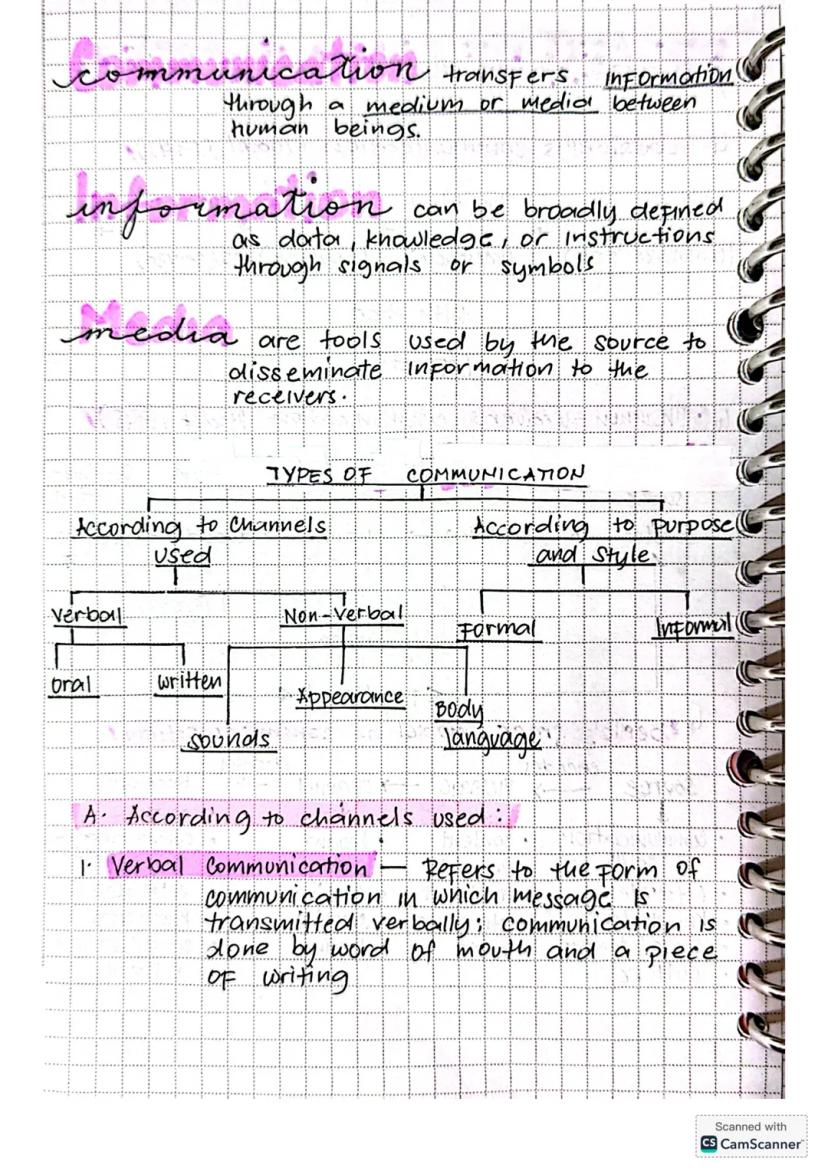
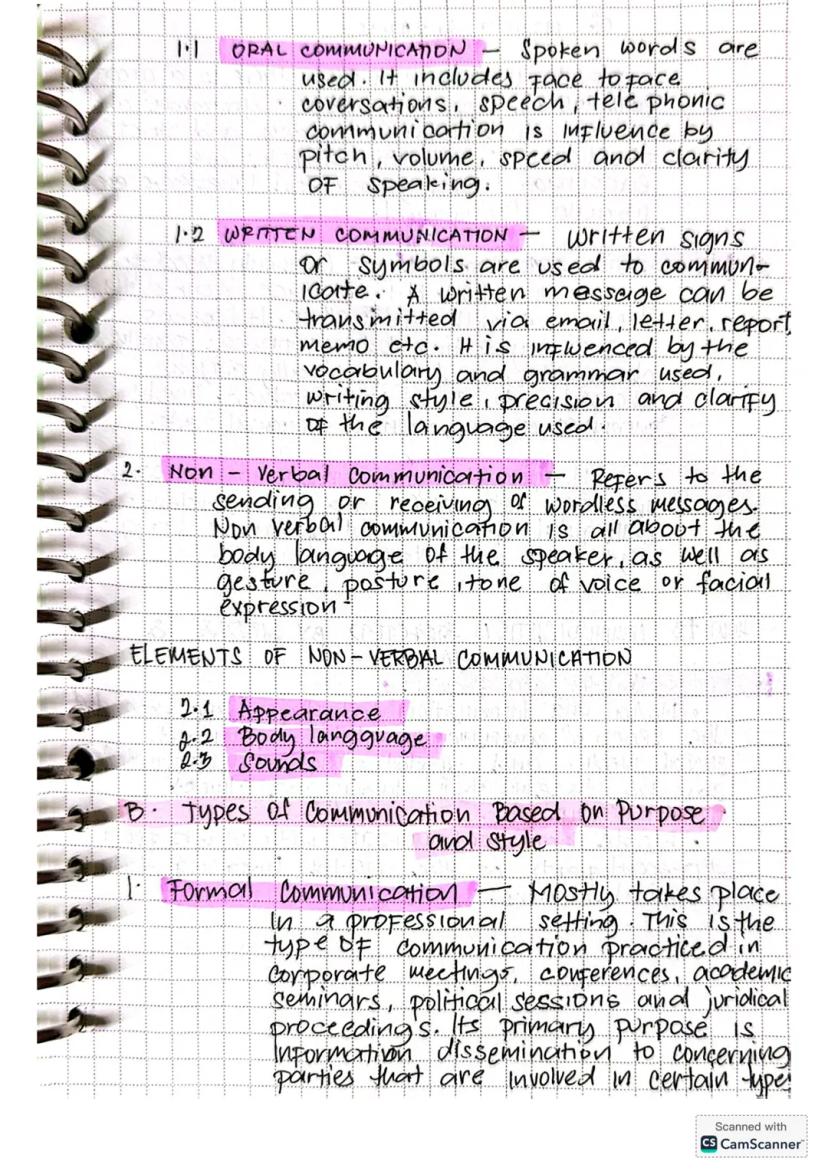
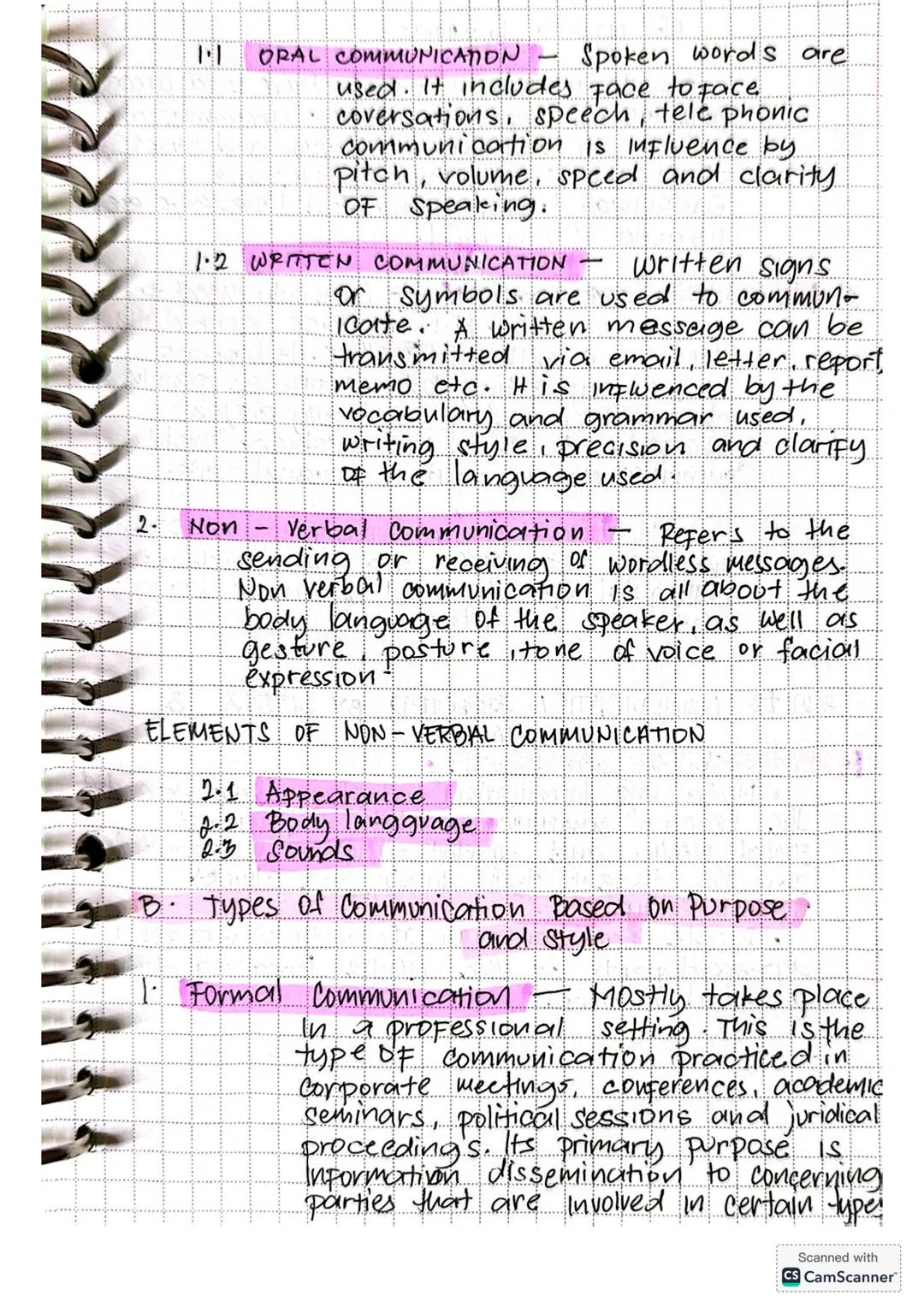
Oral communication uses spoken words and includes everything from casual conversations to formal presentations. Your pitch, volume, speed, and clarity all affect how your message lands with your audience.
Written communication relies on written symbols and includes texts, emails, reports, and social media posts. Here, your vocabulary, grammar, writing style, and clarity become crucial for getting your point across effectively.
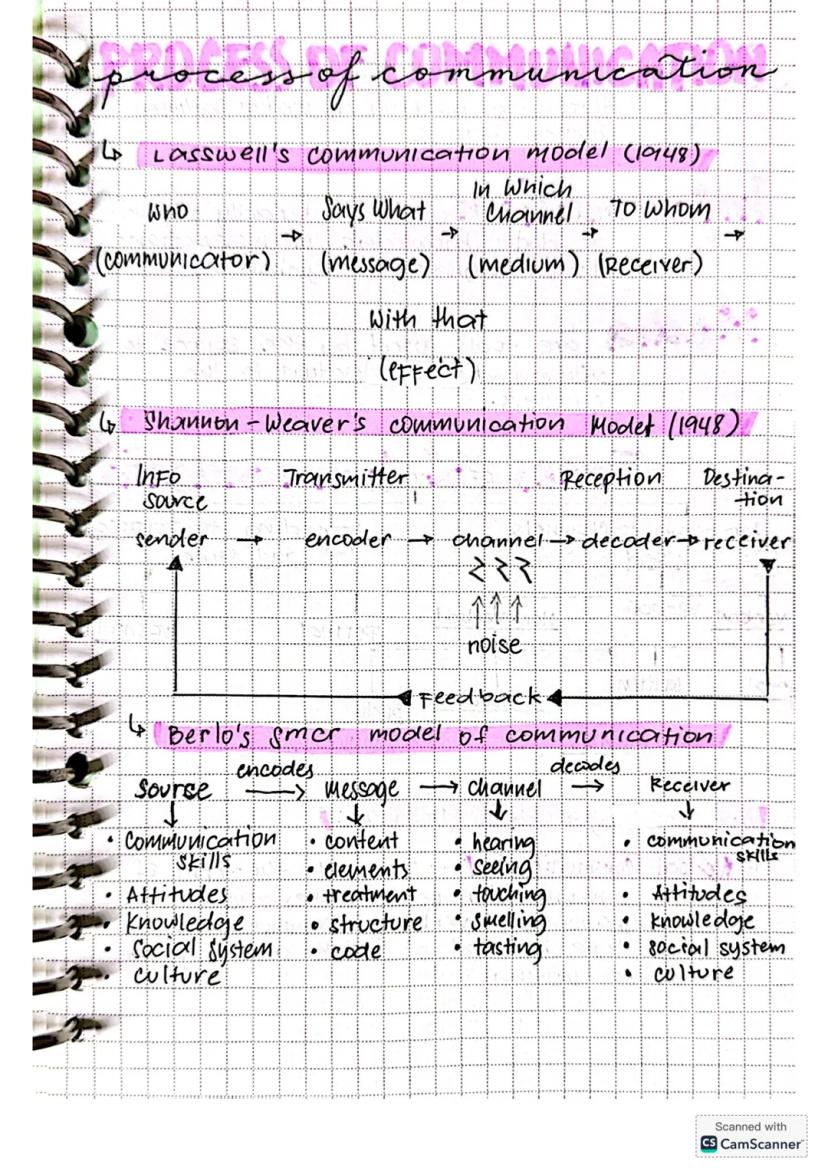
Non-verbal communication sends messages without words through your appearance, body language, and sounds you make. This includes everything from your posture during a job interview to the emoji you choose in a text message.
💡 Pro Tip: Your non-verbal cues can either support or contradict your verbal message. Make sure they're working together, not against each other.
Elements like appearance, body language, and sounds all contribute to how others perceive and understand your message, often more powerfully than your actual words.




 Iba pa
 Business Finance
 English
 KomPan
 MIL
MIL Science
 Practical Research
 DISS
DISS