Audio and Motion Media Mastery
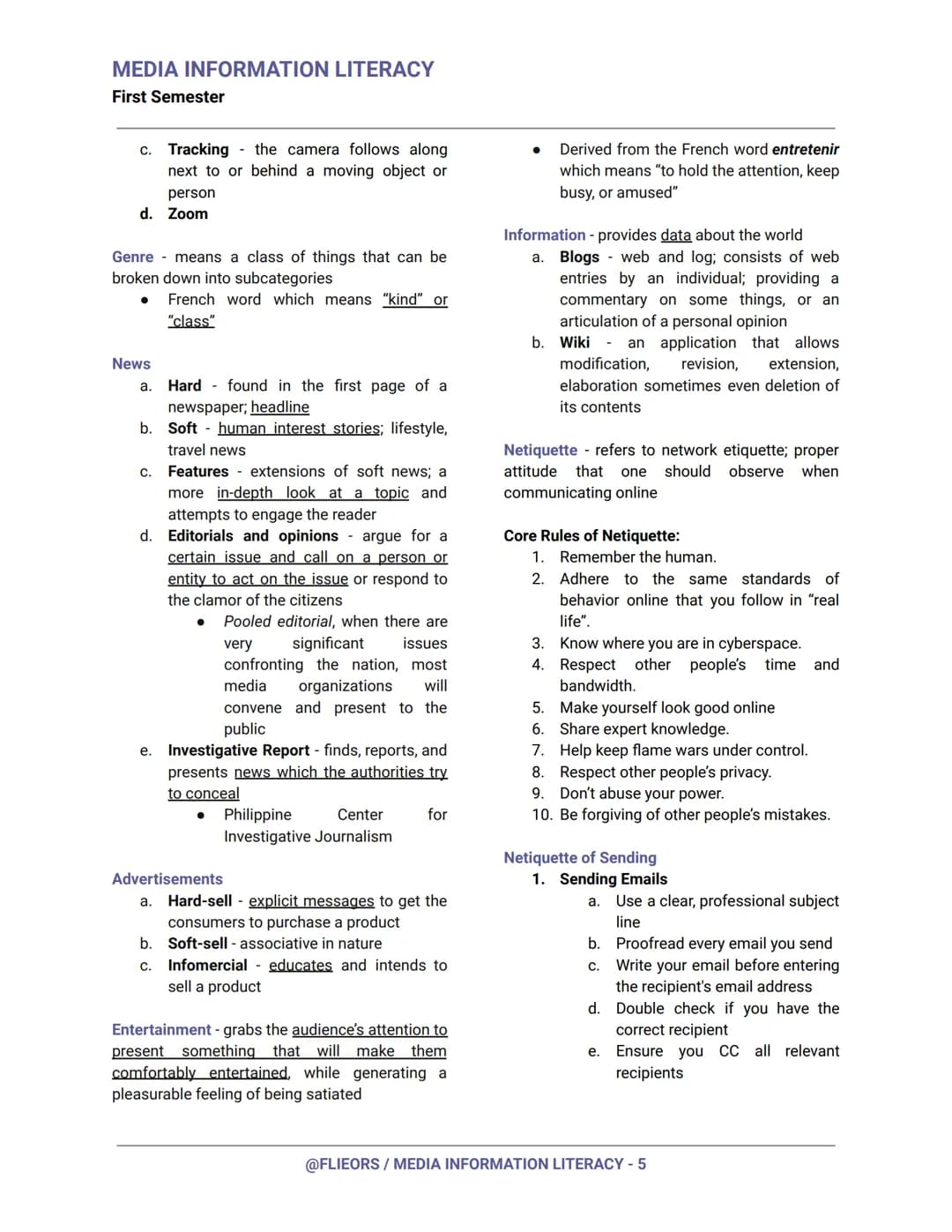
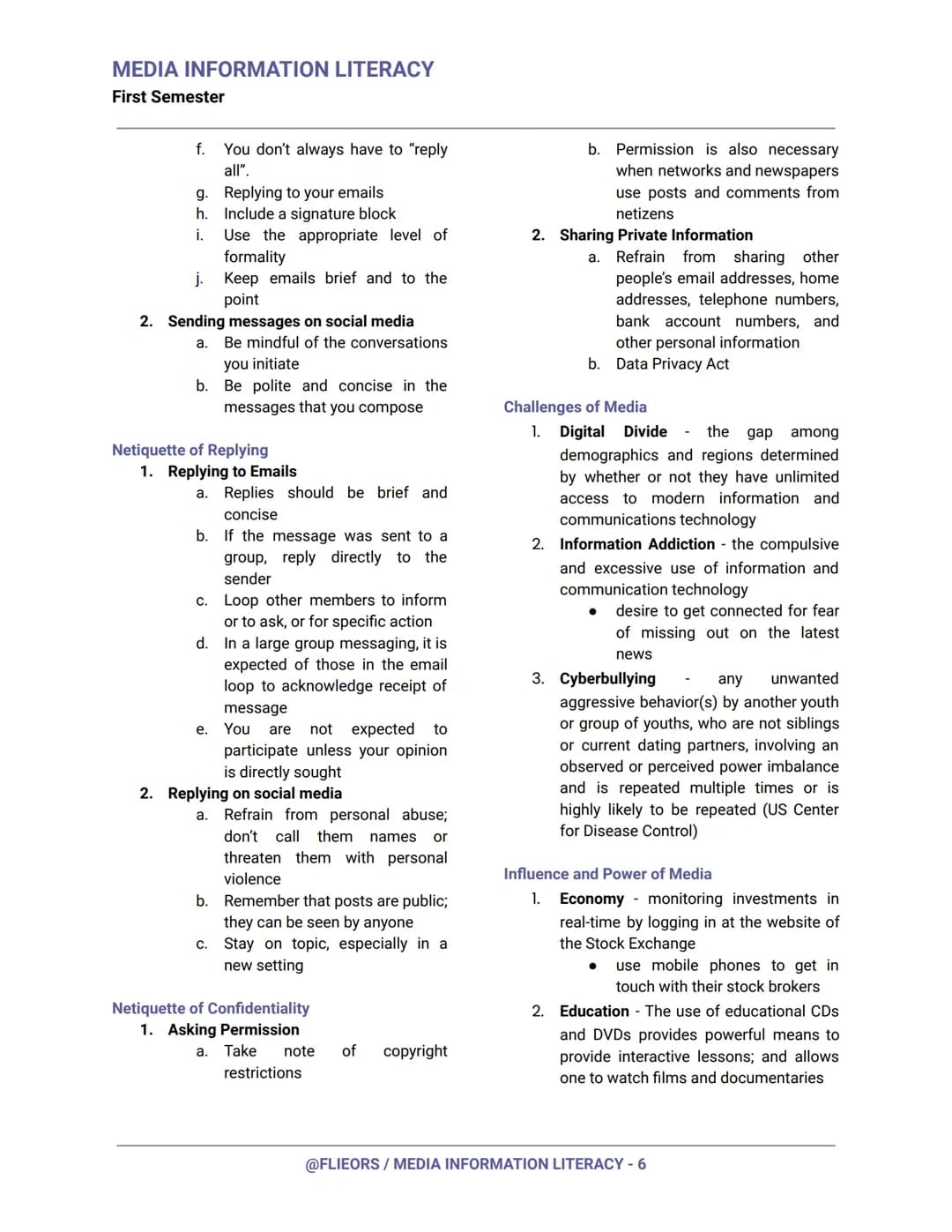
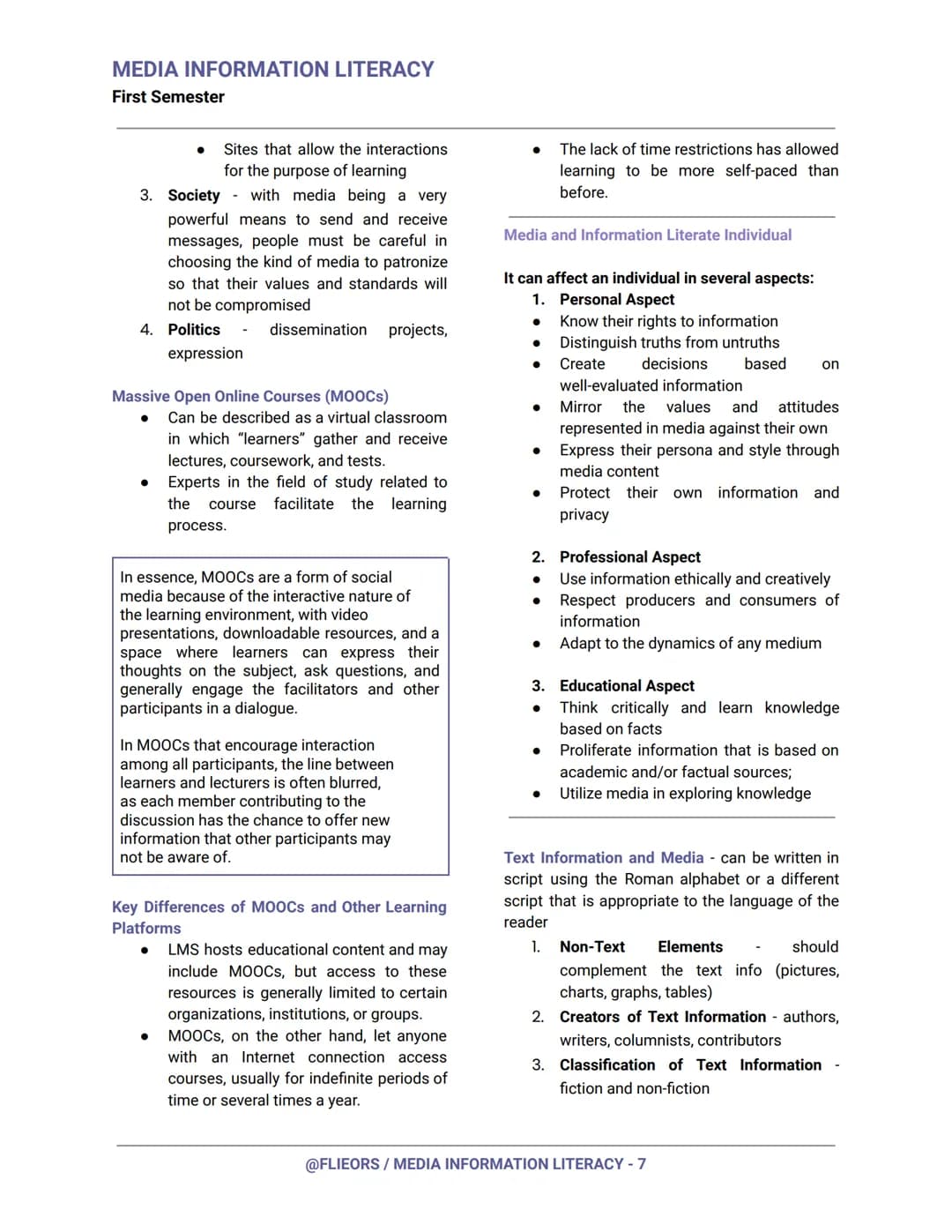
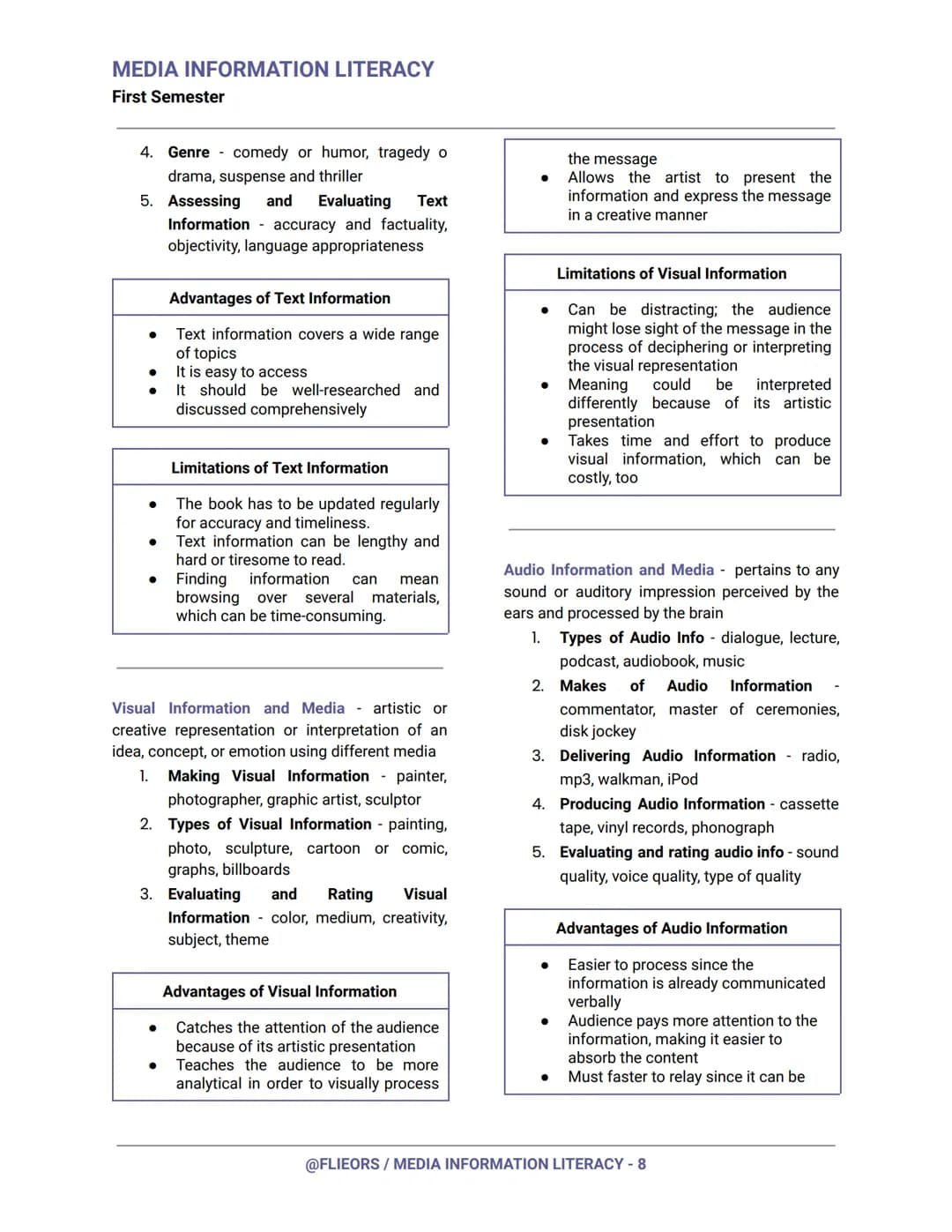
Audio information and media includes dialogue, lectures, podcasts, and music created by commentators, DJs, and other audio professionals. Audio content is easier to process since information is communicated verbally, allowing audiences to absorb content while multitasking. However, information retention can be challenging, and listeners can easily become distracted.
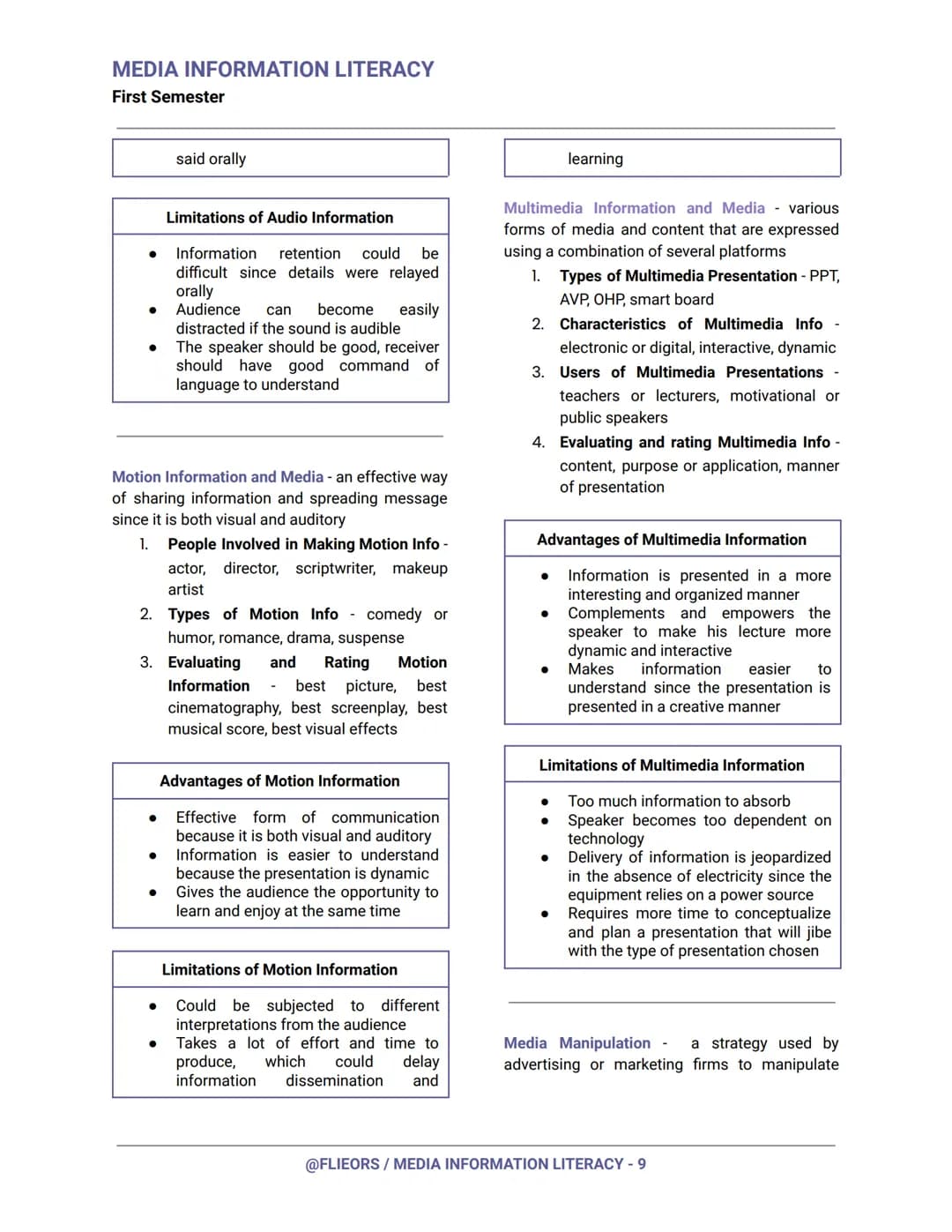
Motion information and media combines visual and auditory elements, making it highly effective for communication. Created by actors, directors, scriptwriters, and technical teams, motion media spans genres from comedy to drama. This dynamic presentation format helps audiences learn while being entertained.
The evaluation criteria for motion media include cinematography, screenplay quality, musical score, and visual effects. While motion media is engaging and educational, it requires significant time and resources to produce and can be interpreted differently by various audiences.
Audio delivery platforms range from traditional radio to modern MP3 players and streaming services. Production methods have evolved from vinyl records and cassette tapes to digital recording and distribution. Sound quality, voice clarity, and technical excellence remain crucial evaluation factors.
Media Creation Tip: When creating audio or video content, always prioritize clear sound quality - poor audio can ruin even the best visual content!


 Science
 Iba pa
 Practical Research
 DISS
DISS