Real-World Problem Solving
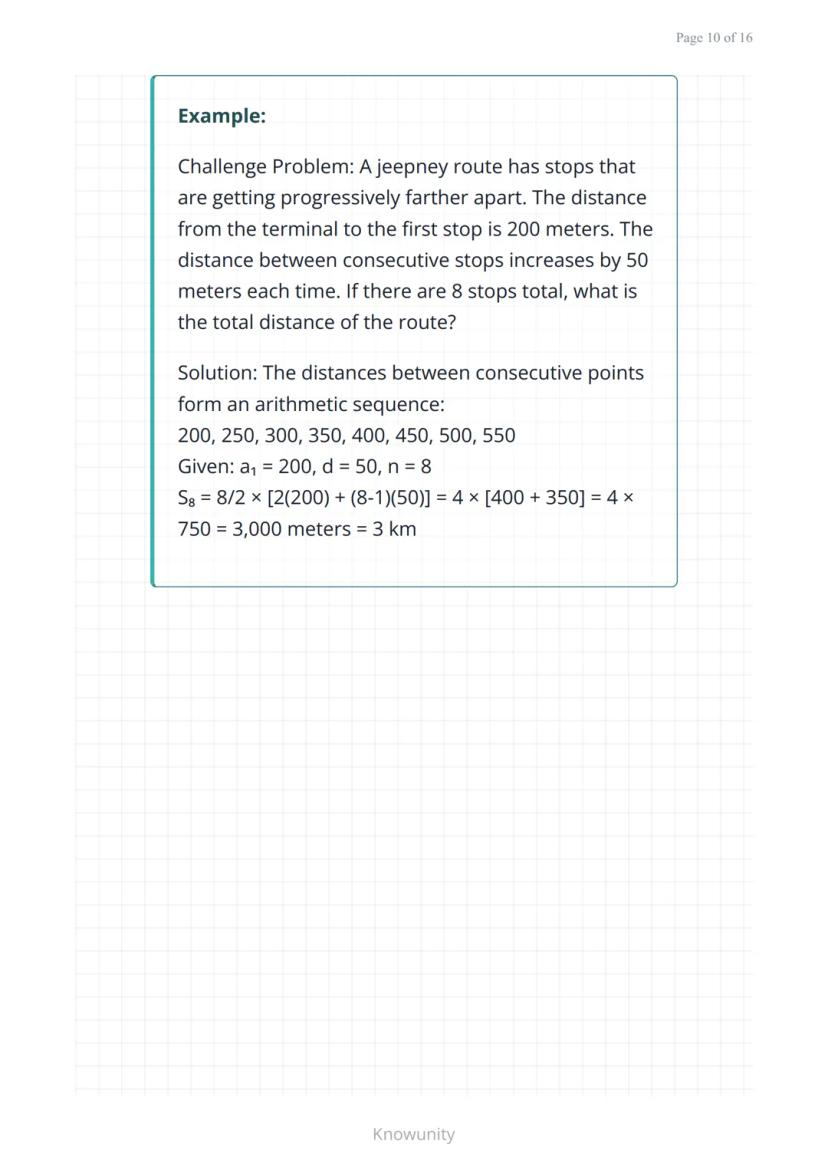
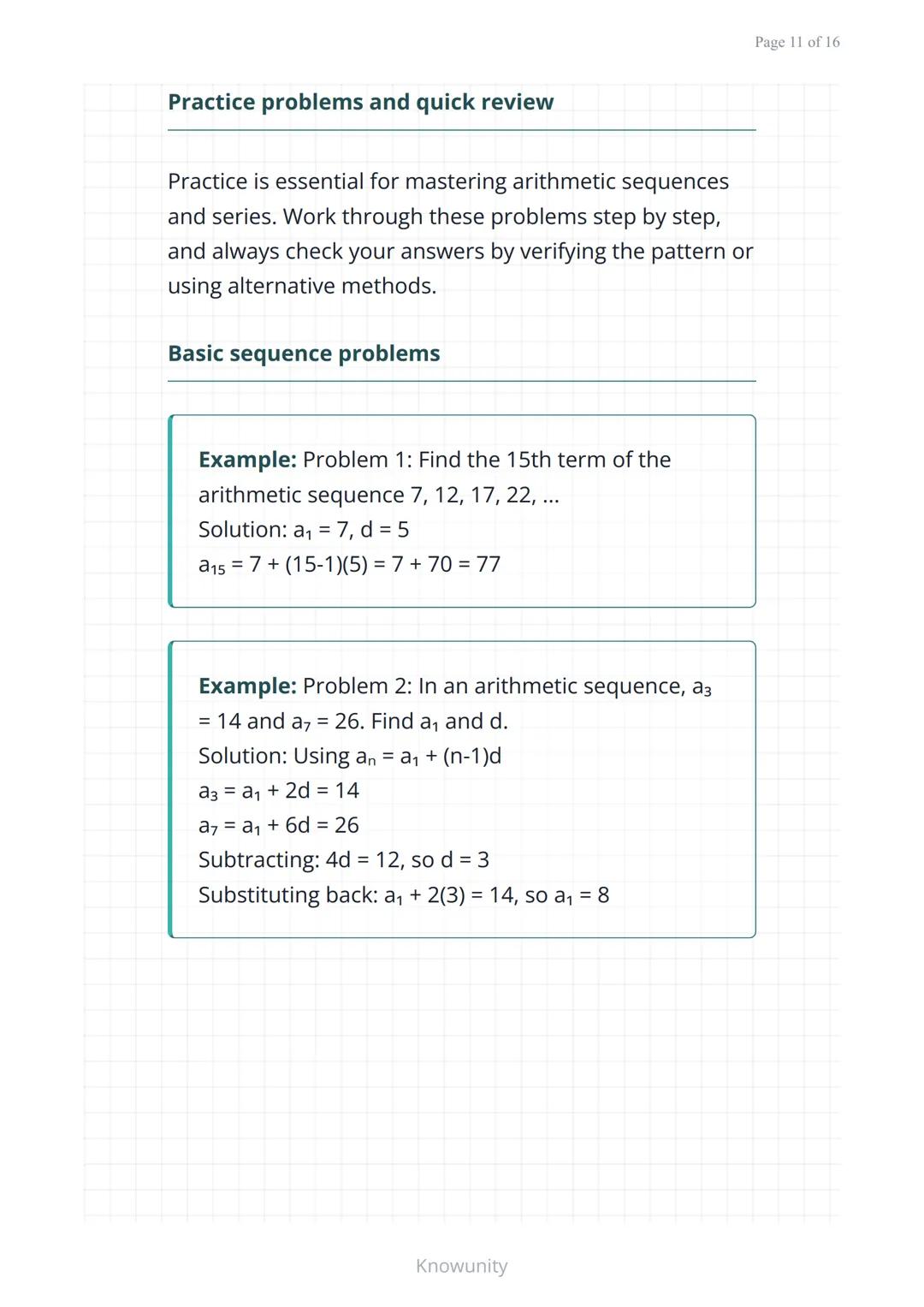
These aren't just textbook concepts - arithmetic sequences appear everywhere in business, construction, and daily life. The key is recognizing the patterns and applying the right approach.
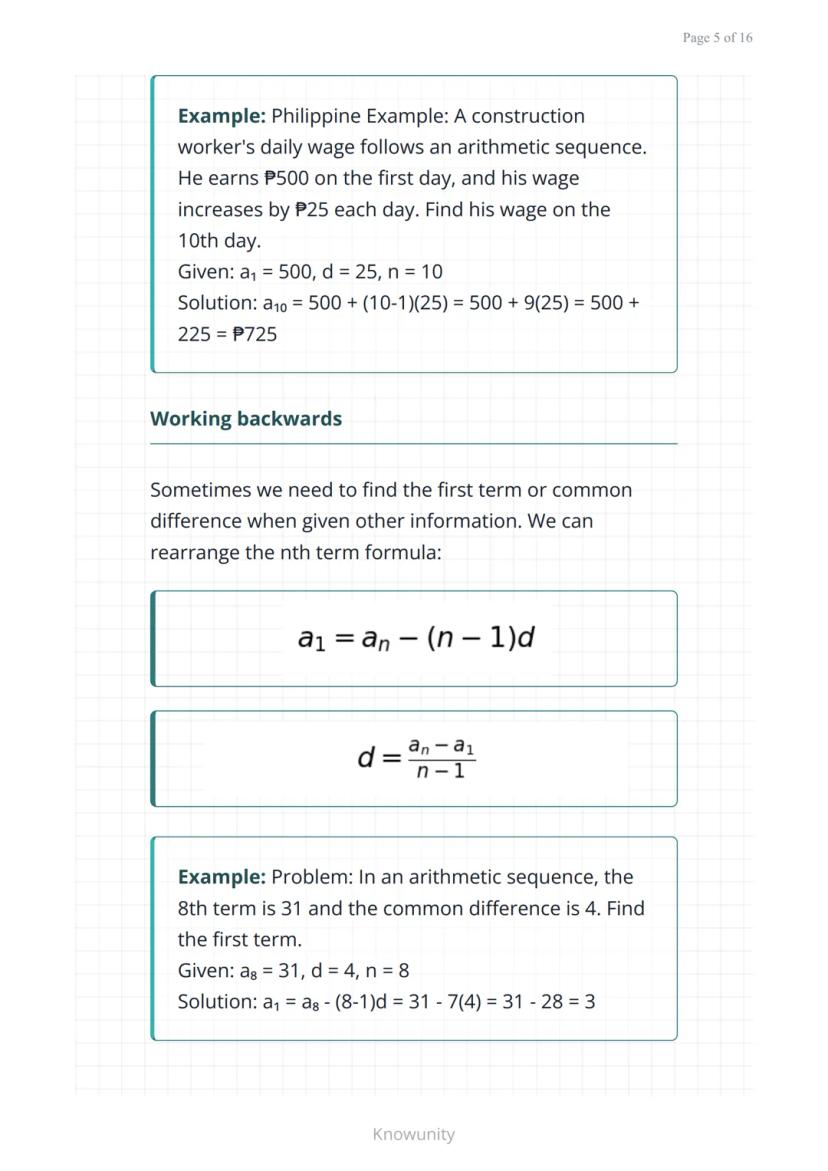
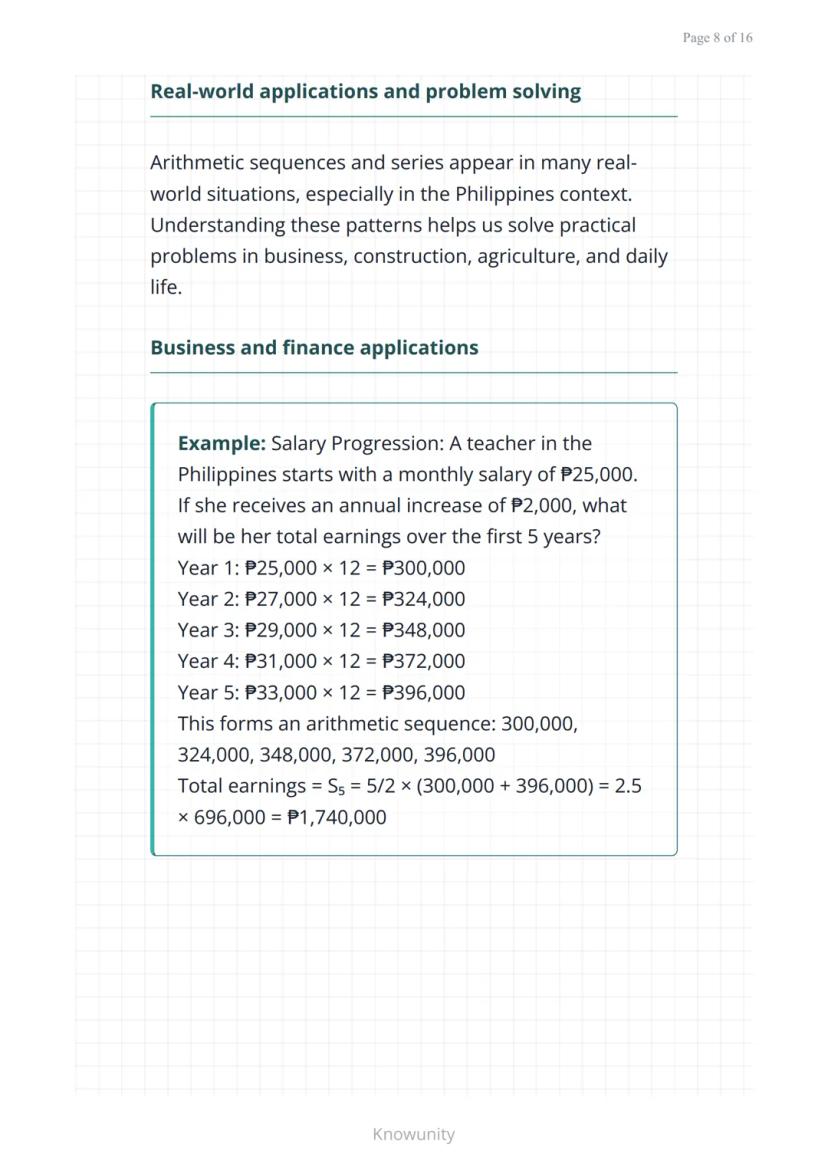
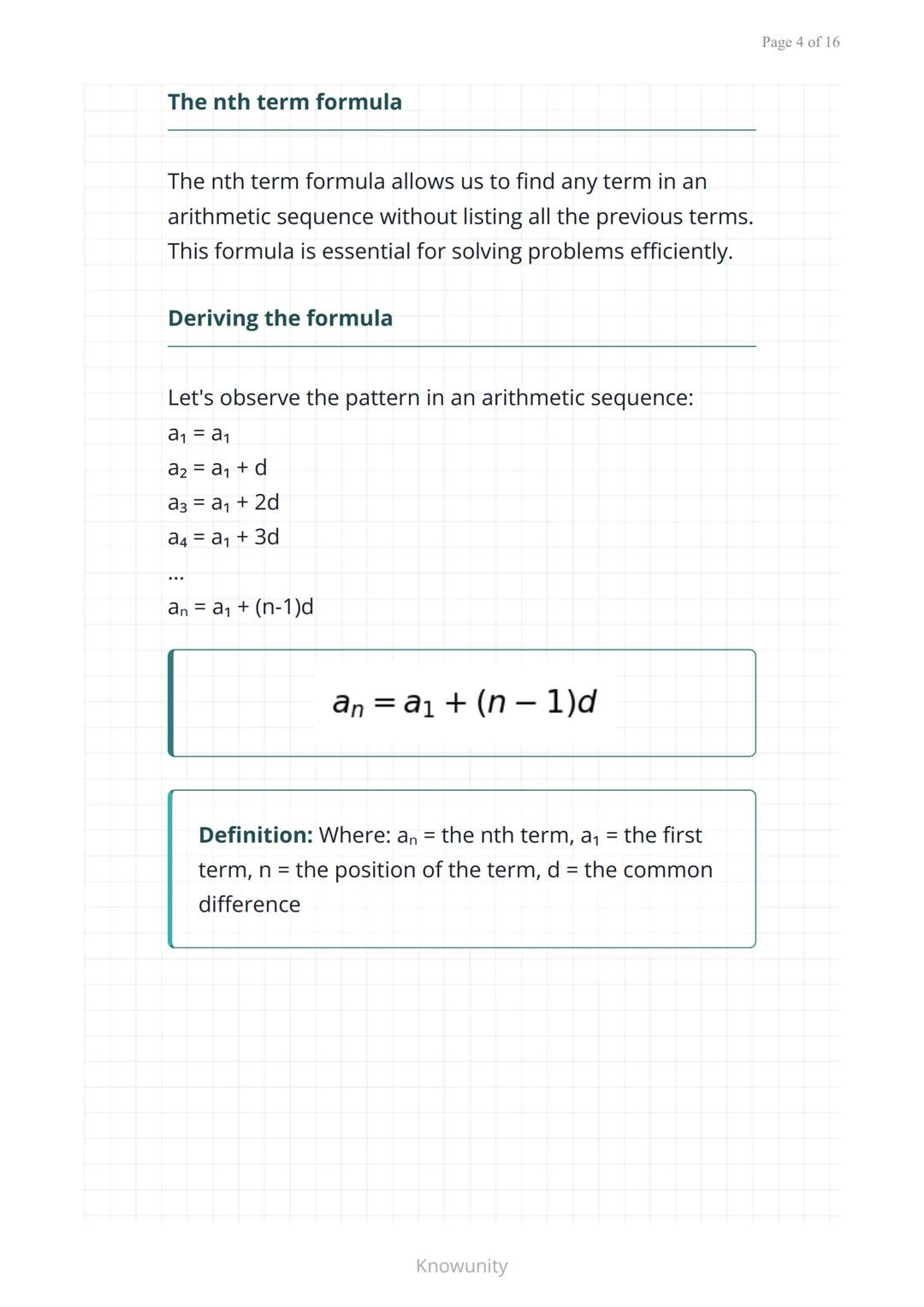
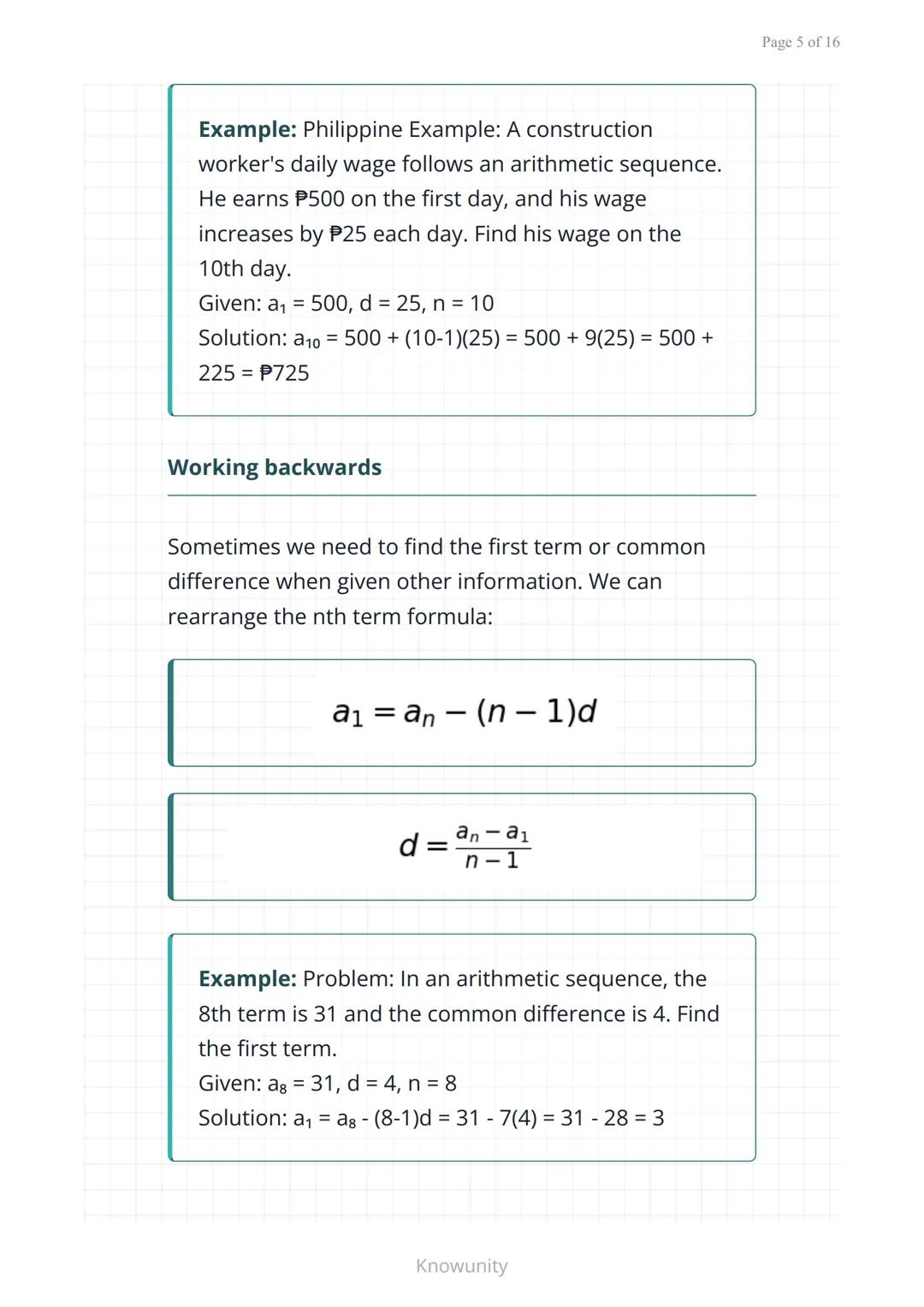
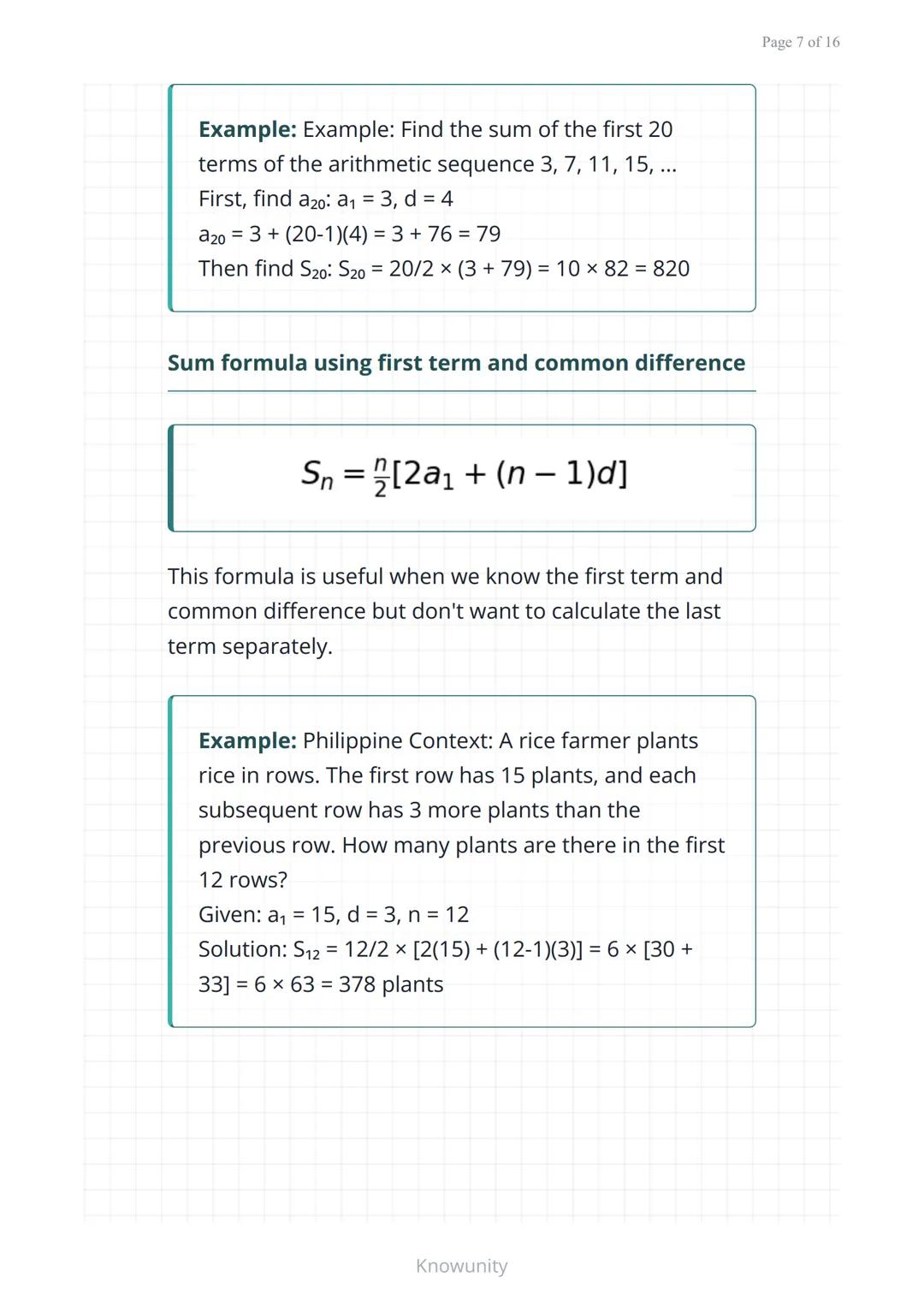
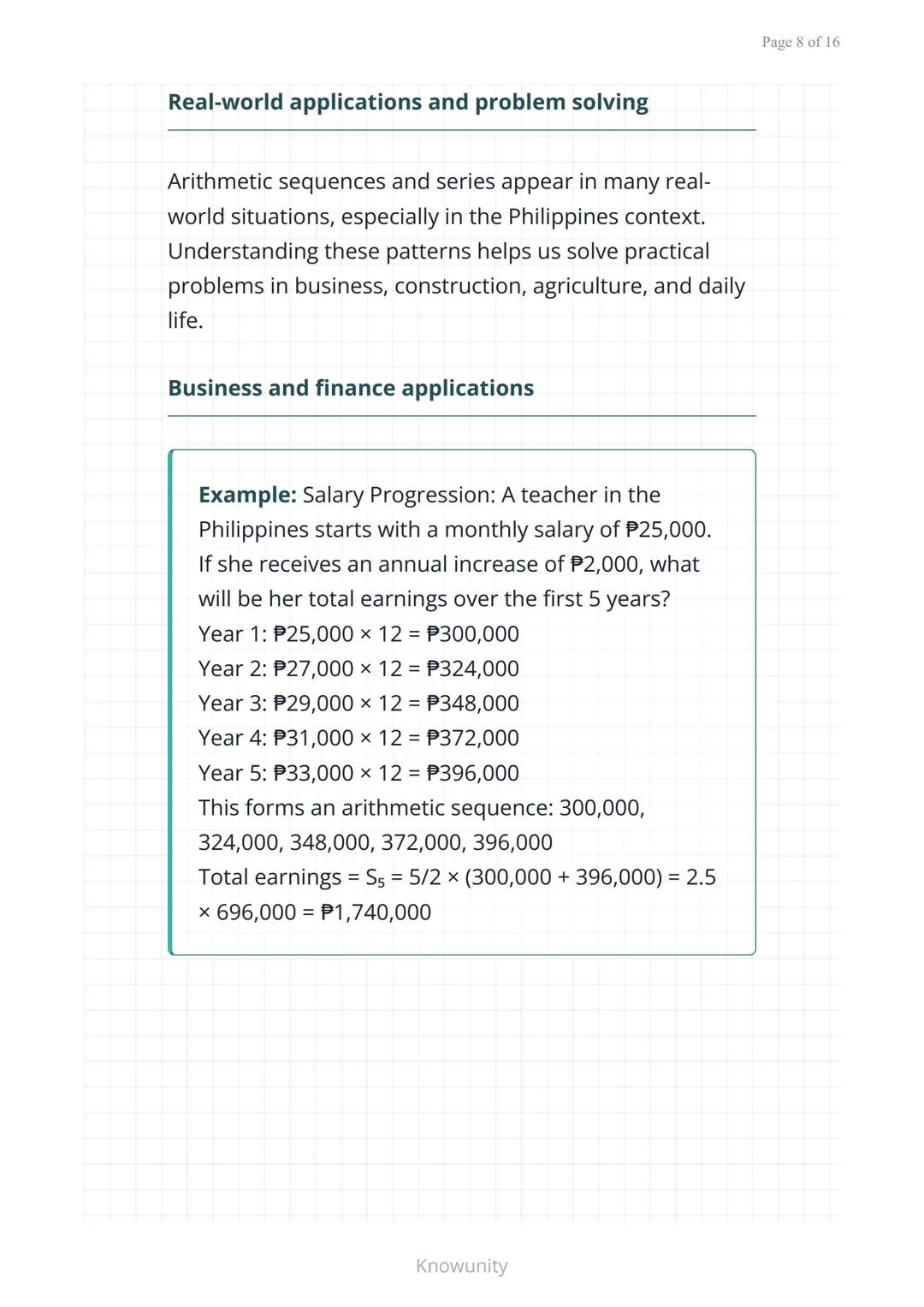
For salary problems, think about annual increases. A teacher starting at £25,000 with £2,000 yearly increases creates an arithmetic sequence for total yearly earnings. Over 5 years, you'd calculate each year's total salary, then sum them up.
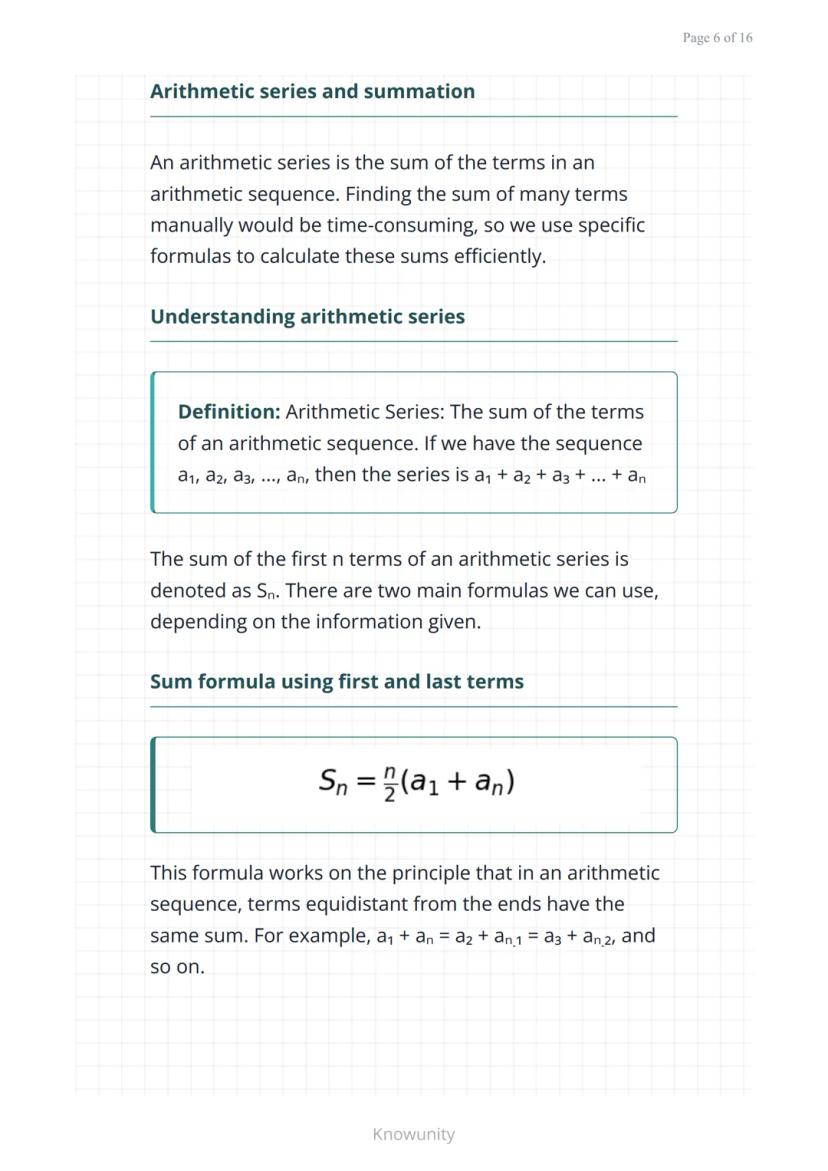
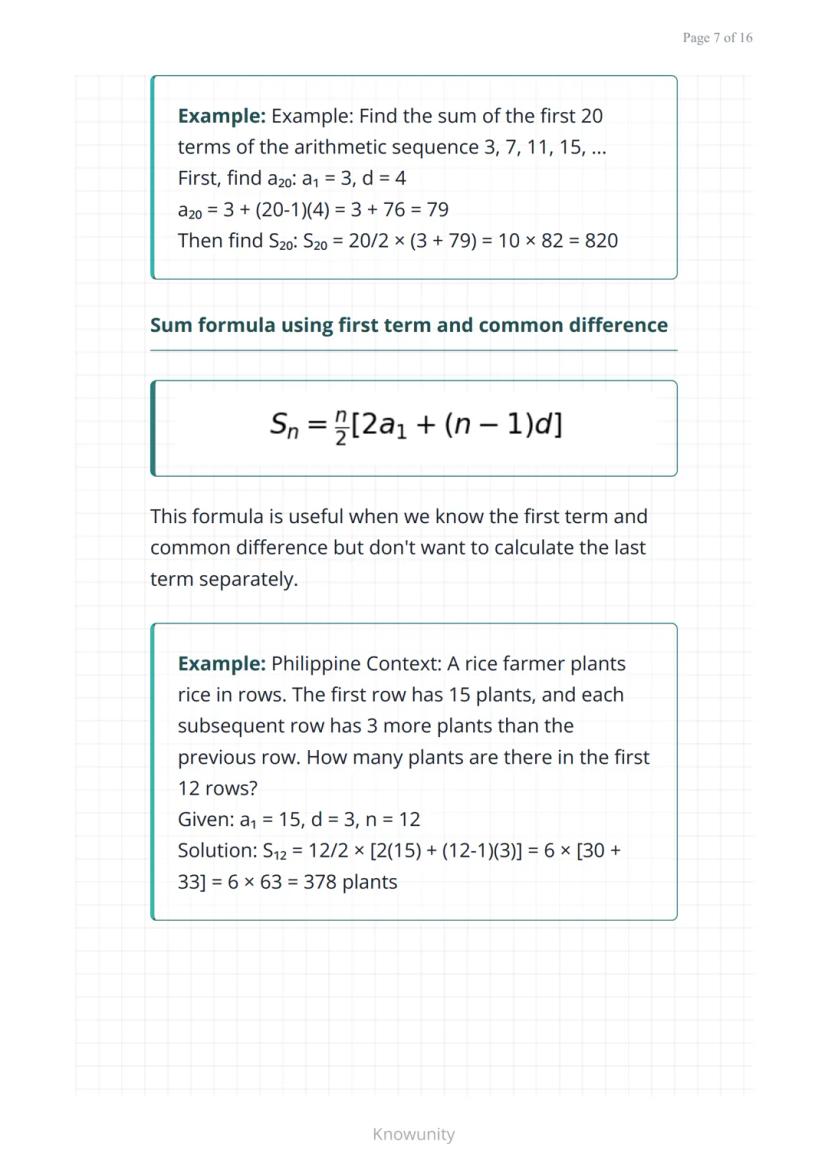
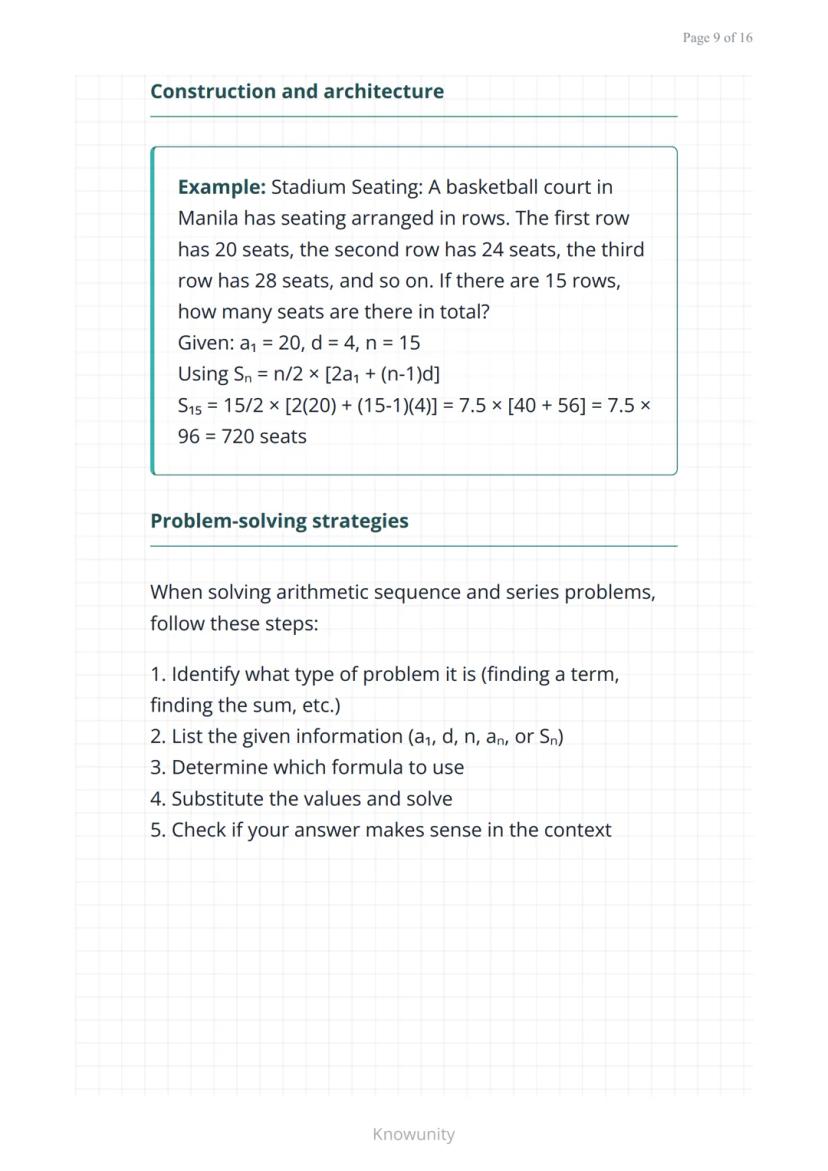
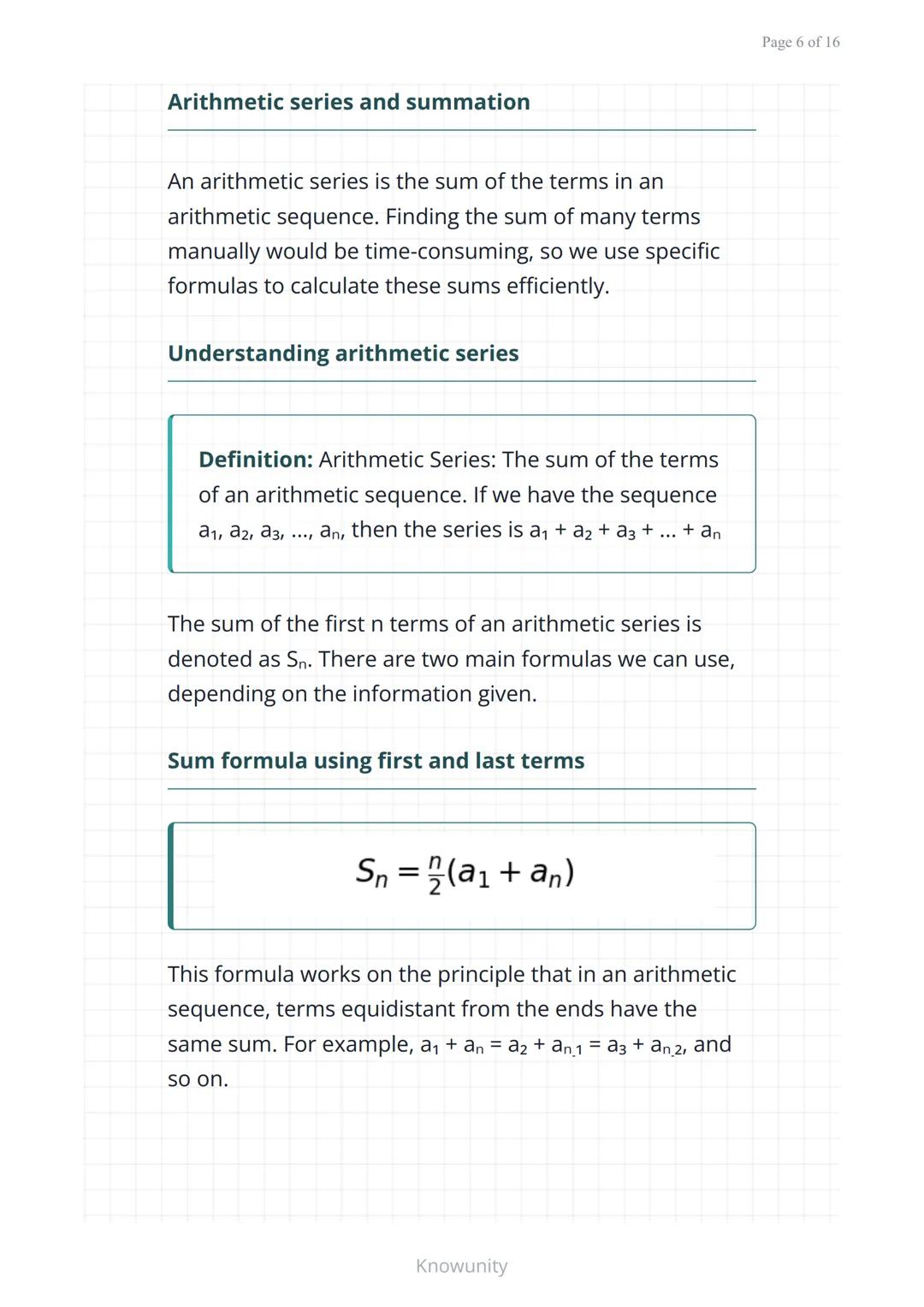
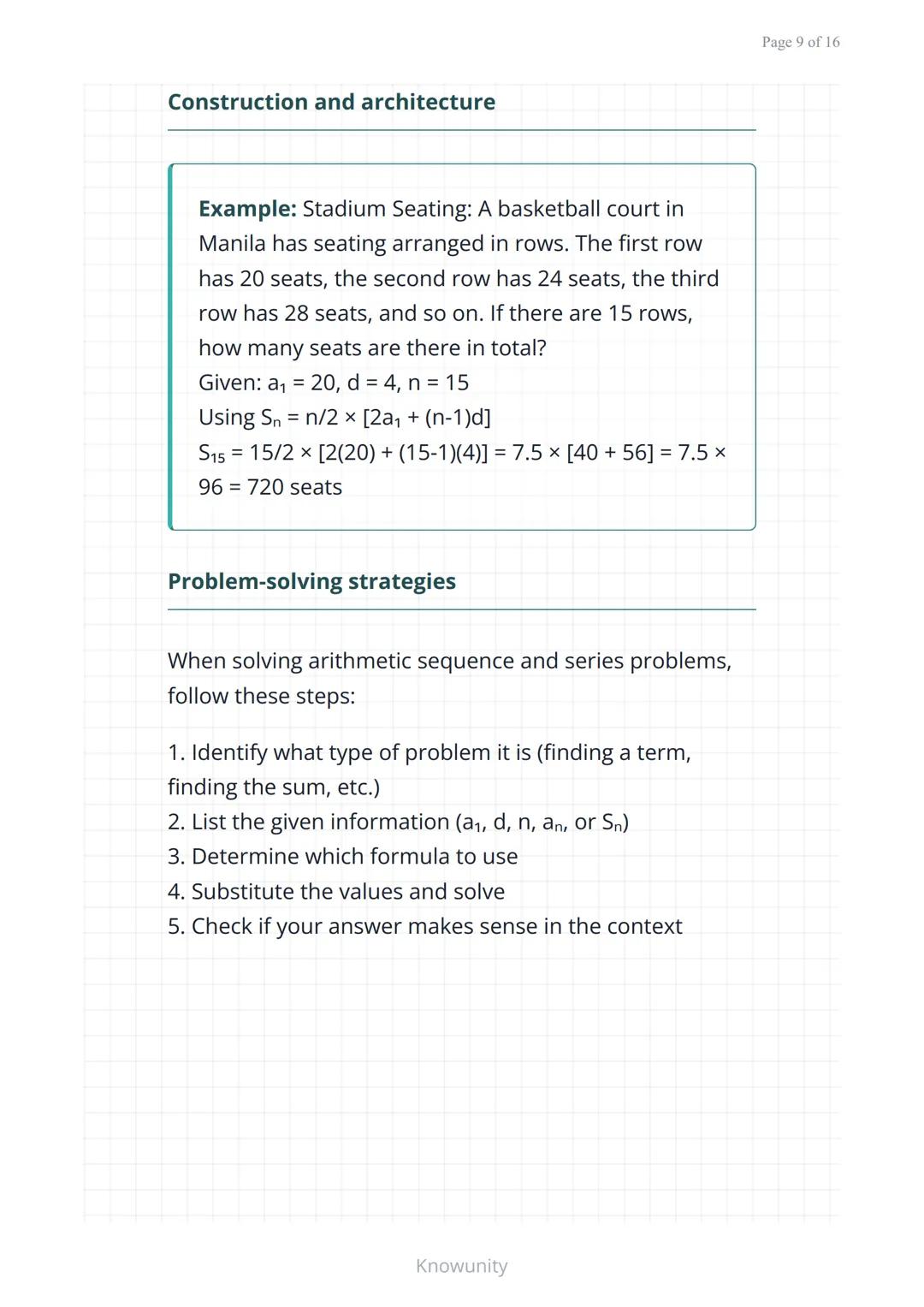
Stadium seating is another classic example. If the first row has 20 seats and each row adds 4 more seats, you can find the total capacity using the series formula instead of counting every single seat.
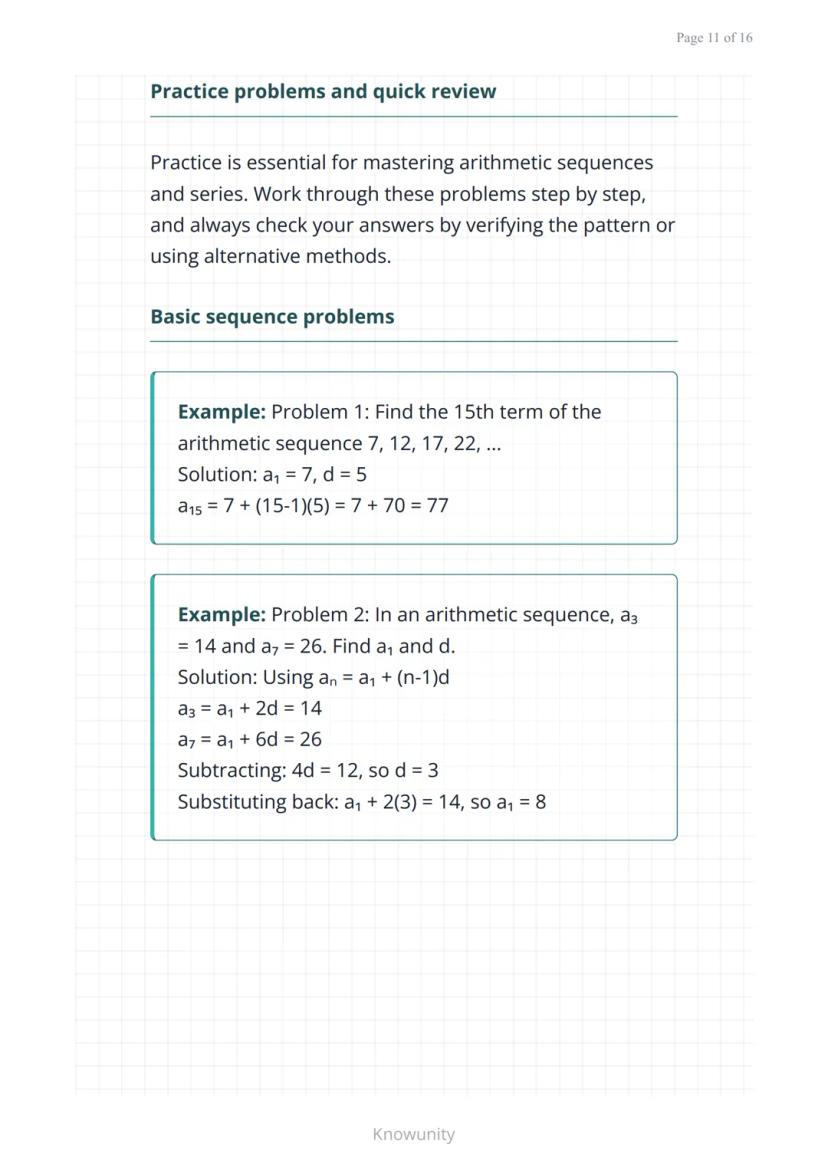
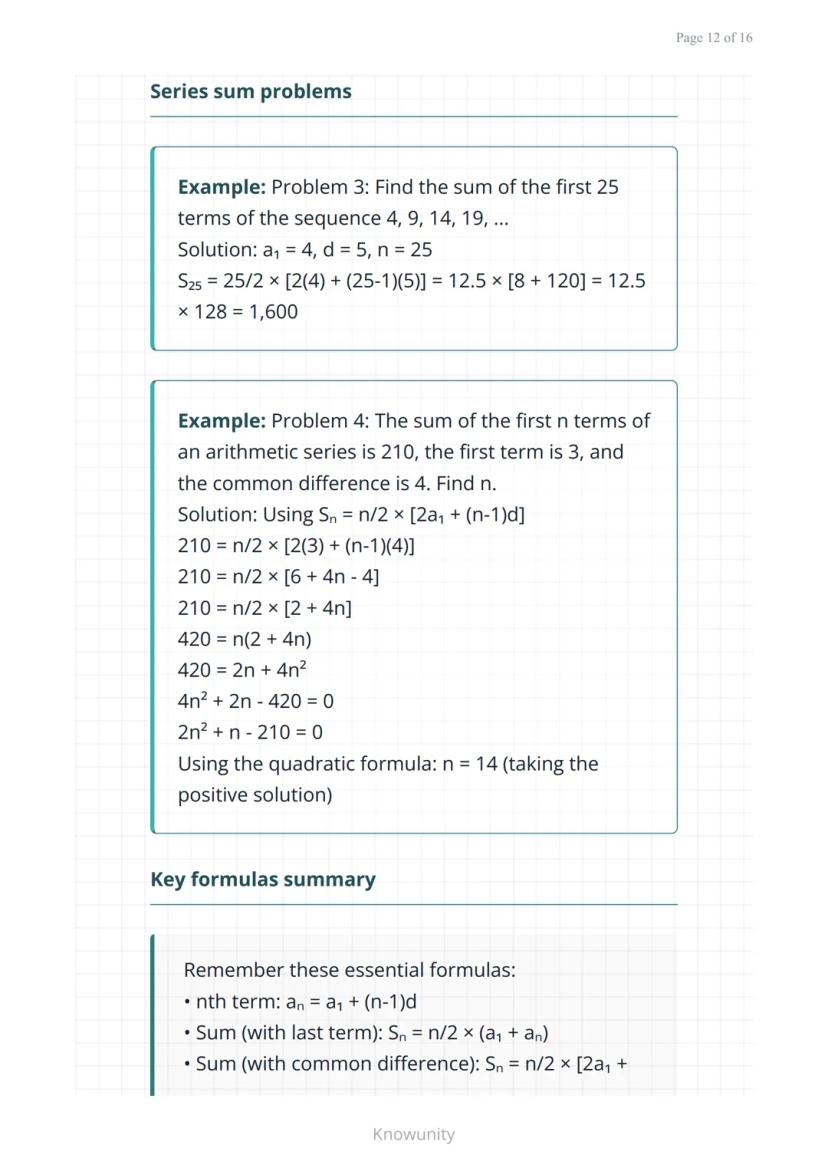
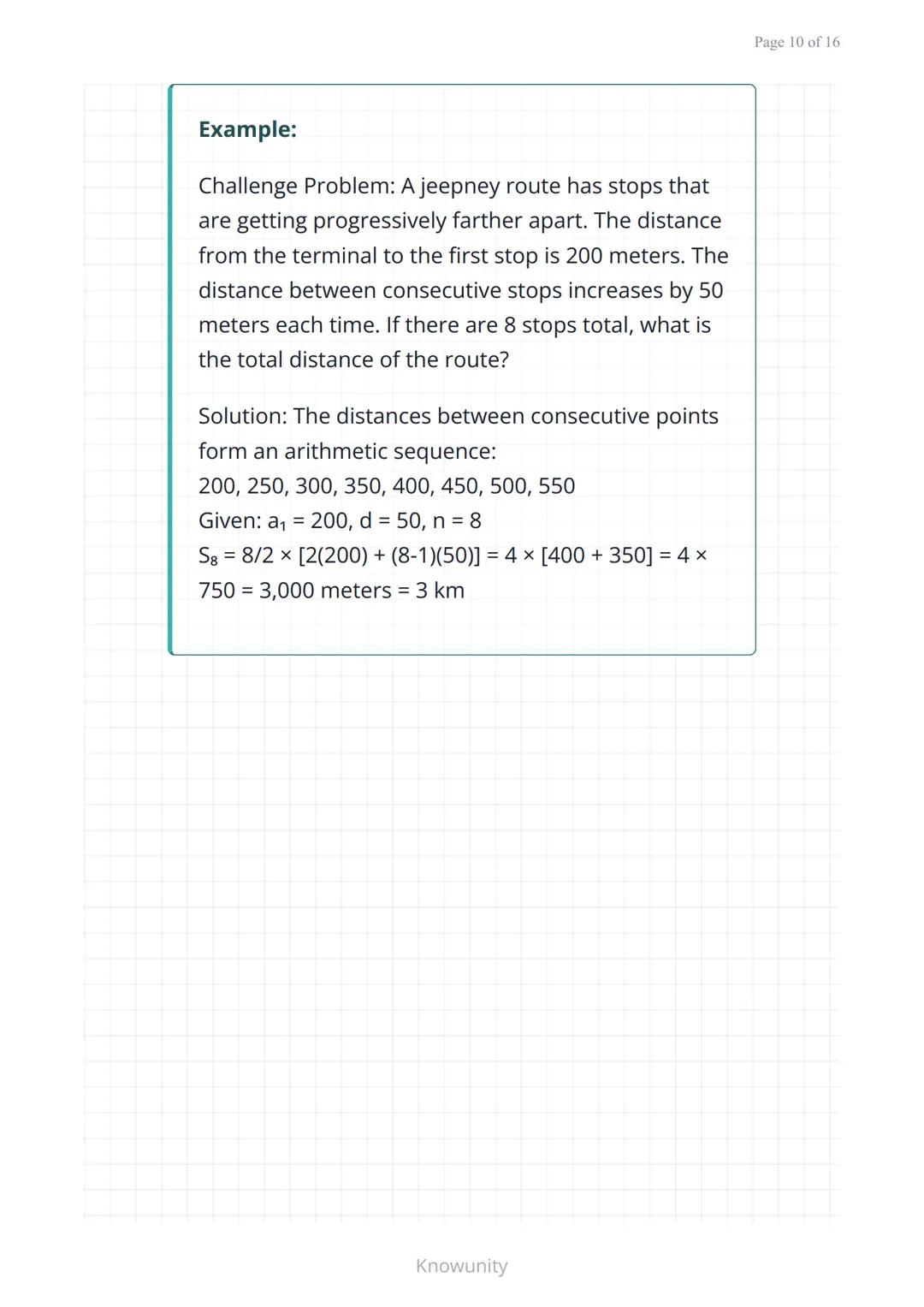
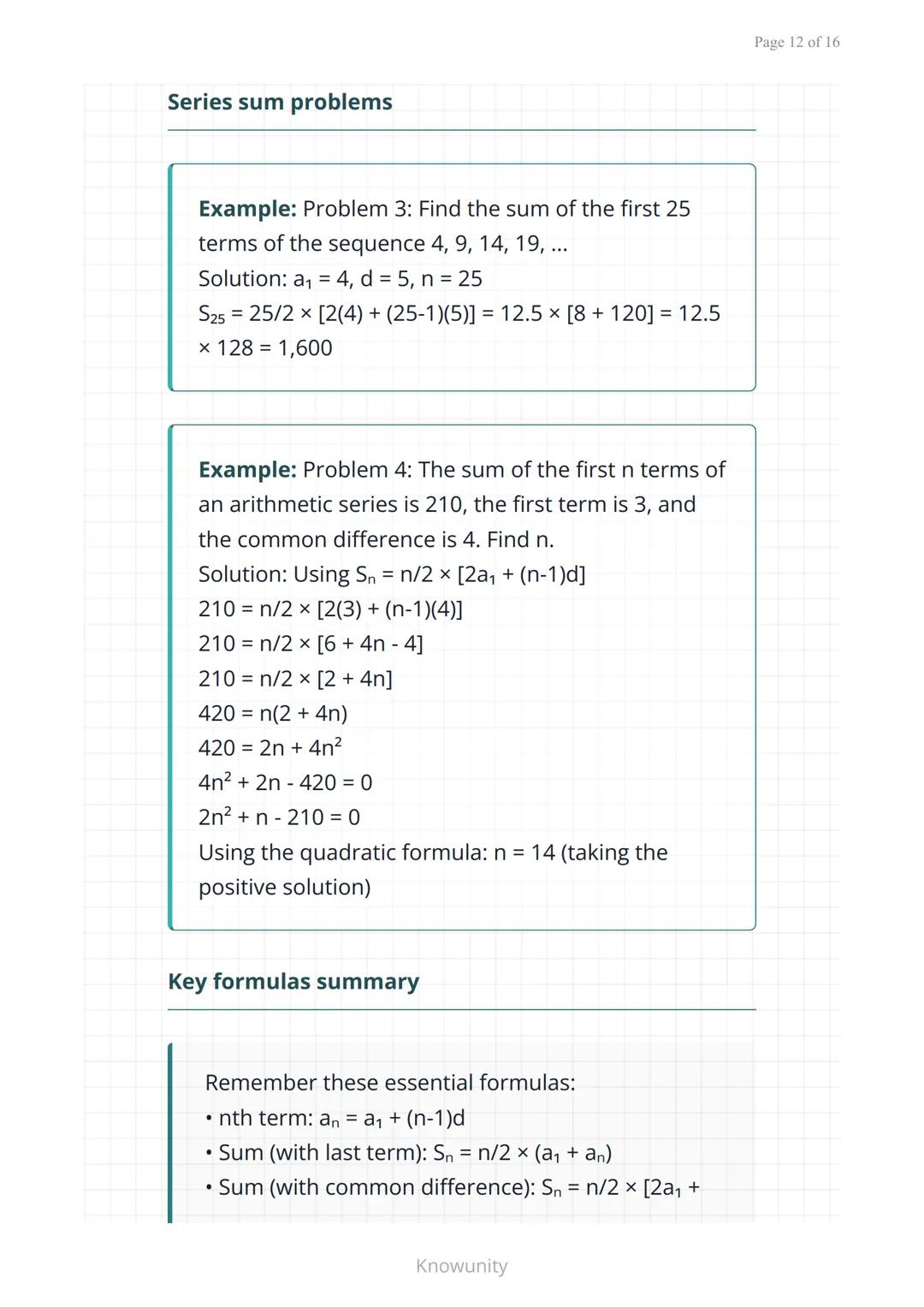
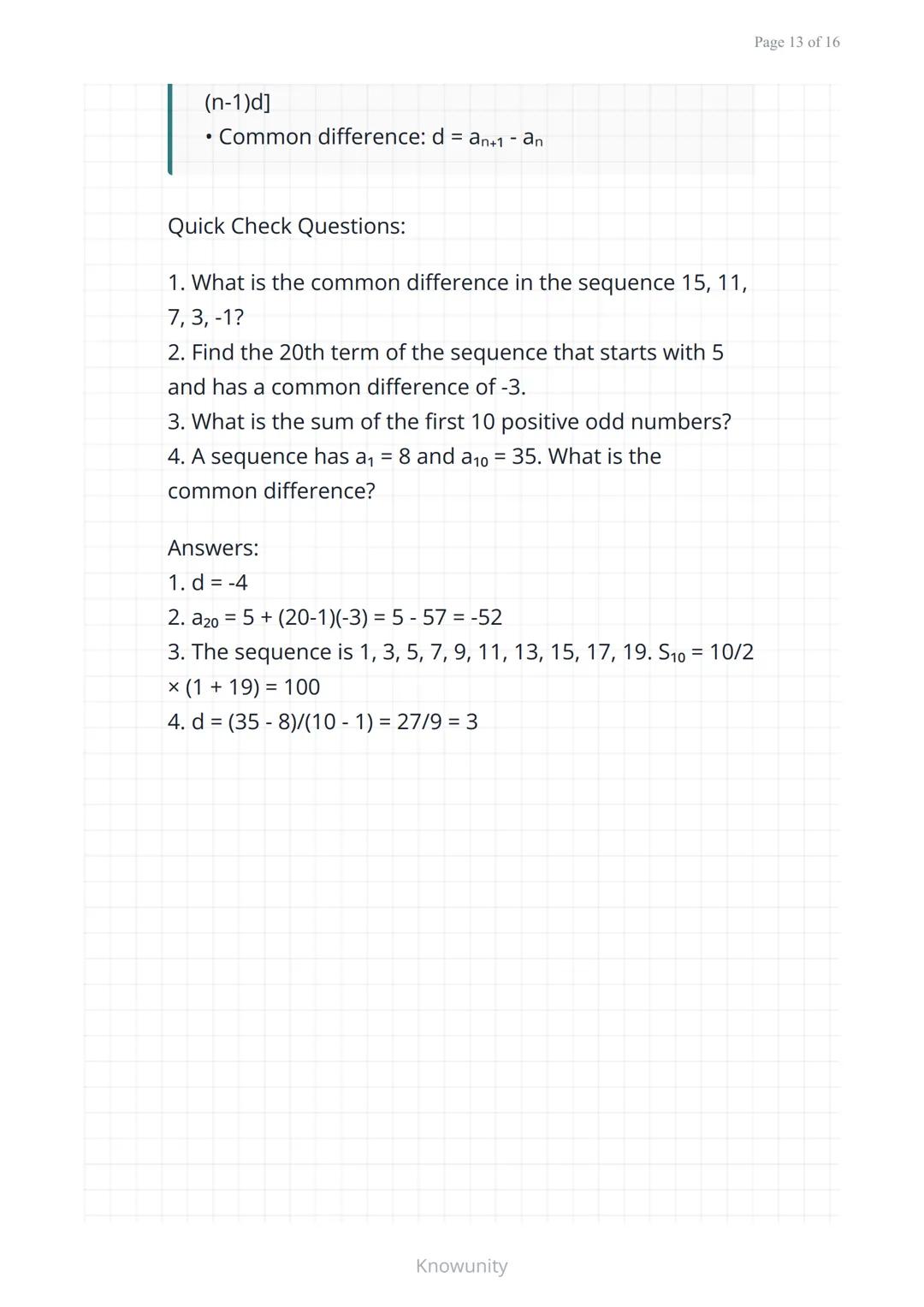
When tackling these problems, always identify what you're looking for first, list your known information, choose the appropriate formula, substitute your values, and check that your answer makes sense in context.
Success strategy: Real-world problems often hide the sequence pattern in a story - your job is to extract the mathematical relationships!






 GenMath
 Science
 Econ
Econ Iba pa
 Filipino
 Social Studies