Plant Tissues and Cell Modifications
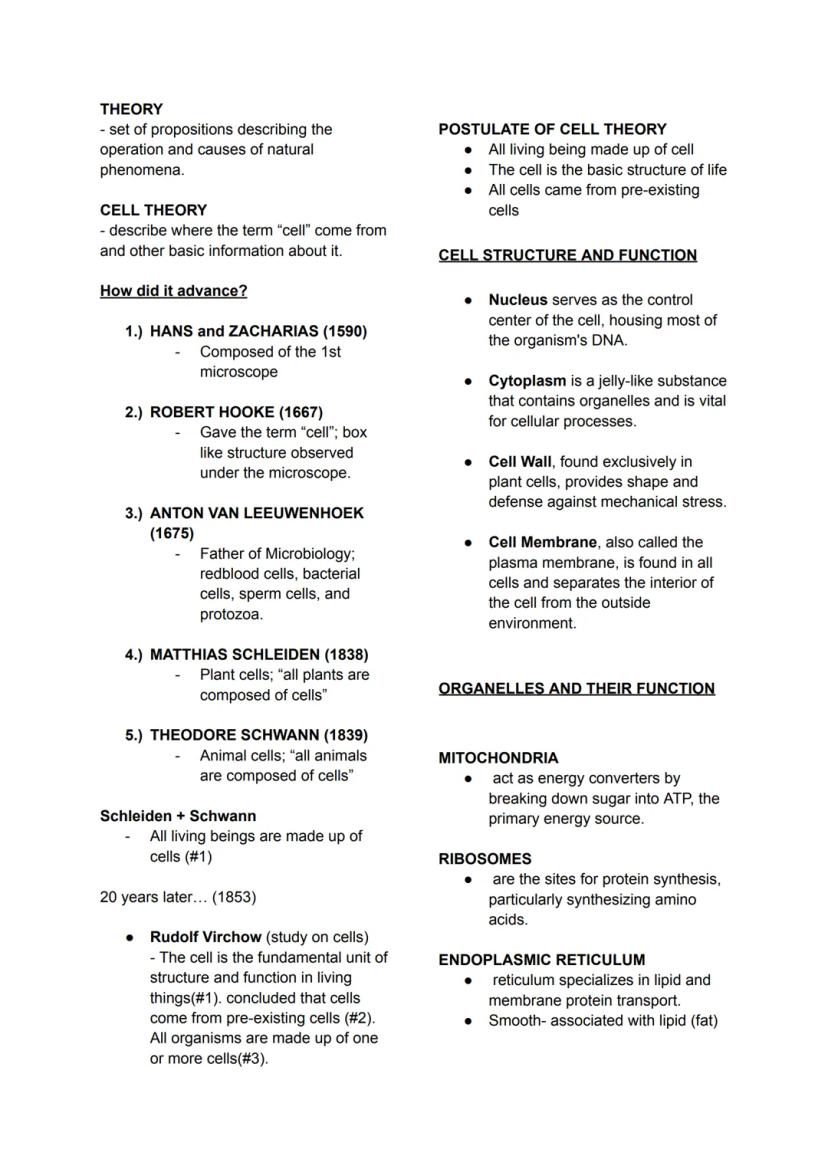
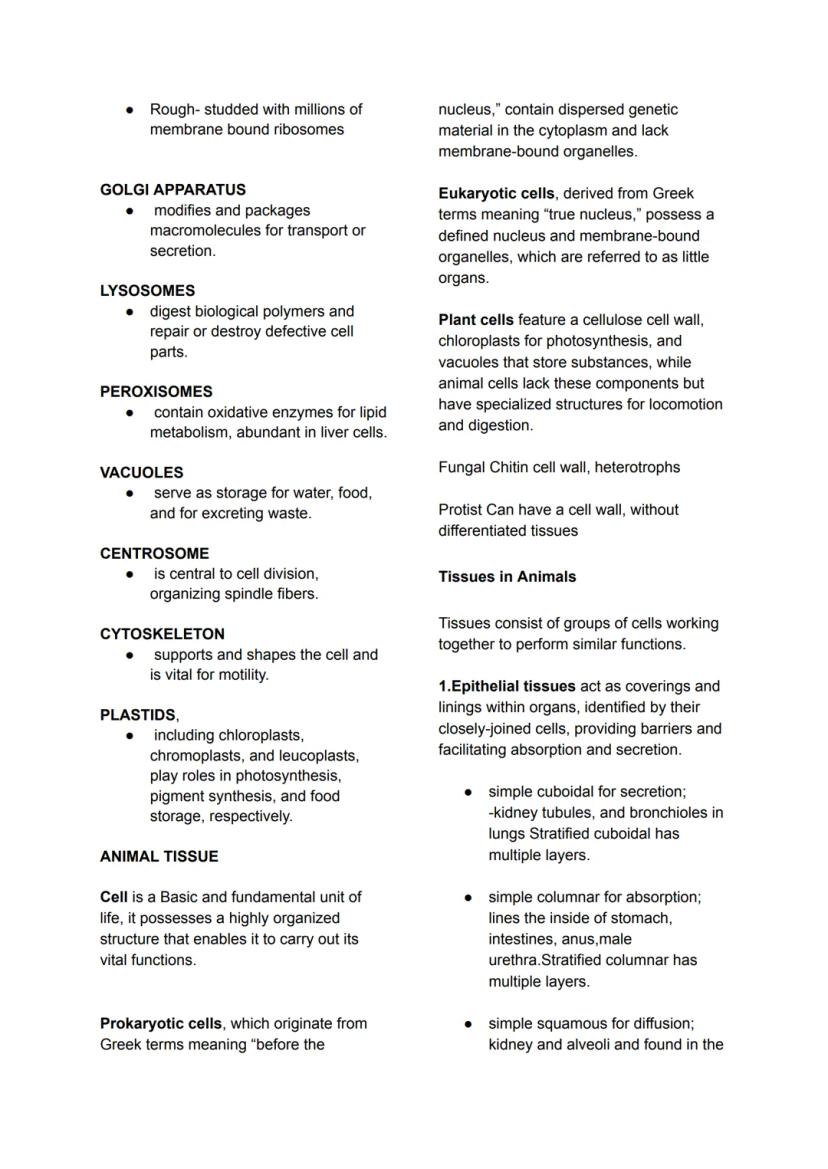
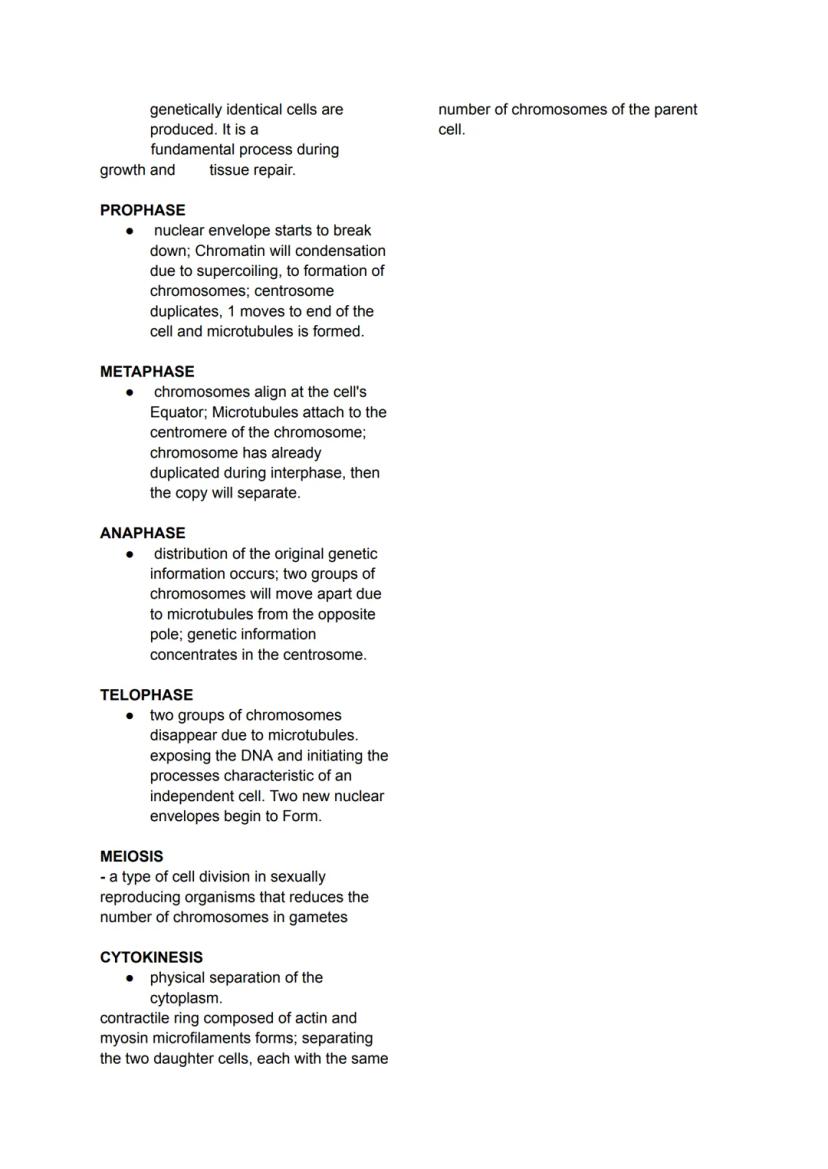
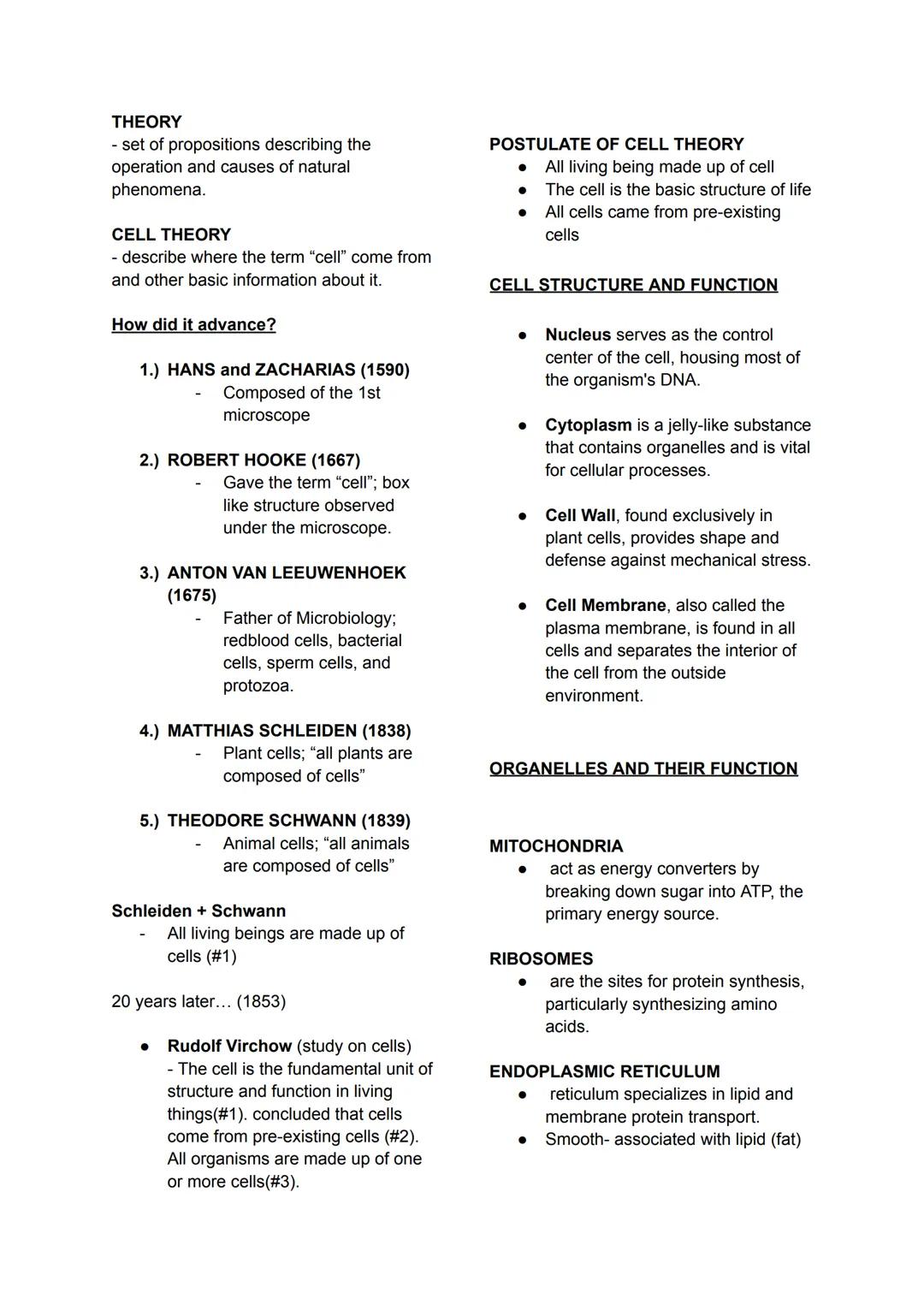
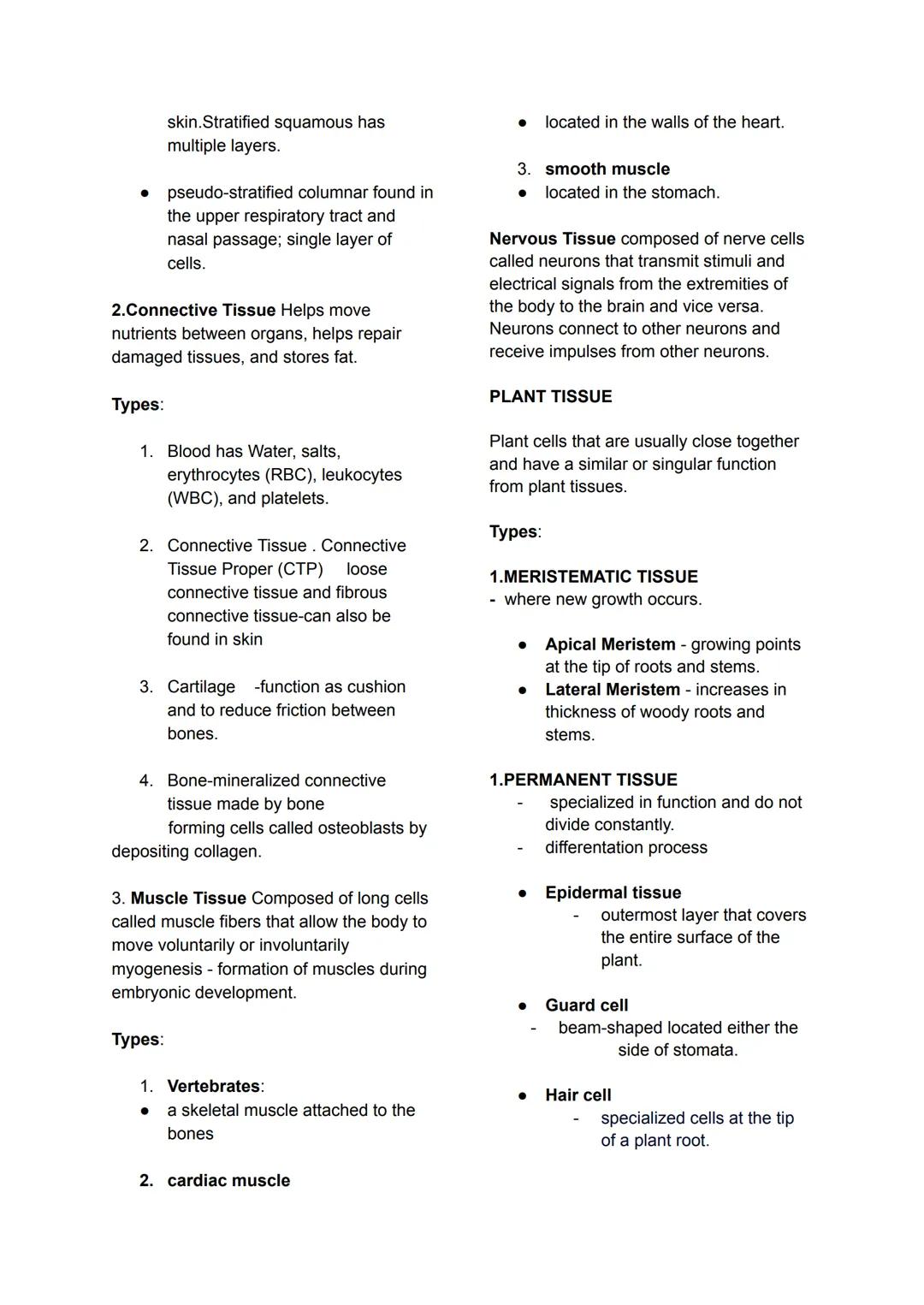
Plants organize their tissues differently than animals. Meristematic tissues are growth zones where new cells constantly form - apical meristems make plants taller, while lateral meristems make them thicker.
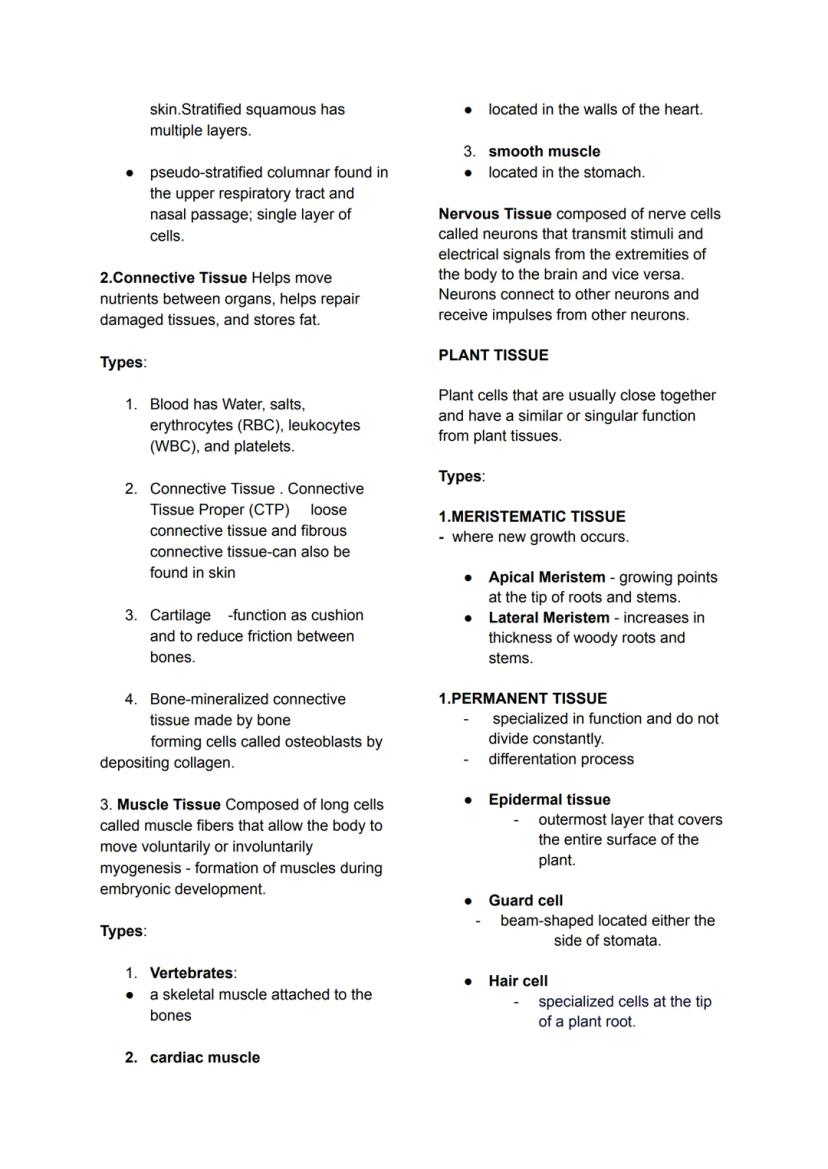
Permanent tissues have specialized jobs and don't divide much. Epidermal tissue covers the plant's surface, while vascular tissues (xylem and phloem) transport water and nutrients like a plant's circulatory system.
Guard cells control tiny pores called stomata, regulating gas exchange. Ground tissue fills the plant body and handles support, storage, and photosynthesis.
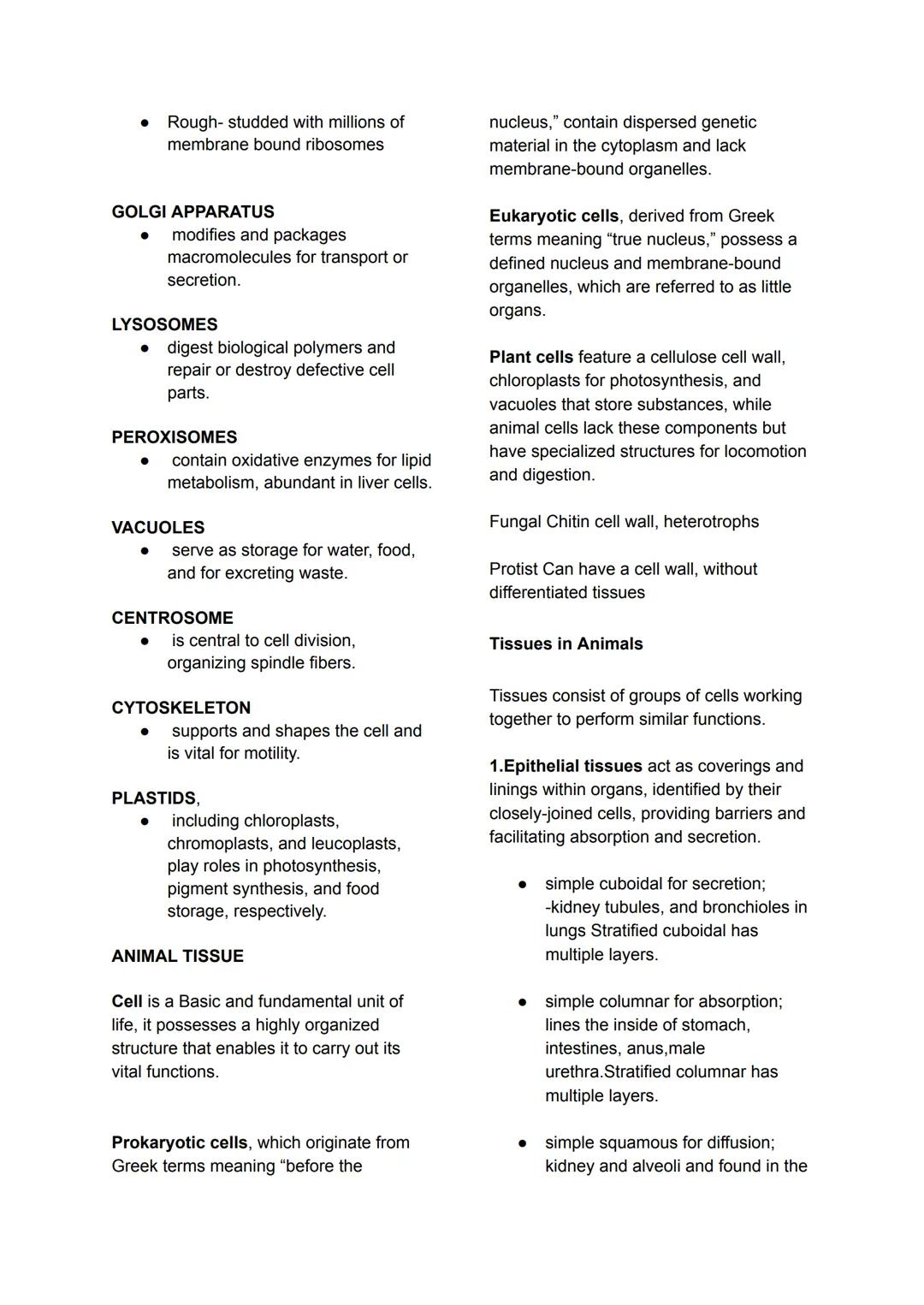
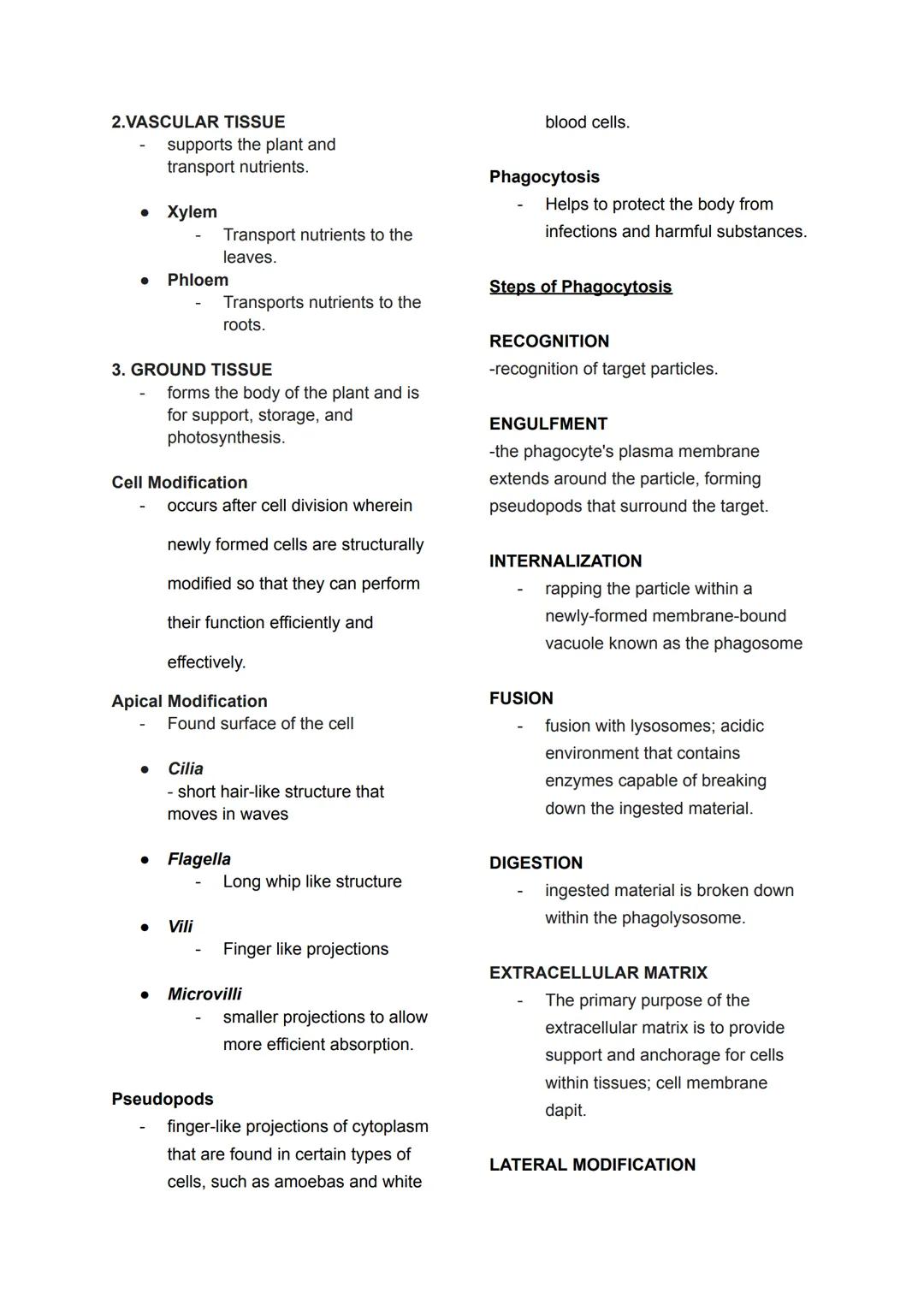
Cells can modify their surfaces for better function. Cilia are short hair-like structures that move in waves, flagella are long whip-like structures for movement, and villi create finger-like projections for better absorption.
Cool Fact: Your intestines have millions of tiny villi and microvilli that increase surface area for nutrient absorption - it's like having a built-in amplification system for digestion!
Cell Connections and Communication
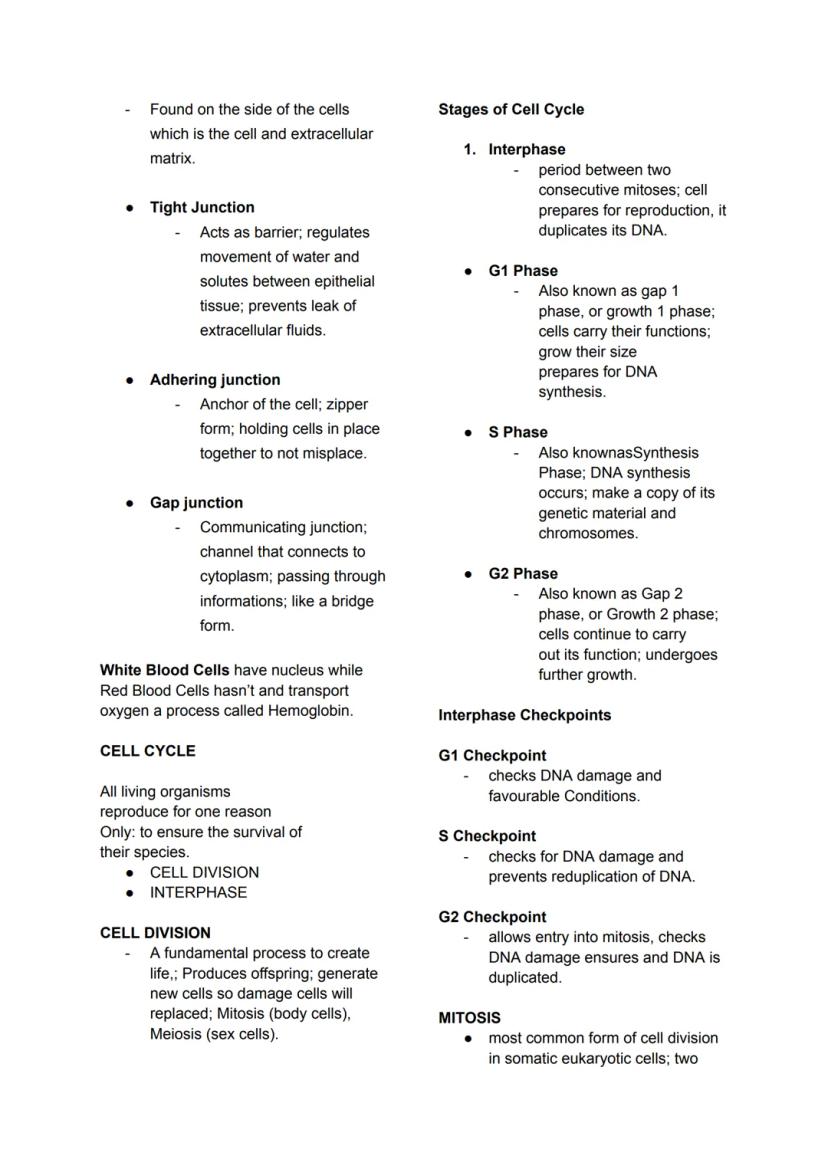
Lateral modifications help cells stick together and communicate. Tight junctions act like waterproof seals between cells, preventing leaks. Adhering junctions work like zippers, holding cells firmly in place.
Gap junctions are communication channels that let cells share information directly - think of them as tiny bridges connecting cell interiors. This teamwork is essential for coordinated tissue function.
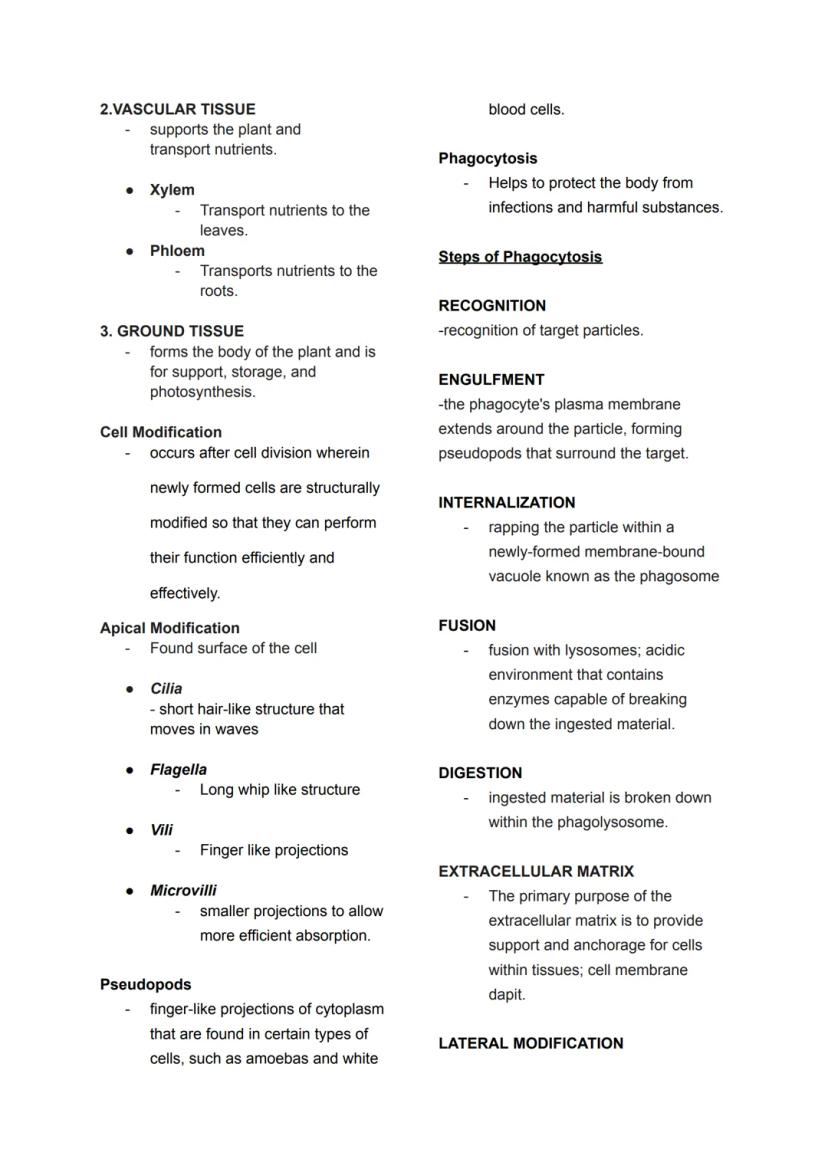
Phagocytosis is how cells eat - they recognize targets, engulf them with pseudopods, internalize them in vacuoles, fuse with lysosomes, and digest the material. White blood cells use this process to fight infections.




 GenBio
 Araling Panlipunan (AP)
 Iba pa
 Practical Research
 DISS
DISS