
Cells are the building blocks of life, serving as the... Ipakita pa
 Science
 GenChem
 Iba pa
 Filipino
 Econ
EconMag-sign up para makita ang contentLibre ito!
Access sa lahat ng dokumento
Pagbutihin ang iyong mga grado
Sumali sa milyong mga estudyante
Knowunity AI
Higit pa
Mga Asignatura
Triangle Congruence and Similarity Theorems
Triangle Properties and Classification
Linear Equations and Graphs
Geometric Angle Relationships
Trigonometric Functions and Identities
Equation Solving Techniques
Circle Geometry Fundamentals
Division Operations and Methods
Basic Differentiation Rules
Exponent and Logarithm Properties
Ipakita lahat ng paksa
Human Organ Systems
Reproductive Cell Cycles
Biological Sciences Subdisciplines
Cellular Energy Metabolism
Autotrophic Energy Processes
Inheritance Patterns and Principles
Biomolecular Structure and Organization
Cell Cycle and Division Mechanics
Cellular Organization and Development
Biological Structural Organization
Ipakita lahat ng paksa
Chemical Sciences and Applications
Atomic Structure and Composition
Molecular Electron Structure Representation
Atomic Electron Behavior
Matter Properties and Water
Mole Concept and Calculations
Gas Laws and Behavior
Periodic Table Organization
Chemical Thermodynamics Fundamentals
Chemical Bond Types and Properties
Ipakita lahat ng paksa
European Renaissance and Enlightenment
European Cultural Movements 800-1920
American Revolution Era 1763-1797
American Civil War 1861-1865
Global Imperial Systems
Mongol and Chinese Dynasties
U.S. Presidents and World Leaders
Historical Sources and Documentation
World Wars Era and Impact
World Religious Systems
Ipakita lahat ng paksa
Classic and Contemporary Novels
Literary Character Analysis
Rhetorical Theory and Practice
Classic Literary Narratives
Reading Analysis and Interpretation
Narrative Structure and Techniques
English Language Components
Influential English-Language Authors
Basic Sentence Structure
Narrative Voice and Perspective
Ipakita lahat ng paksa
155
•
Na-update Mar 25, 2026
•
Faith H
@faithh_o5dzt
Cells are the building blocks of life, serving as the... Ipakita pa
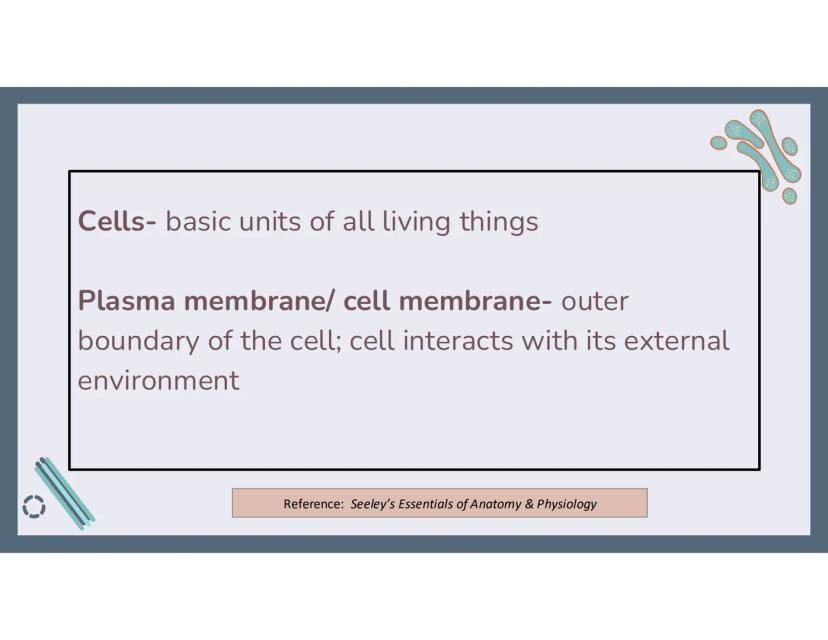
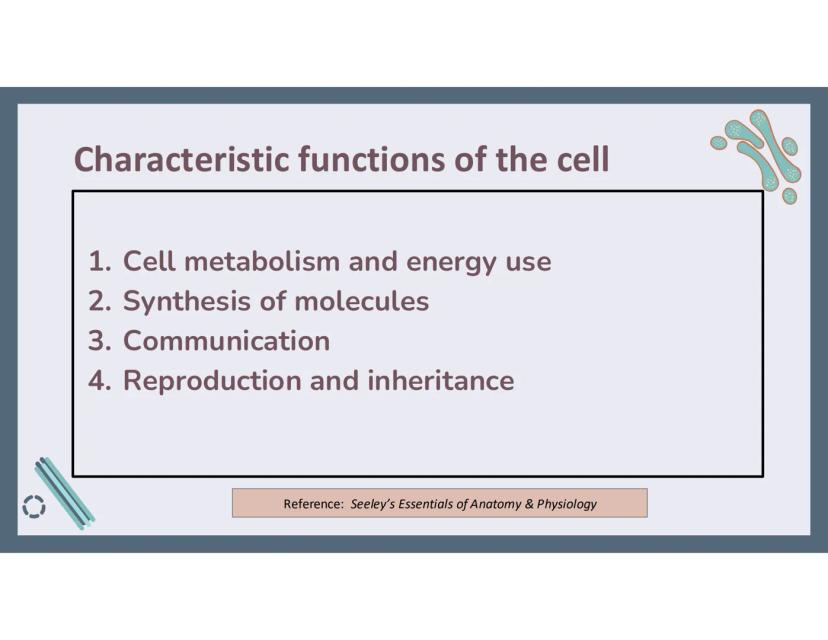
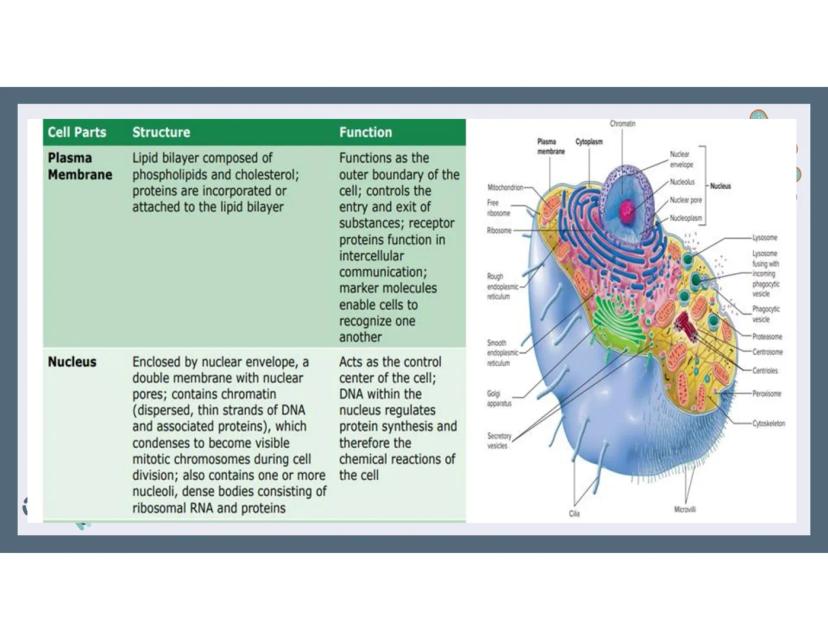
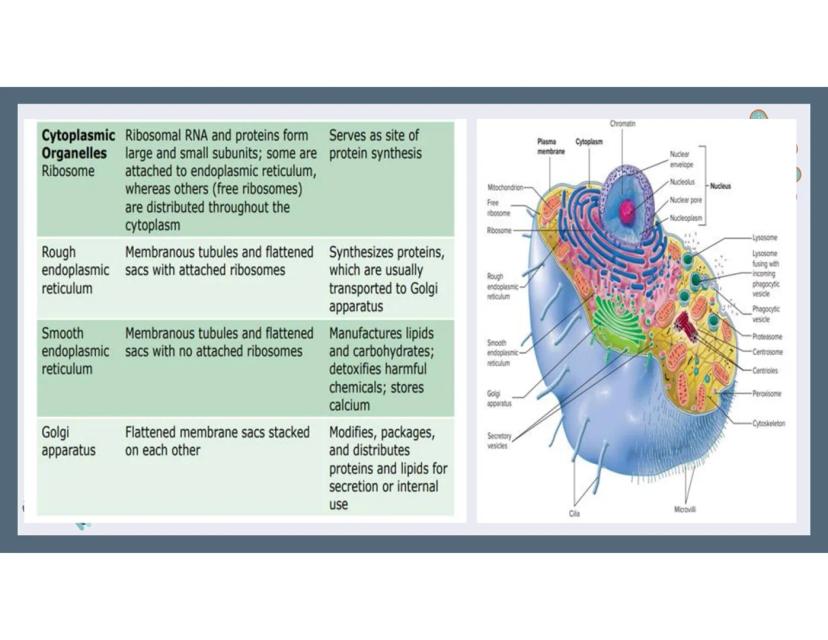
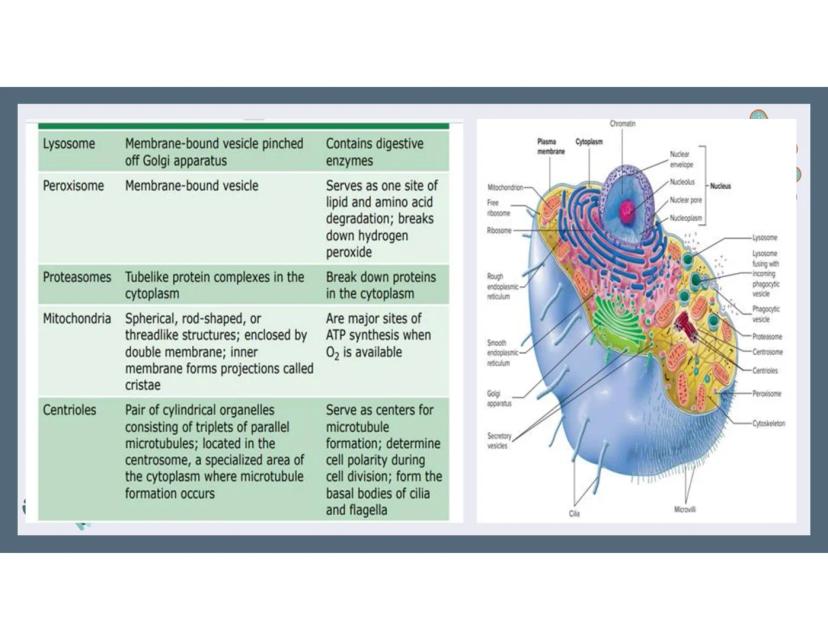
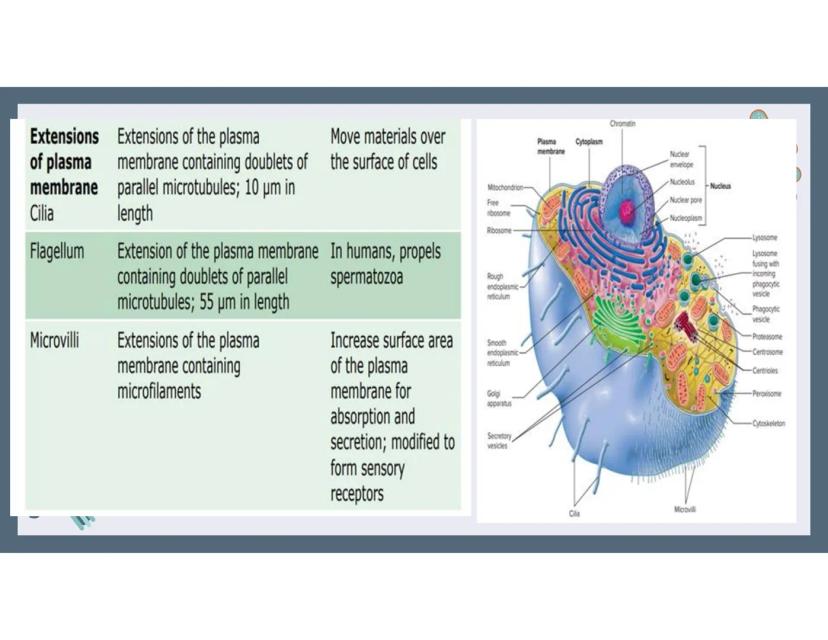
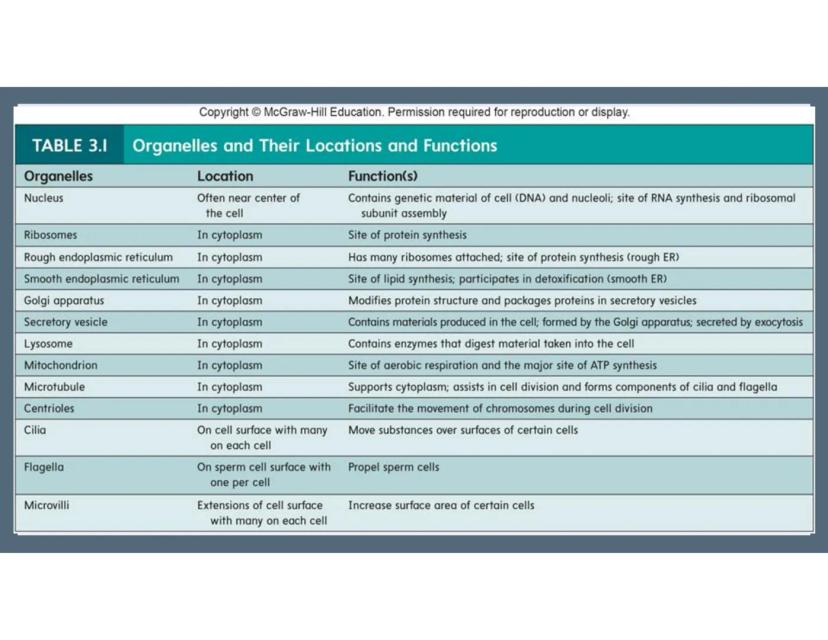
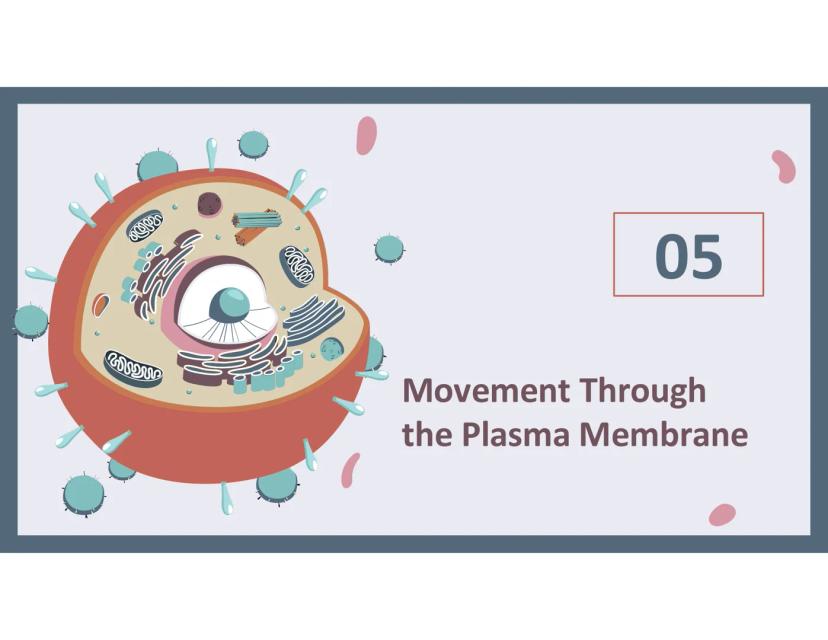
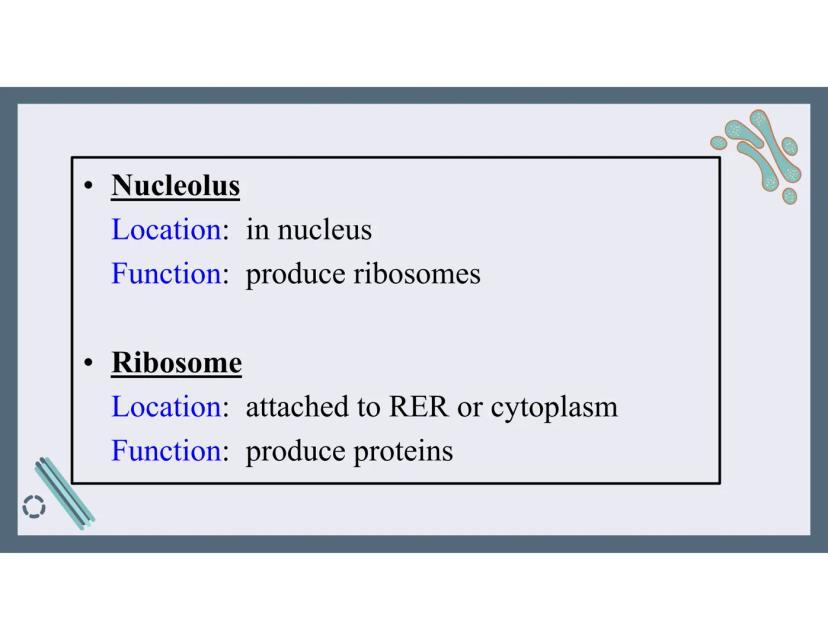
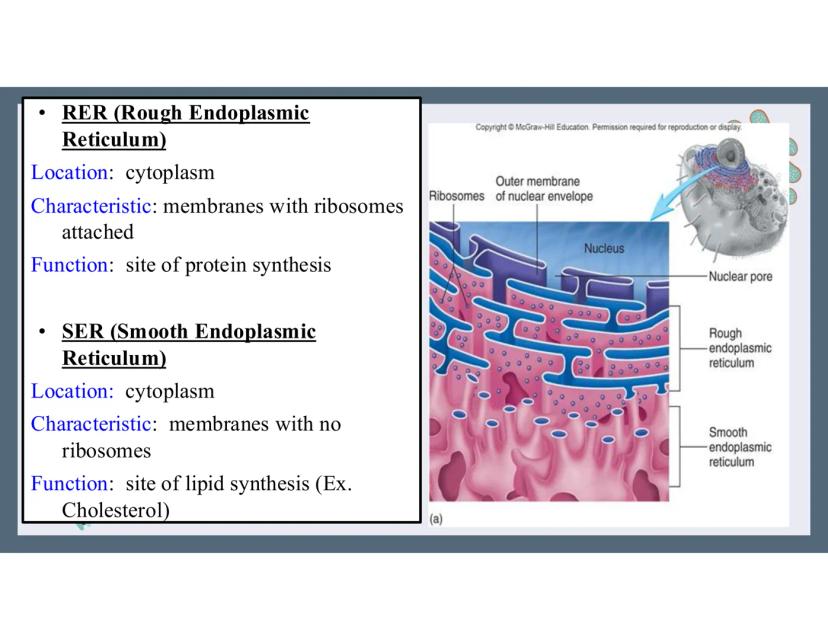
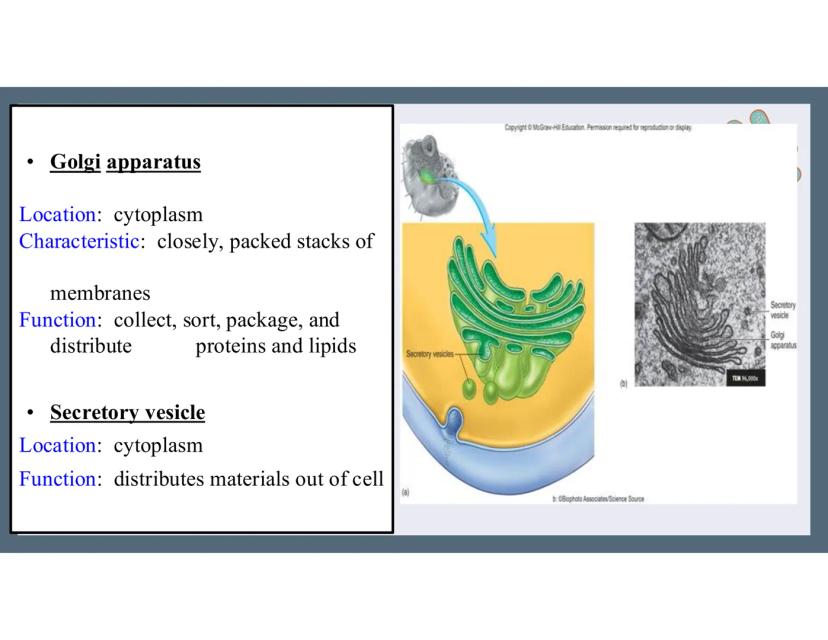
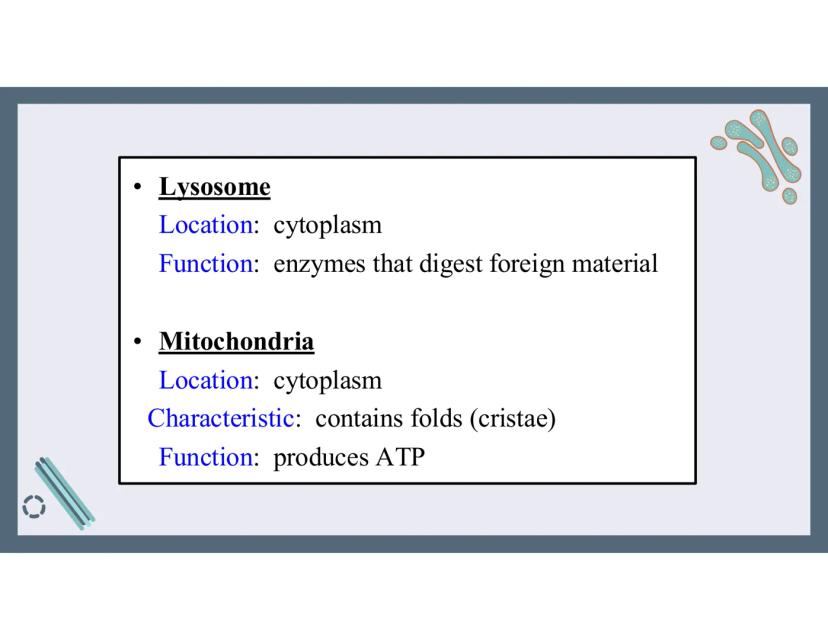
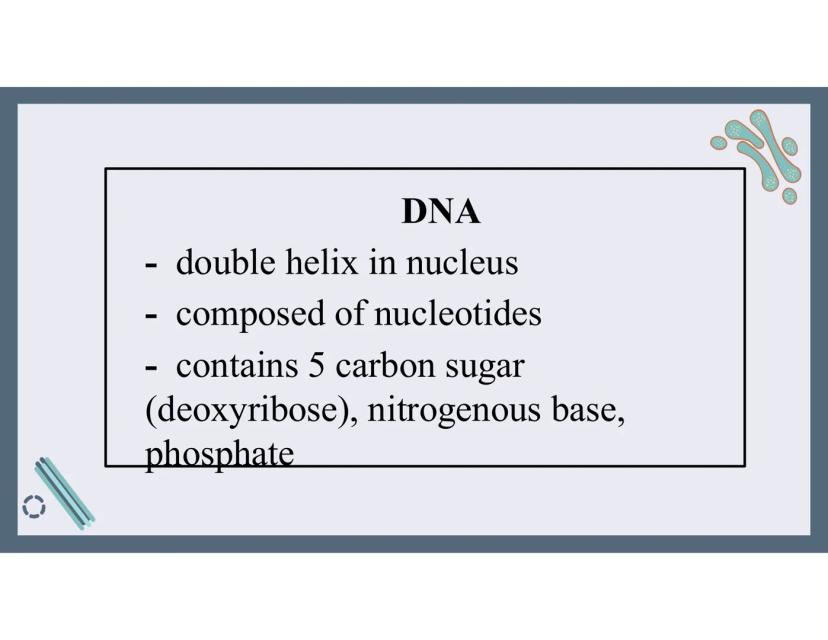
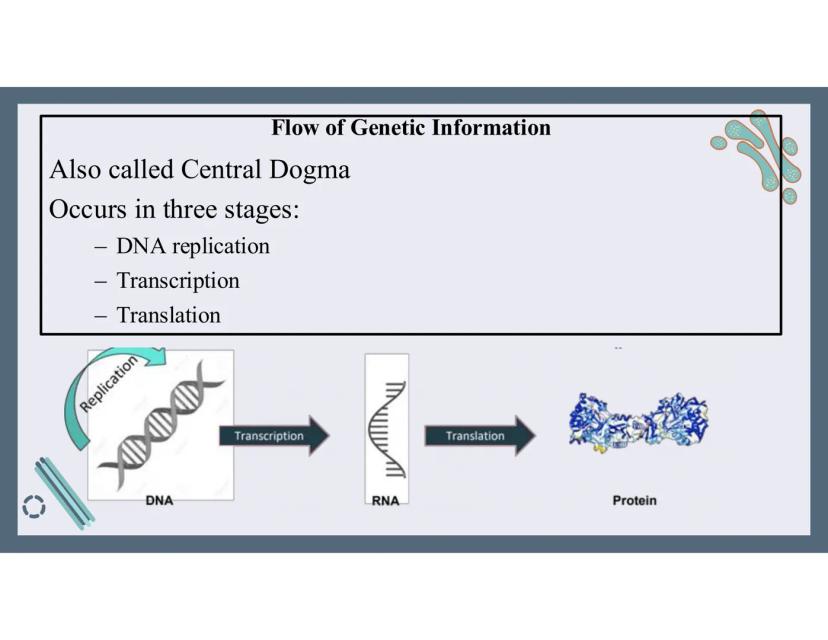
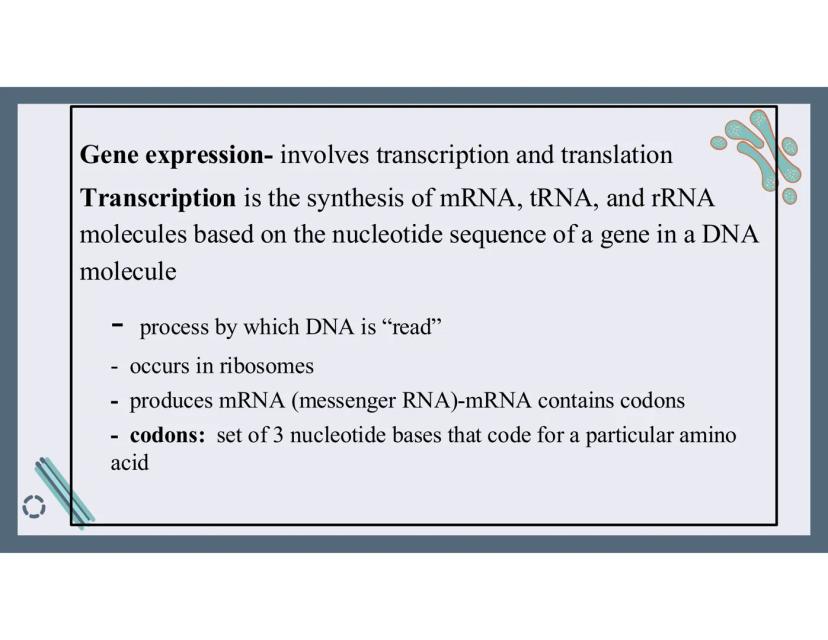
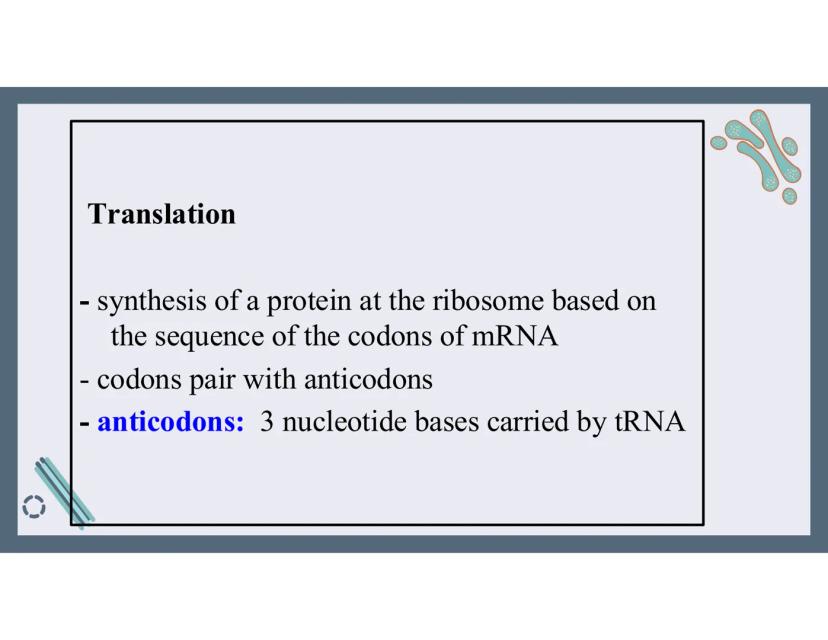
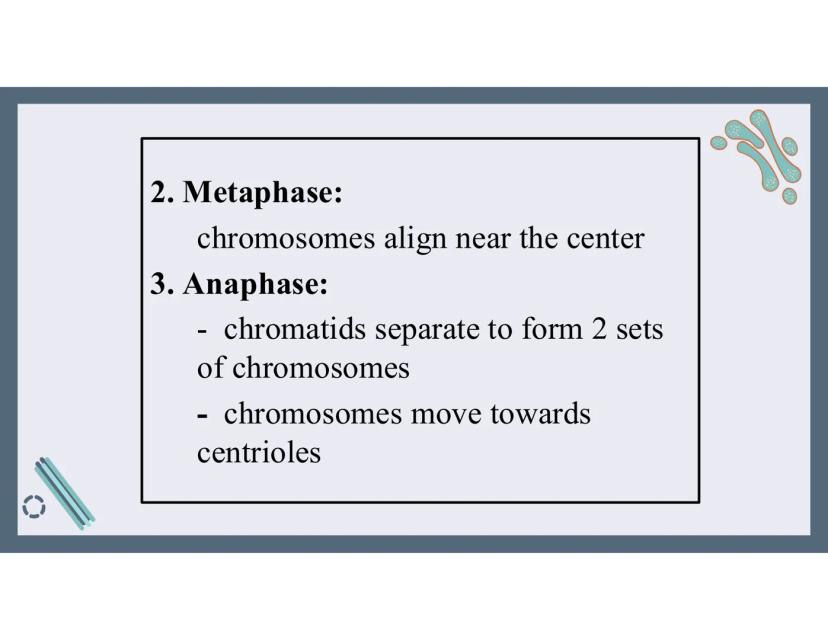
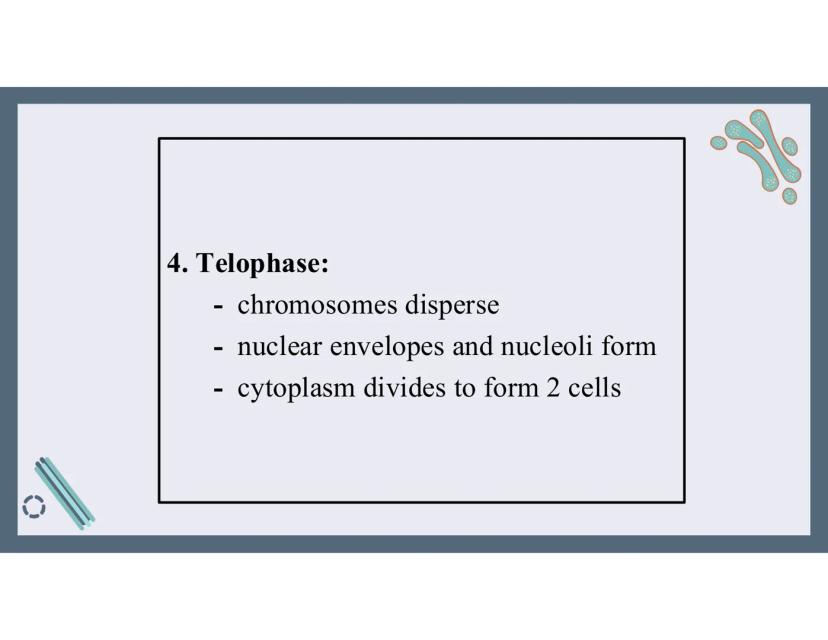
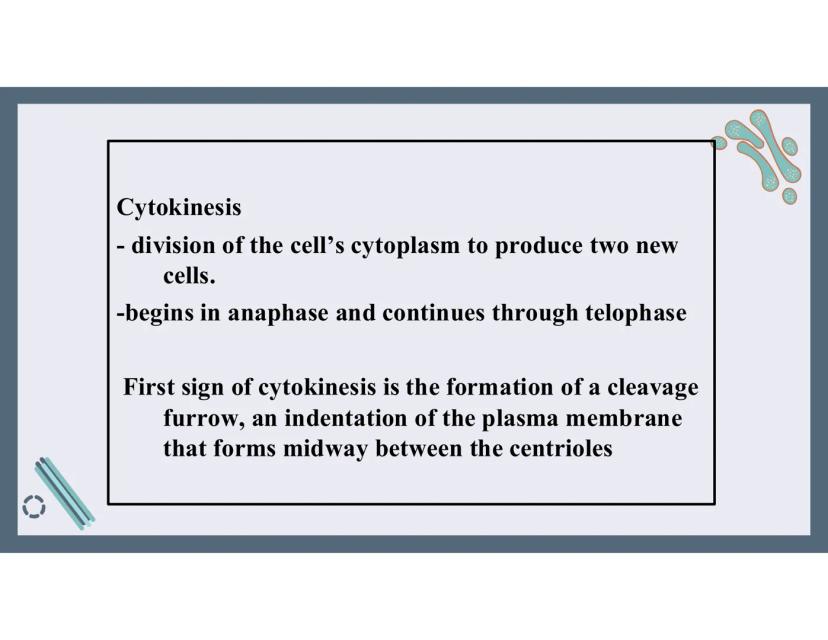
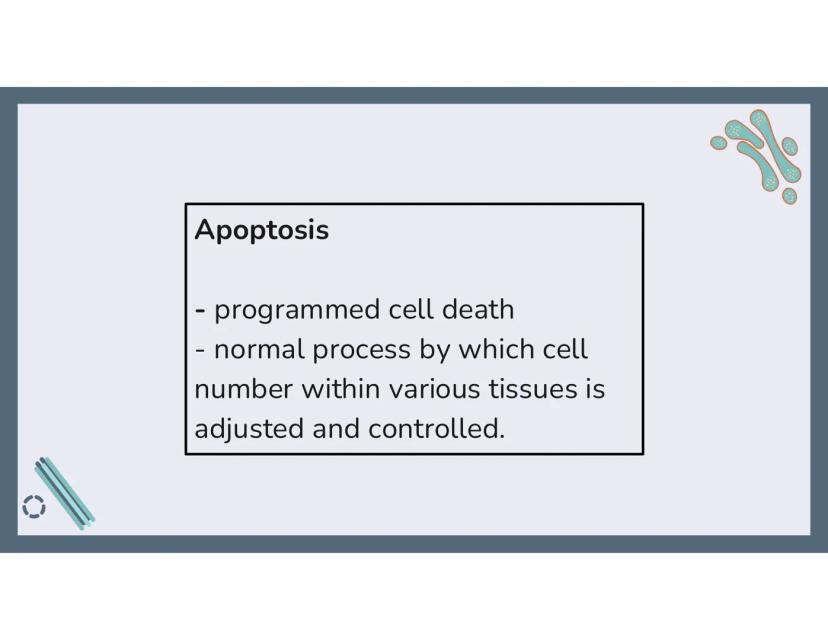
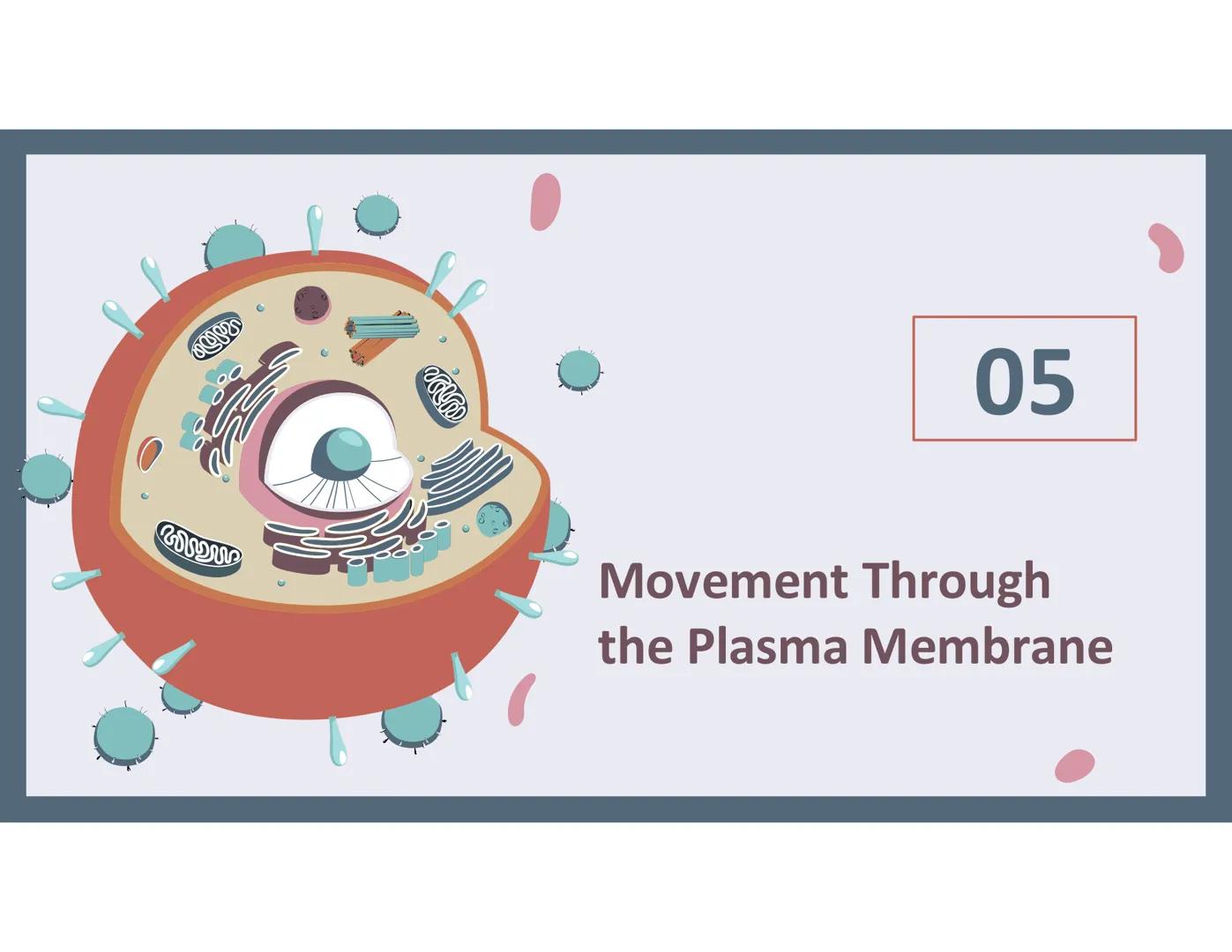
Cells are the basic units of all living things, working together to keep organisms alive. These microscopic structures have distinct parts that perform specialized functions.
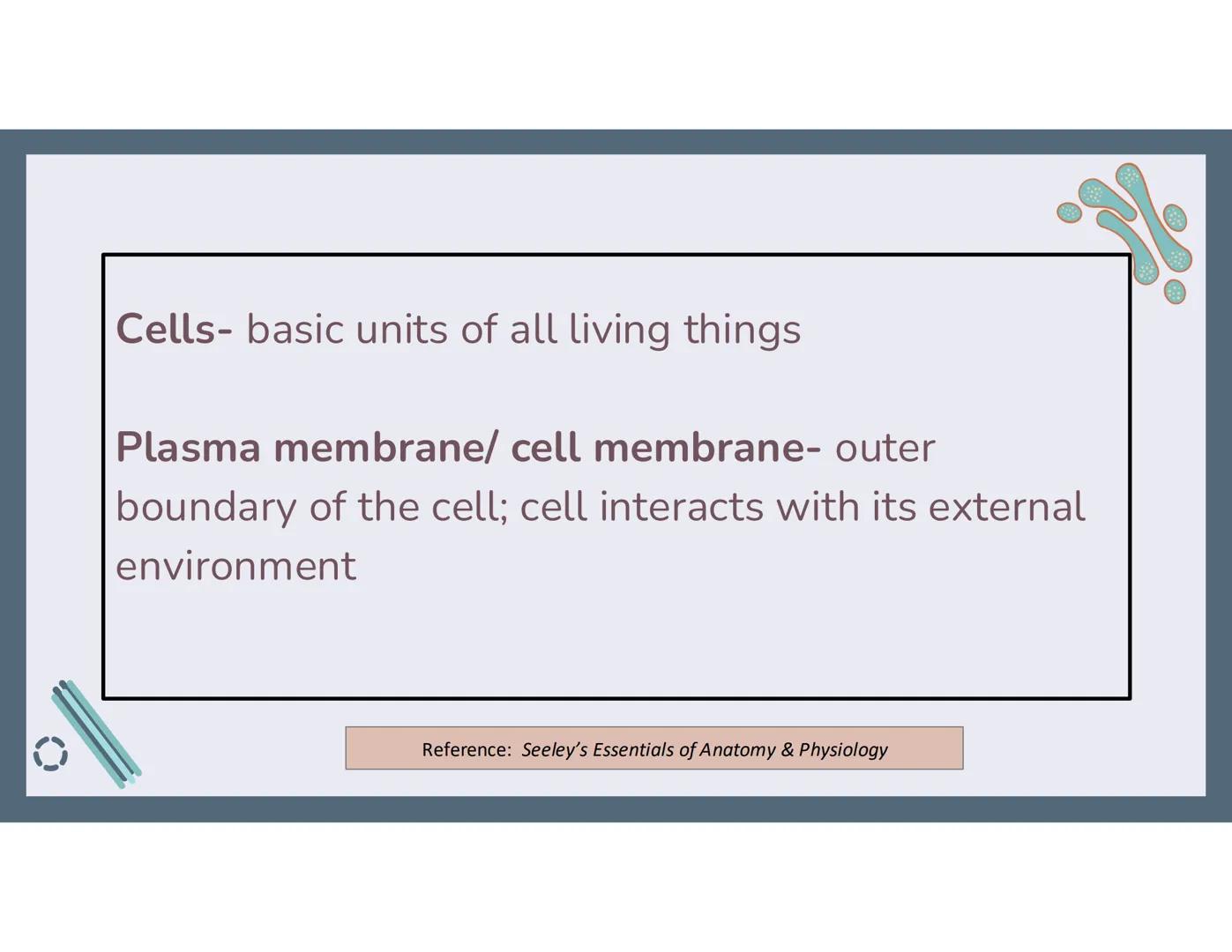
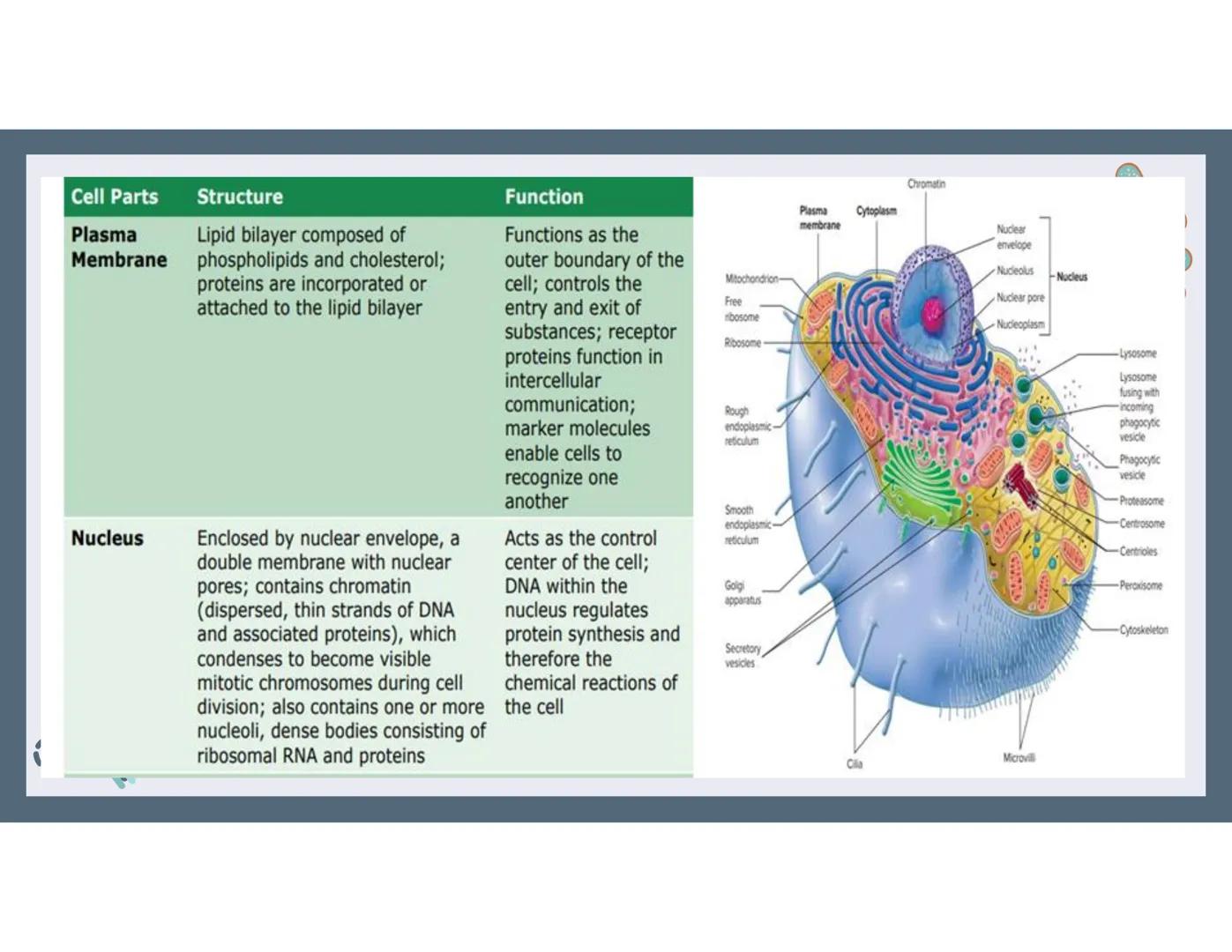
The plasma membrane (cell membrane) forms the outer boundary of the cell, controlling what enters and exits. This selective barrier is how cells interact with their environment.
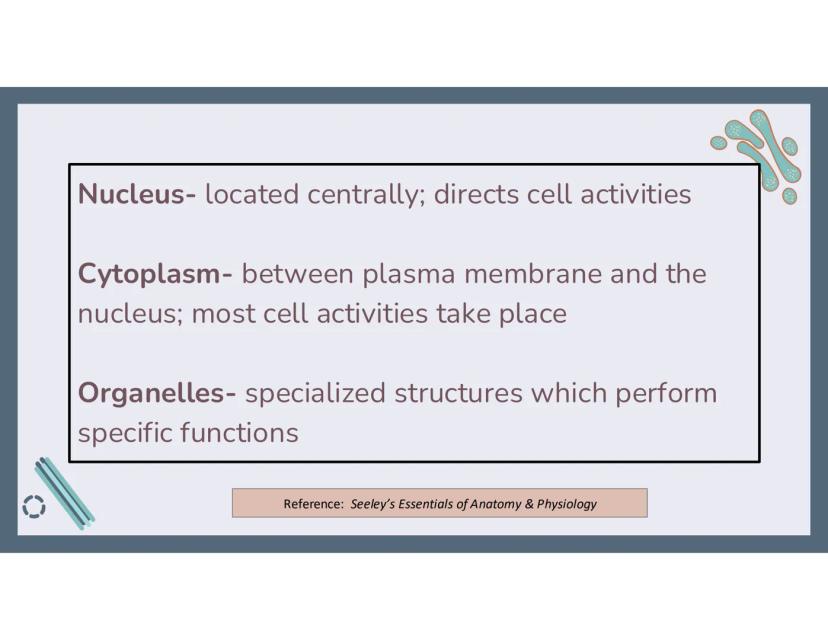
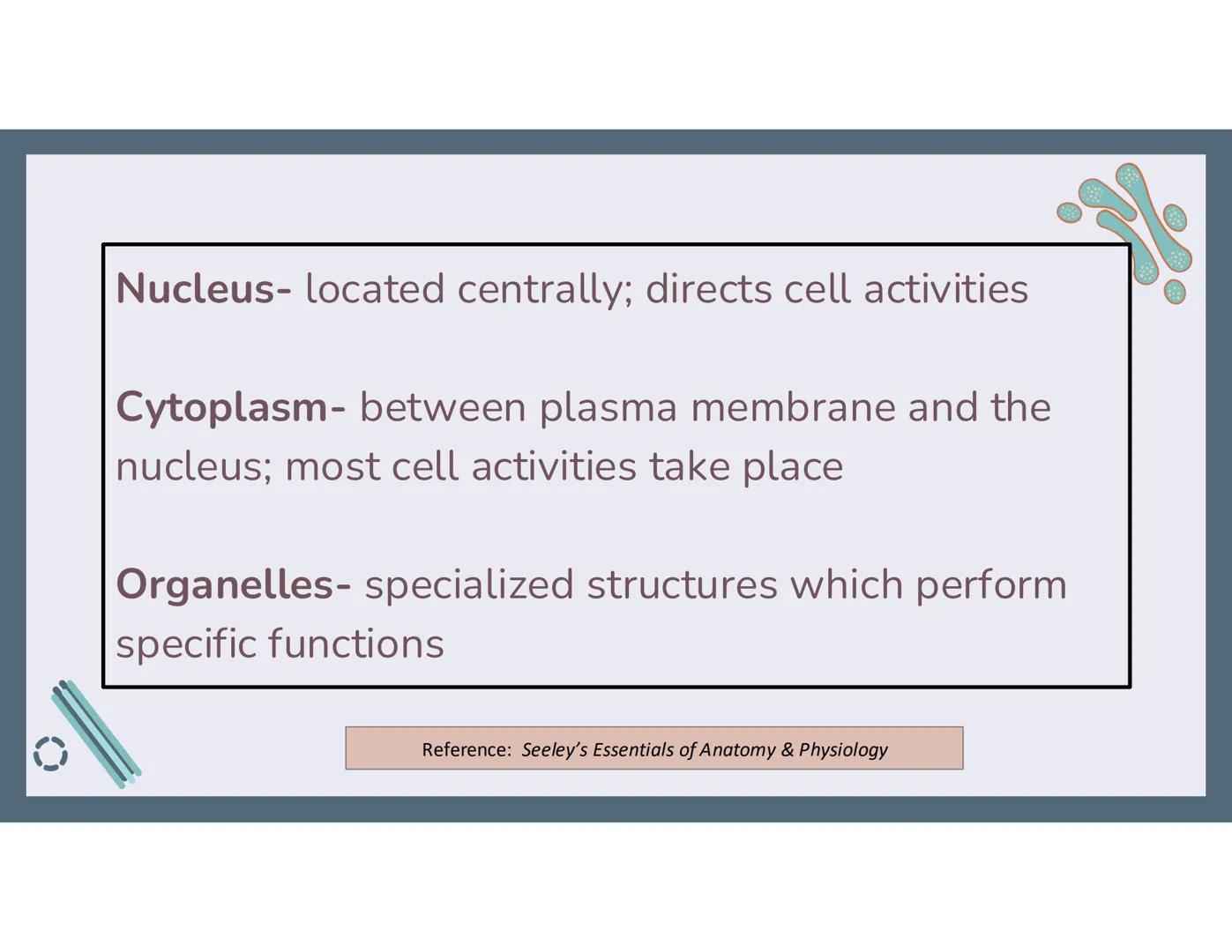
Inside the cell, the centrally located nucleus directs all cell activities, essentially serving as the control center. Between the nucleus and membrane lies the cytoplasm, where most cellular activities take place. Within the cytoplasm are organelles, specialized structures that perform specific functions.
Did you know? Your body contains trillions of cells, and almost every one contains the complete set of instructions needed to make you who you are!
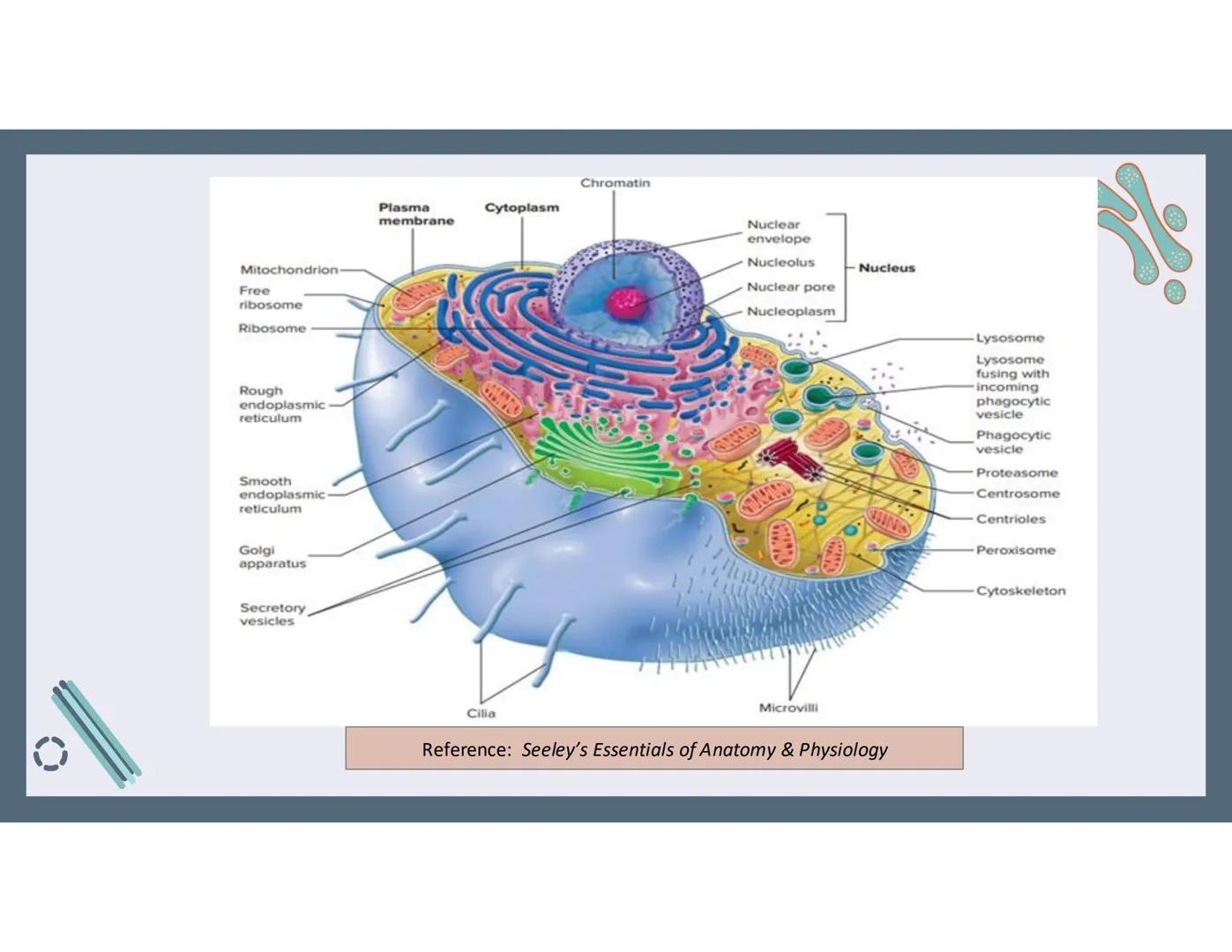
When you look at a cell under a microscope, you'll see an intricate world of specialized components. Each part has a specific job that keeps the cell functioning properly.
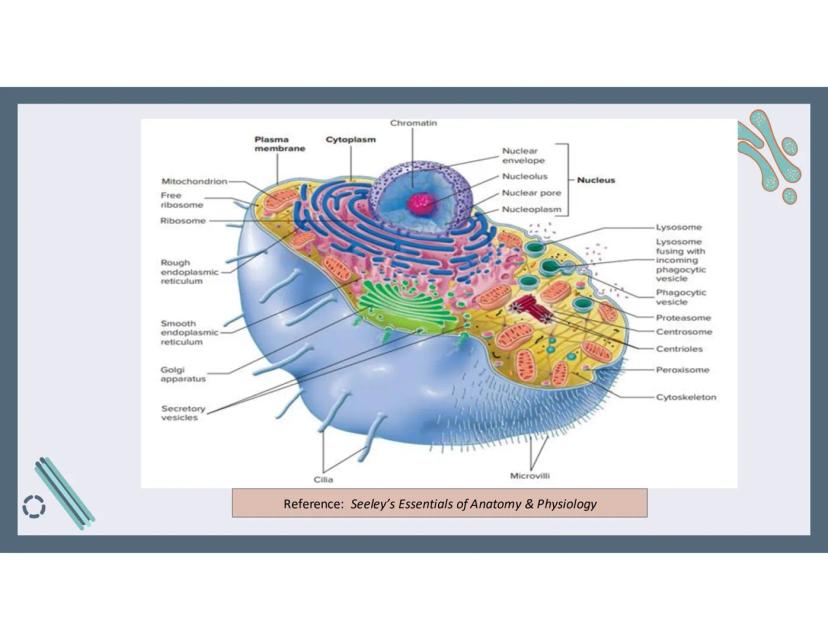
The plasma membrane creates a boundary between the cell's interior and the outside world. The nucleus, typically found near the center, houses your DNA and directs cellular activities. The cytoplasm fills the space between these structures and contains various organelles.
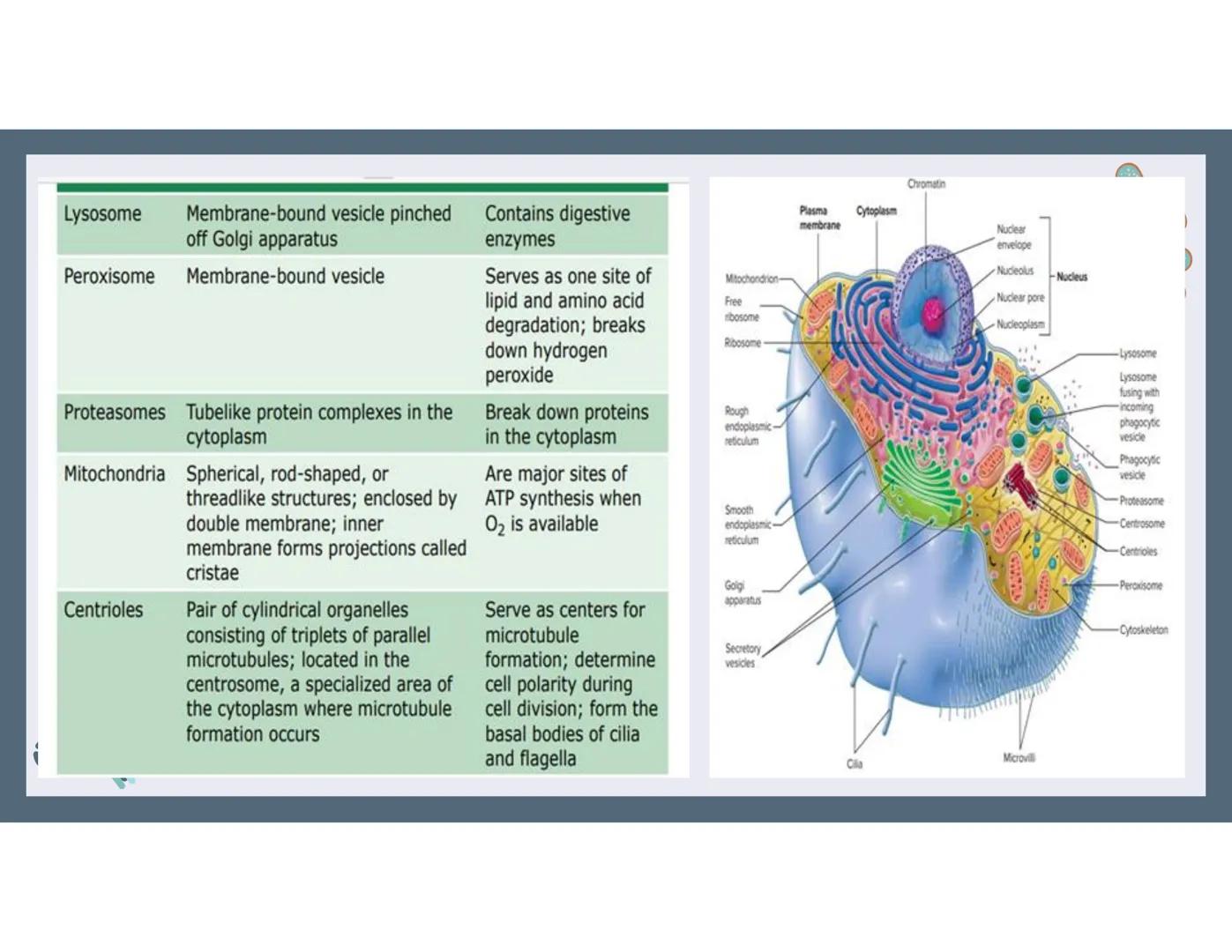
Key organelles include mitochondria (the cell's power plants), ribosomes (protein factories), and the endoplasmic reticulum (processing center for proteins and lipids). The Golgi apparatus packages and distributes materials, while lysosomes contain digestive enzymes.
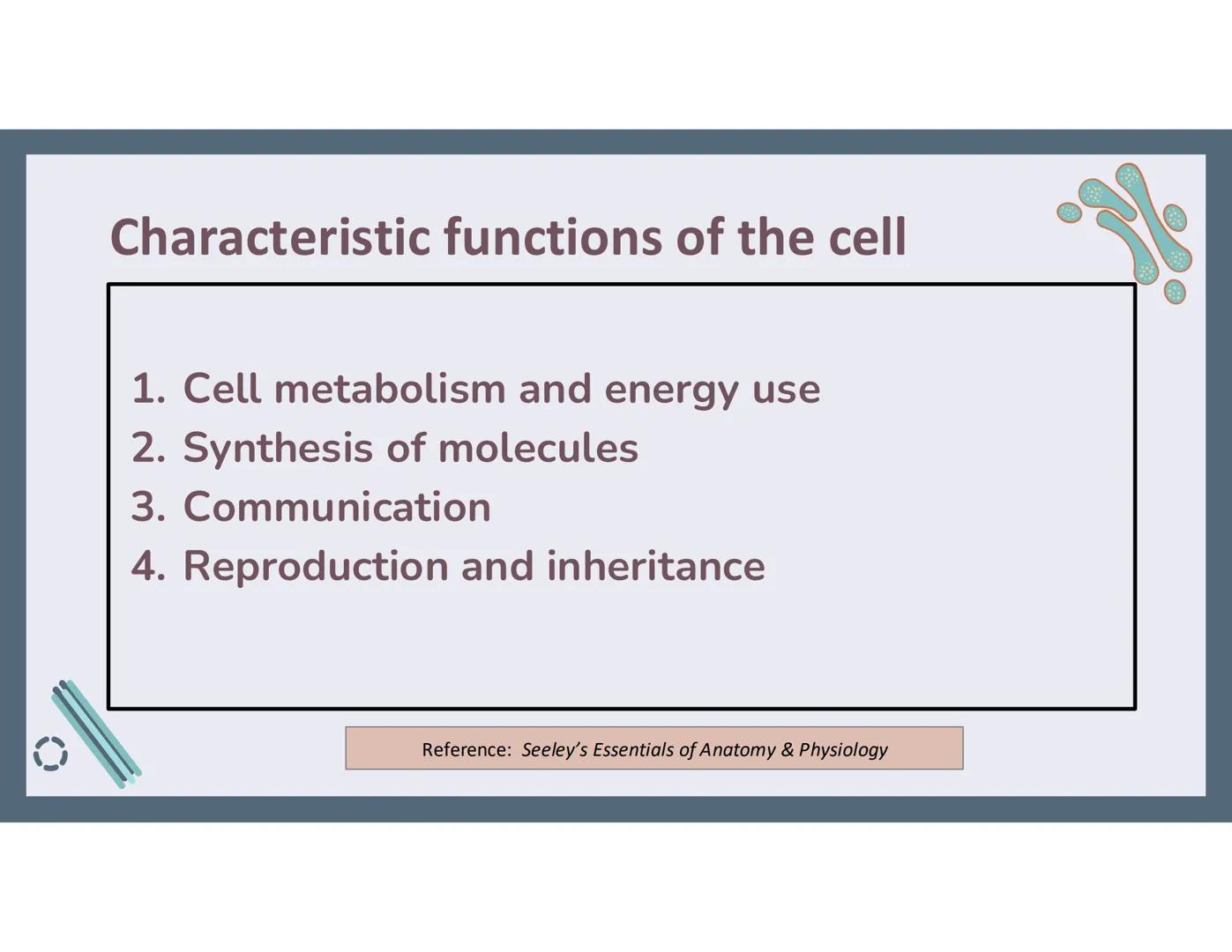
Cell structures work together to perform four characteristic functions: metabolism and energy use, synthesis of molecules, communication, and reproduction/inheritance.
Remember: Think of the cell as a tiny city with different "buildings" (organelles) that each serve a unique purpose!
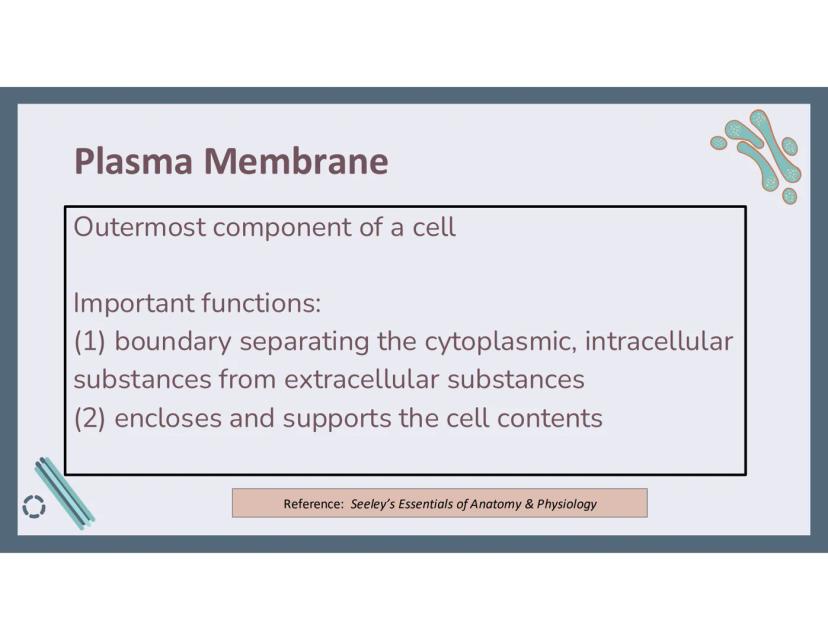
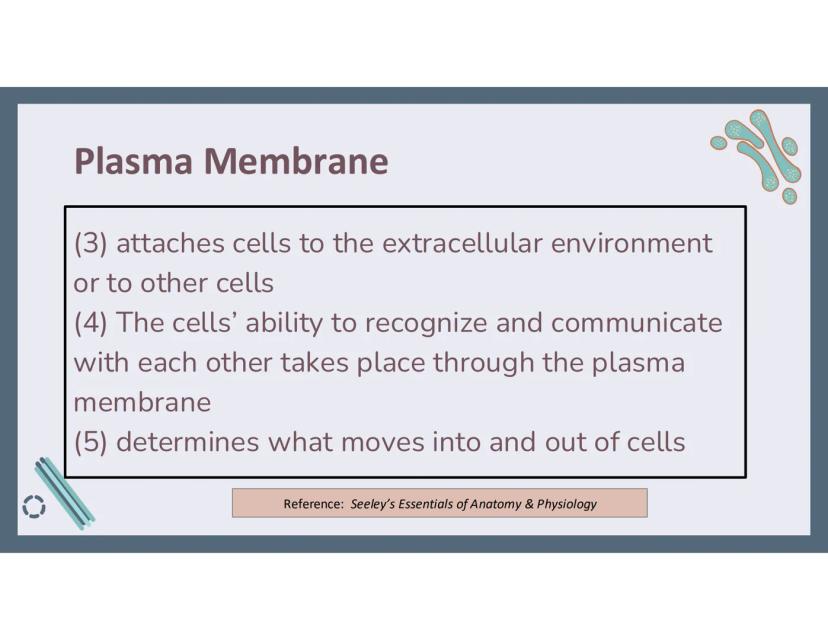
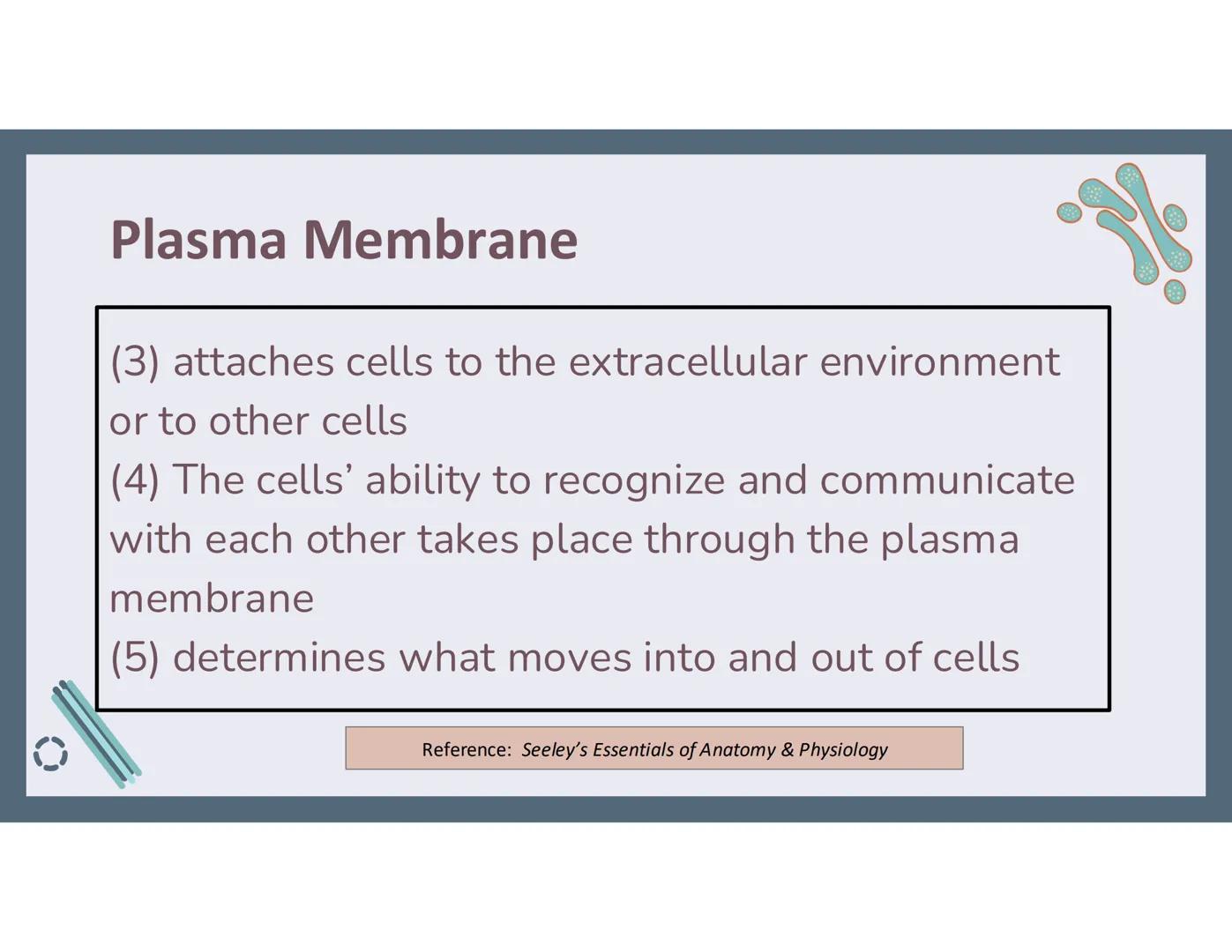
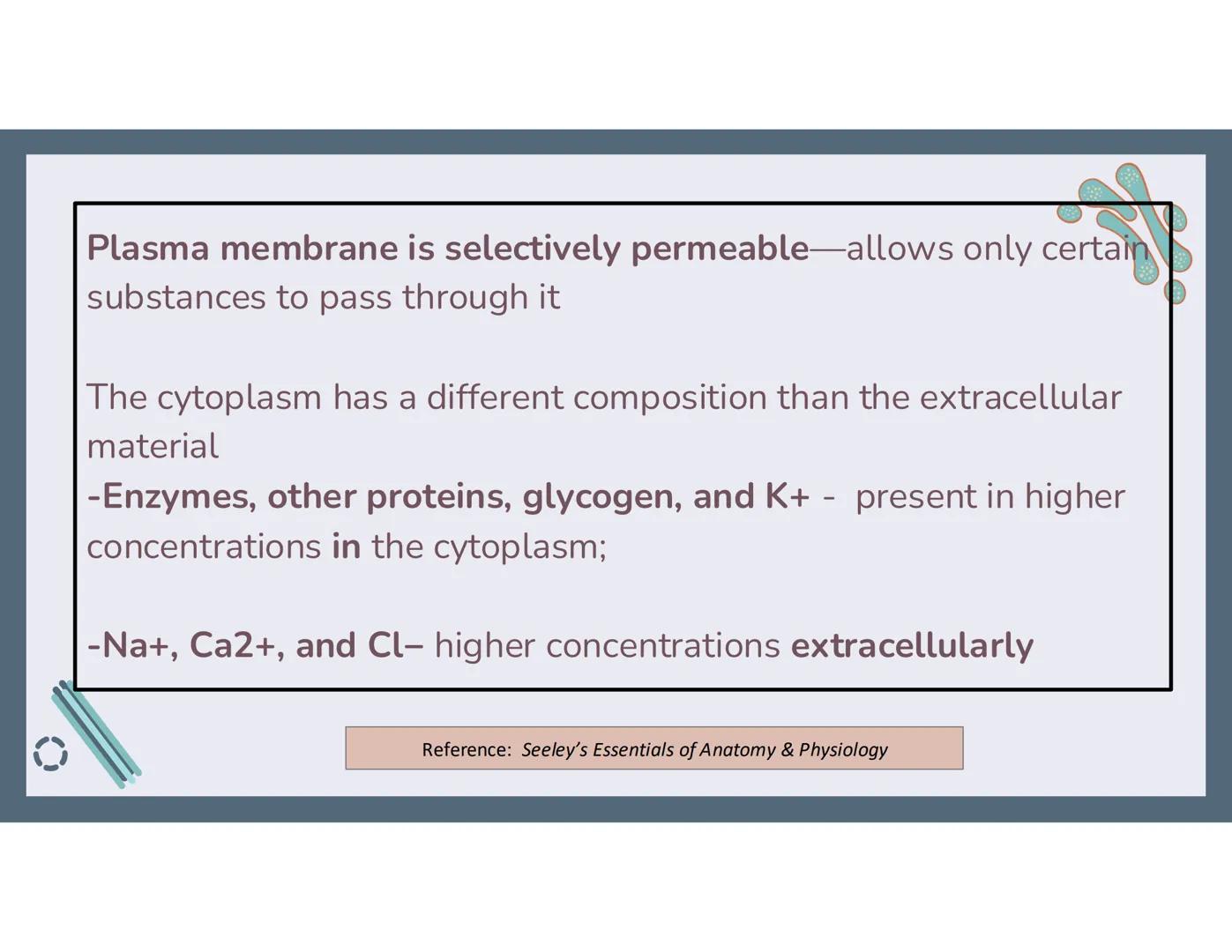
The plasma membrane is more than just a simple barrier—it's a sophisticated structure with critical functions. As the outermost component of a cell, it separates the intracellular environment from the extracellular one.
This dynamic boundary performs several key functions: it encloses and supports cell contents, attaches cells to their environment or to other cells, facilitates cell recognition and communication, and regulates what moves into and out of the cell.
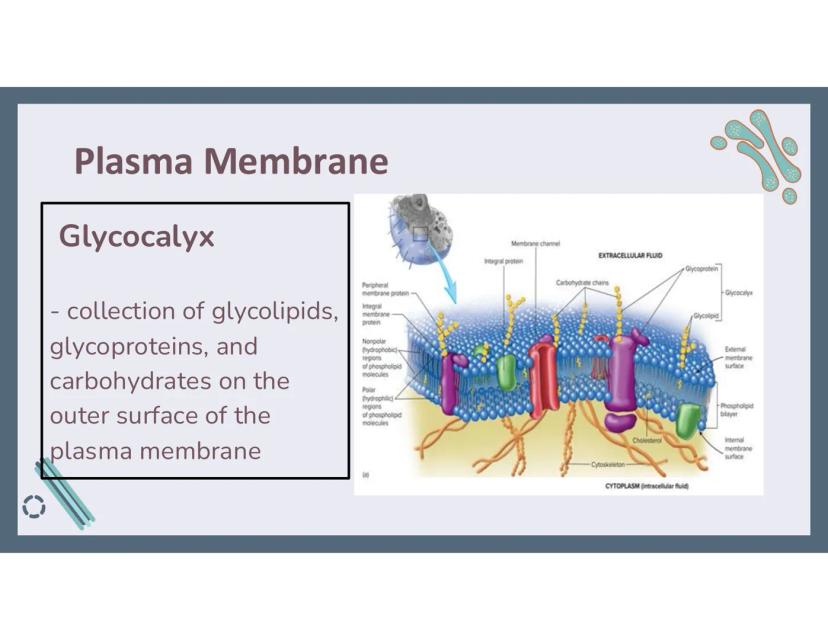
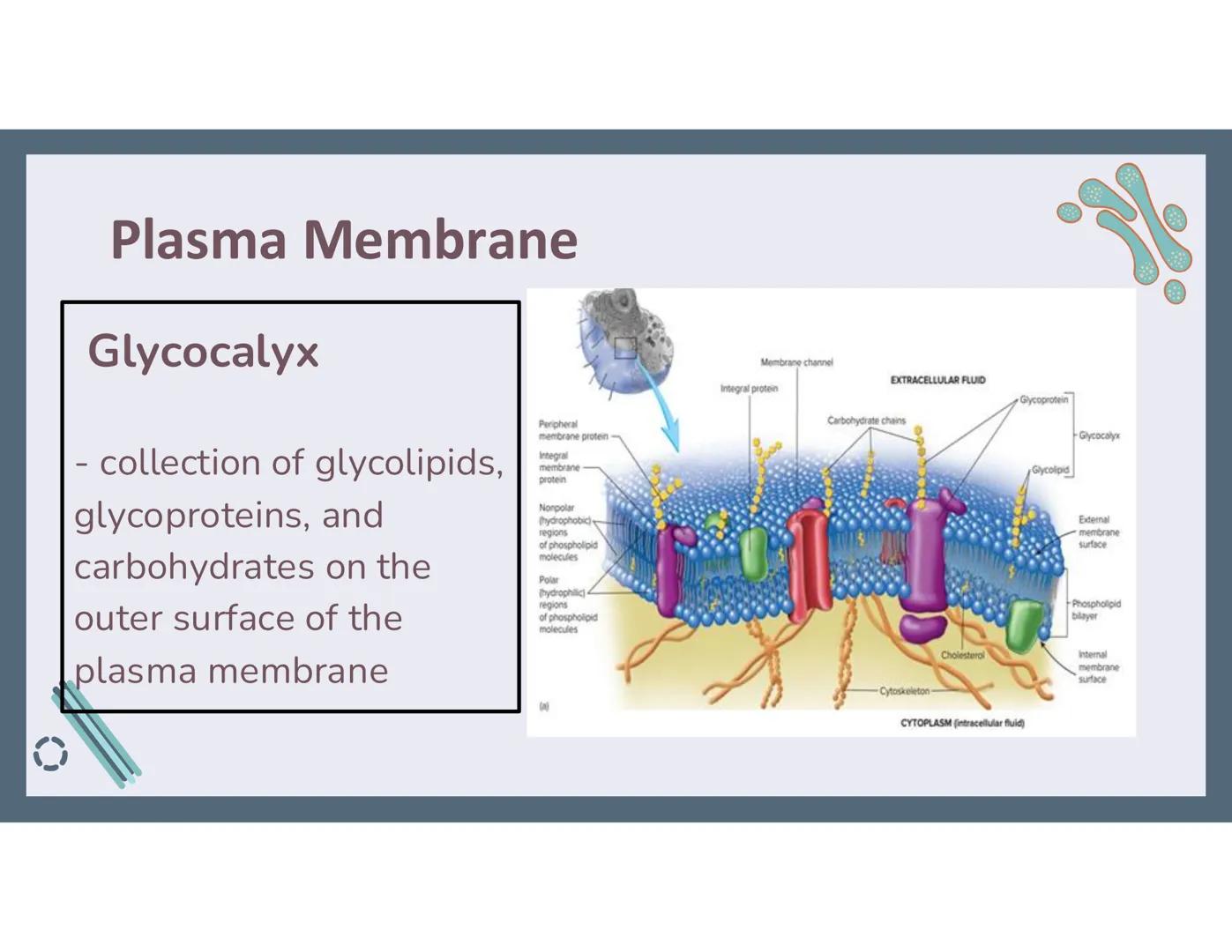
The outer surface of the plasma membrane features a glycocalyx—a collection of glycolipids, glycoproteins, and carbohydrates that helps cells recognize each other and provides protection.
Quick tip: When studying the plasma membrane, visualize it as a security checkpoint that carefully controls what enters and leaves the cell while also allowing for communication with the outside world.
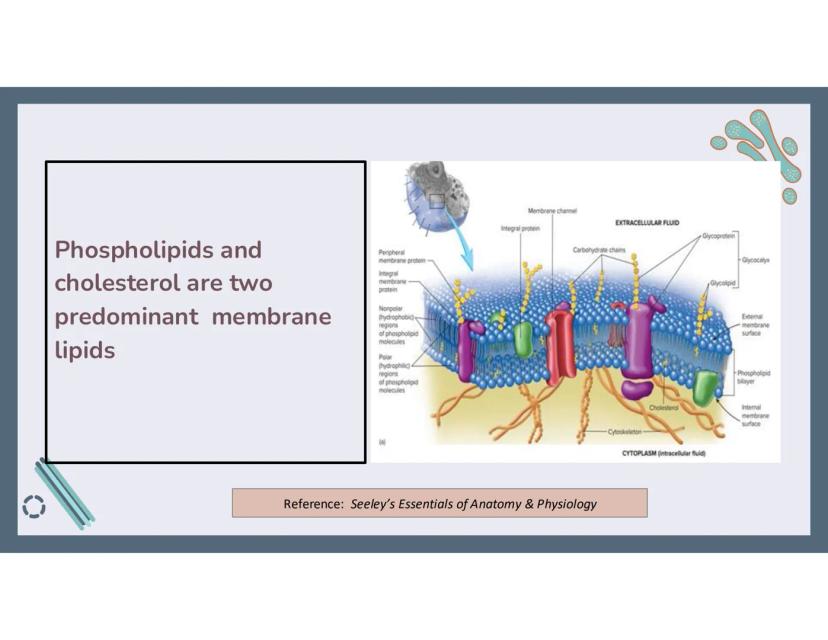
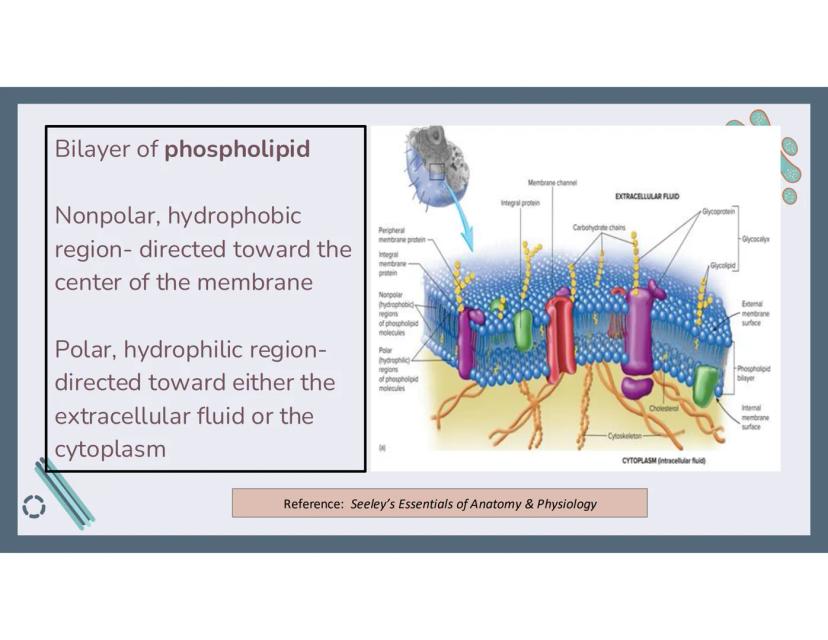
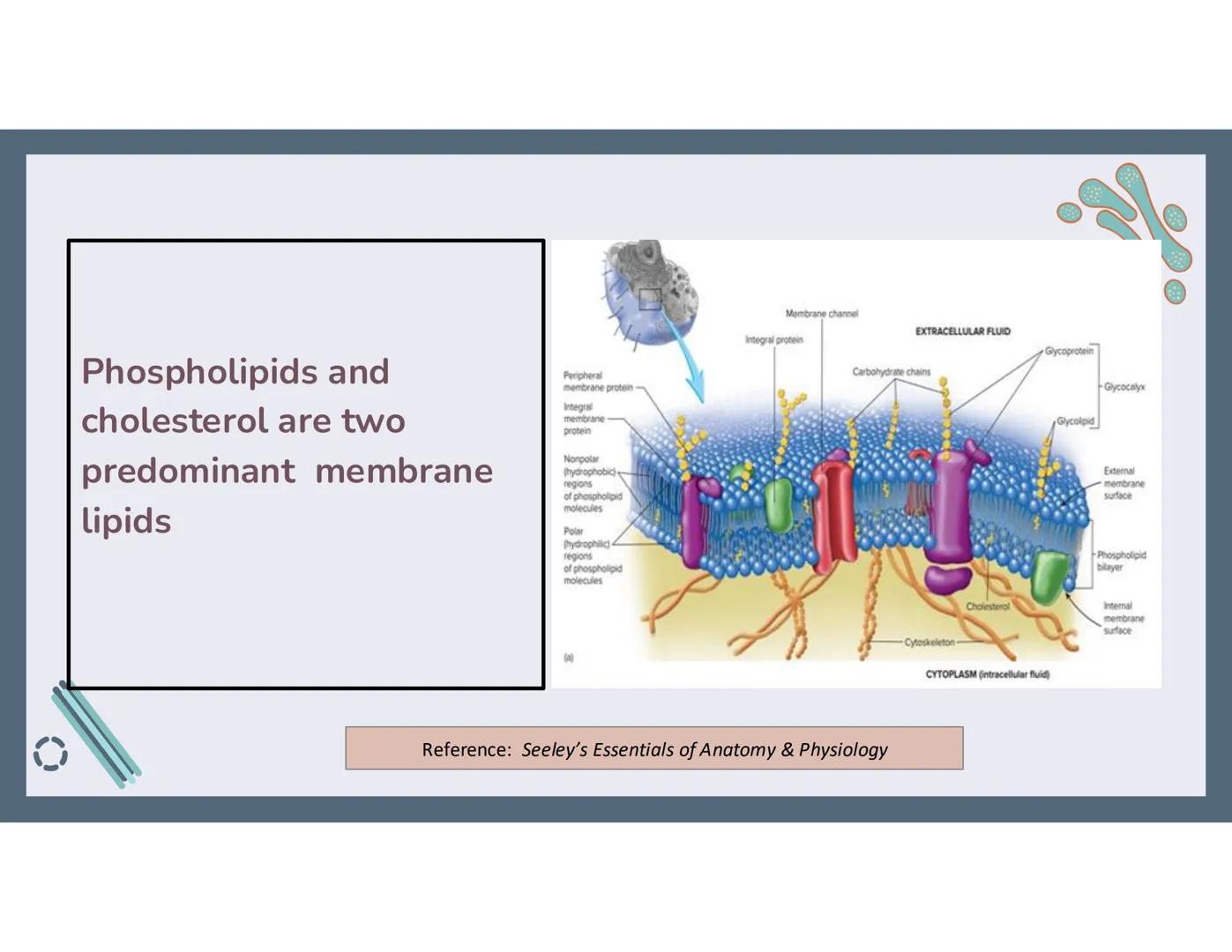
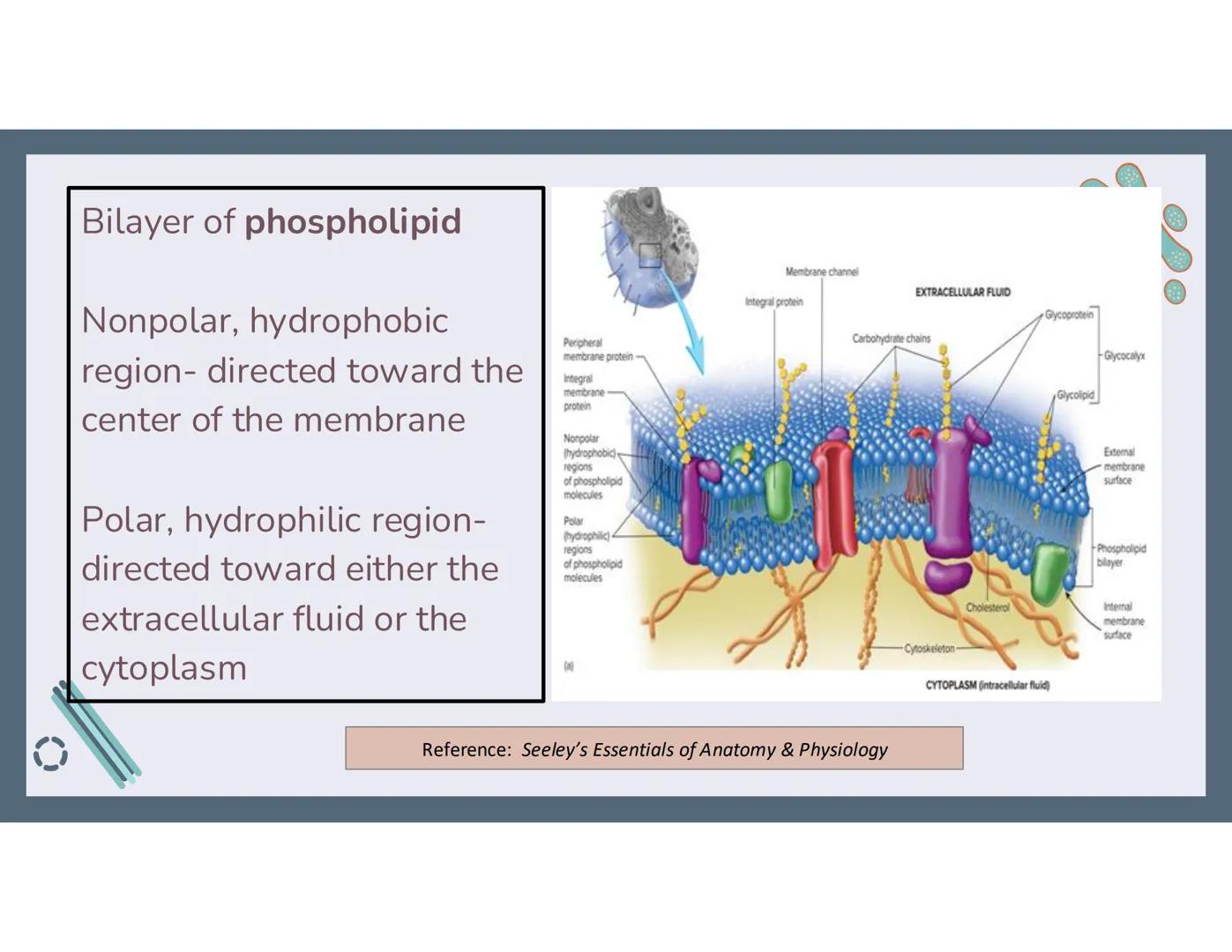
The plasma membrane has a remarkable structure built primarily from two types of lipids: phospholipids and cholesterol. These components create a flexible yet stable barrier.
Phospholipids form a bilayer that makes up the membrane's foundation. Each phospholipid molecule has a hydrophilic head and a hydrophobic tail. The heads face outward toward watery environments both inside and outside the cell, while the tails face inward toward each other.
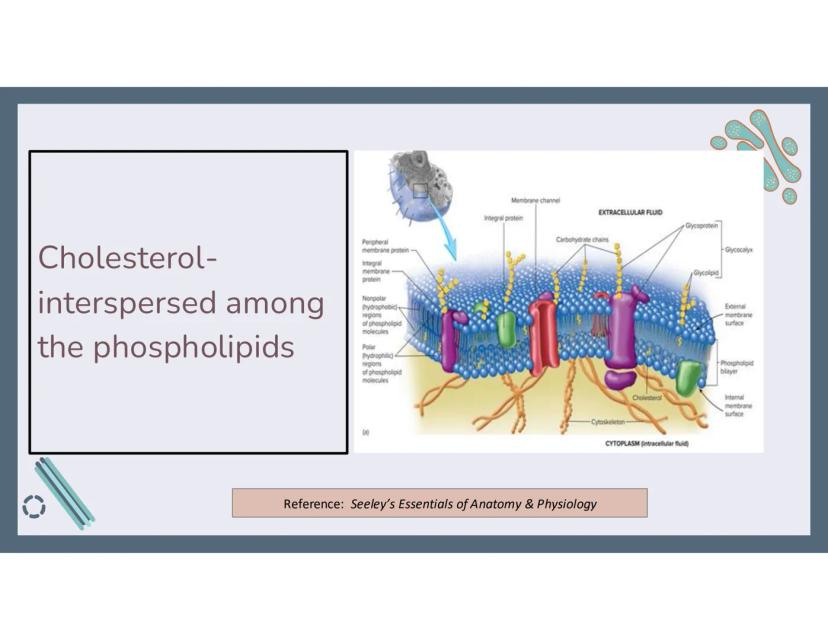
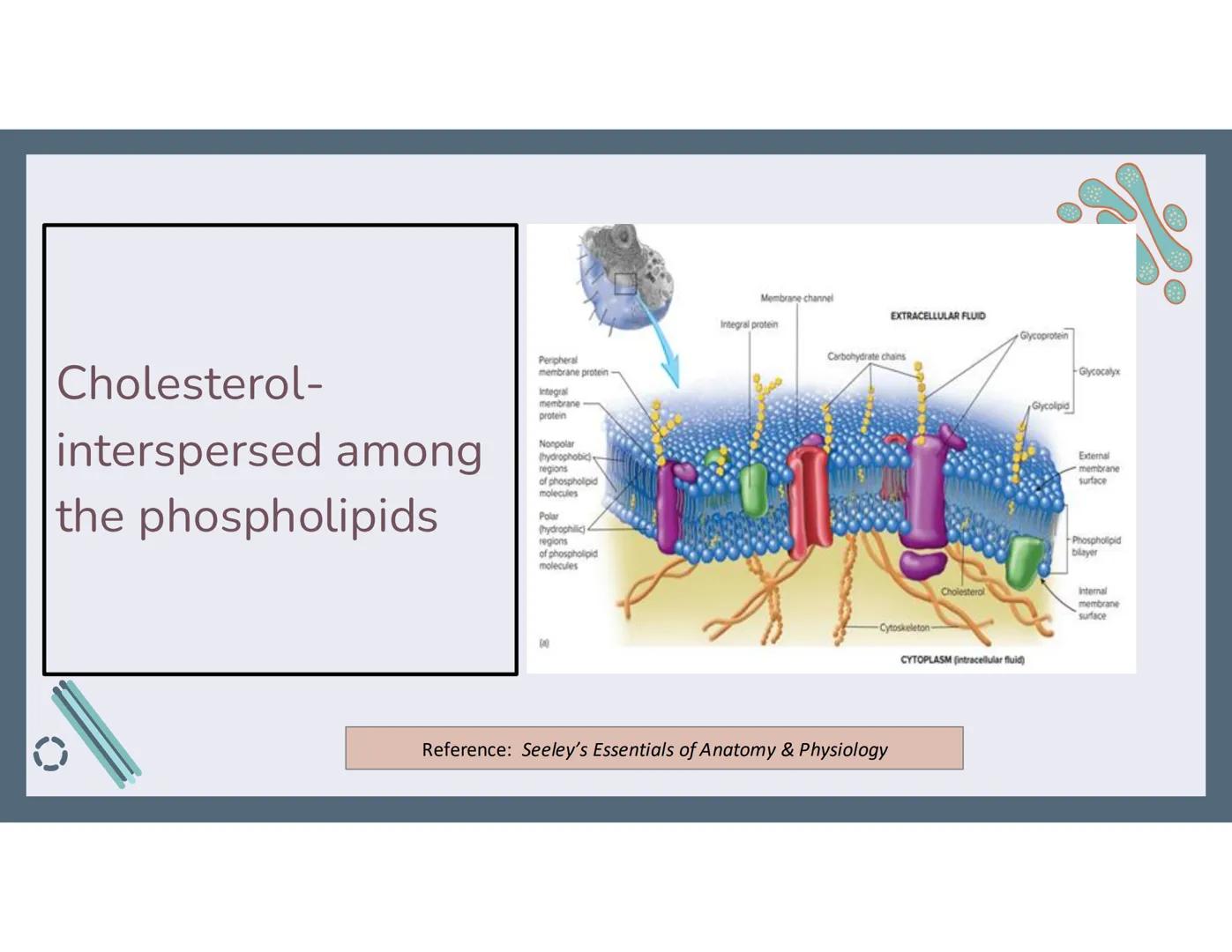
Cholesterol molecules are interspersed among the phospholipids, helping to maintain the membrane's fluidity. This arrangement creates a structure that's solid enough to provide protection but fluid enough to allow necessary movement.
Fascinating fact: If you could stretch out all the cell membranes in your body, they would cover approximately 1.6 acres (about the size of a football field)!
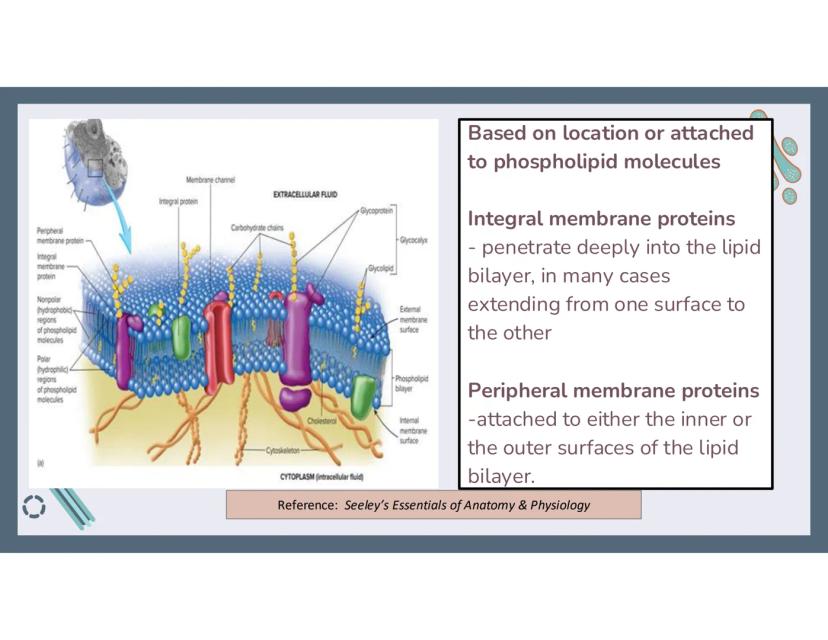
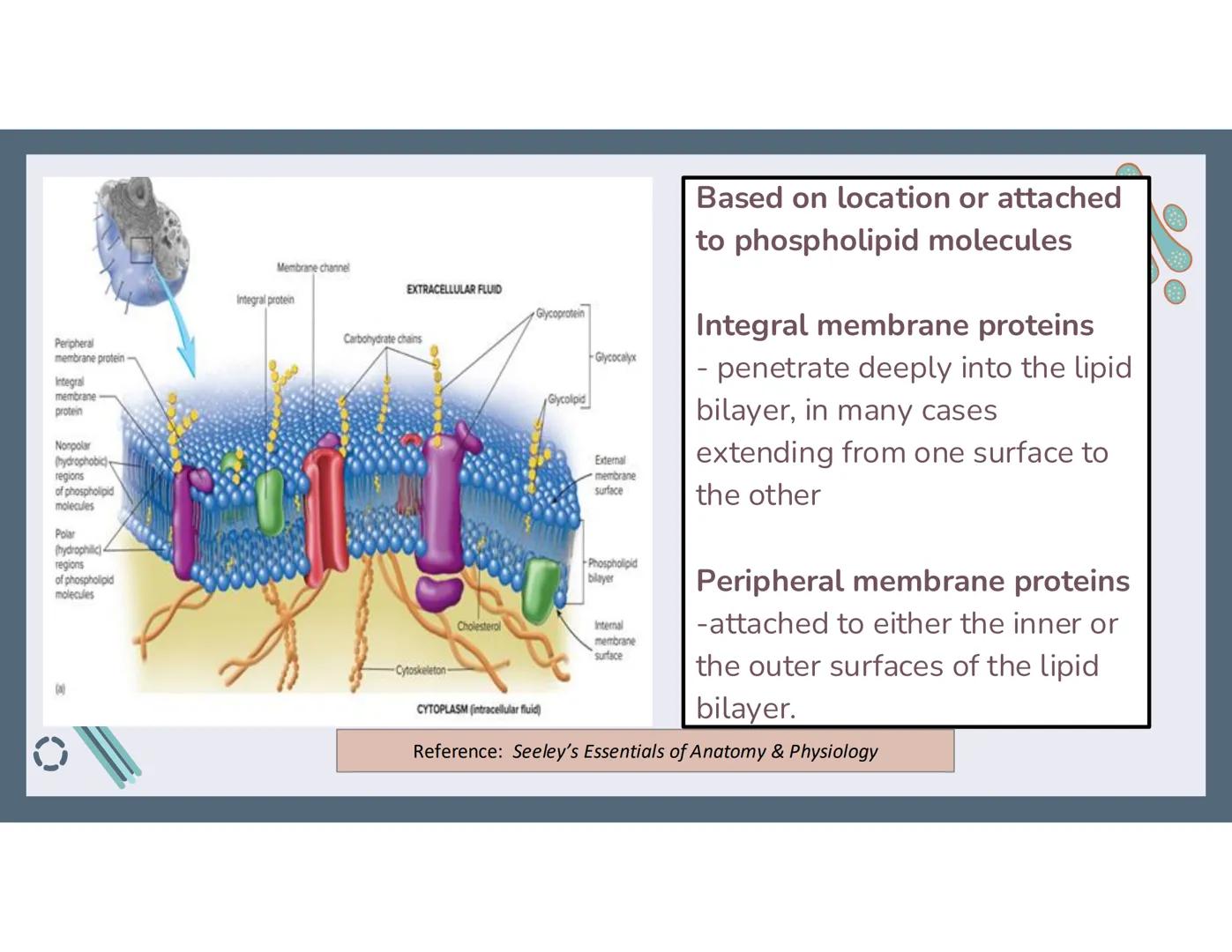
Proteins embedded in the plasma membrane perform vital functions that lipids alone cannot. These proteins come in two main types based on their position in the membrane.
Integral membrane proteins penetrate deeply into the lipid bilayer, often extending completely from one side to the other. These proteins create channels for substances to pass through or serve as receptors that receive signals from outside the cell.
Peripheral membrane proteins attach to either the inner or outer surface of the lipid bilayer rather than spanning it. They often function in cell signaling or structural support.
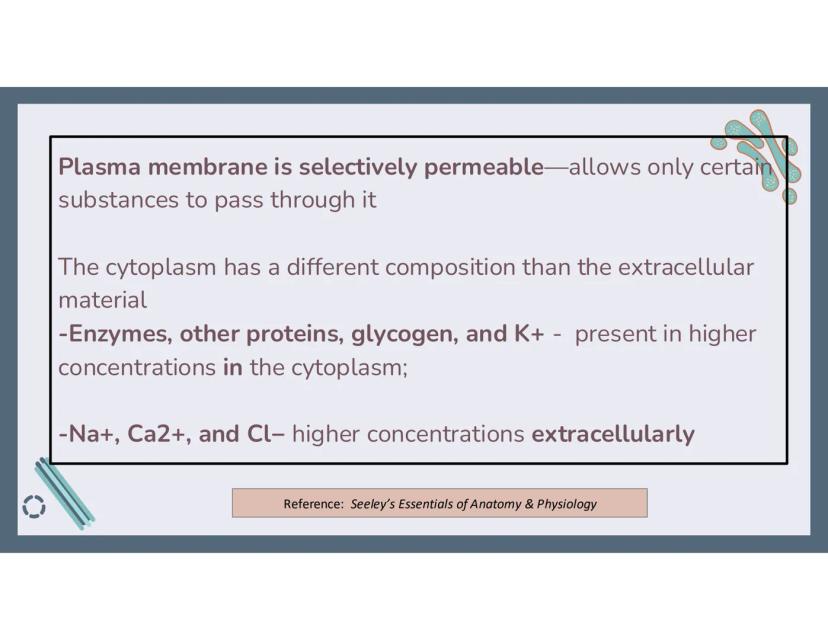
Together with membrane lipids, these proteins give the membrane its selective permeability—allowing only certain substances to enter or exit the cell.
Remember: Membrane proteins work like specialized doorways and communication devices that determine what enters the cell and how it responds to signals from its environment.
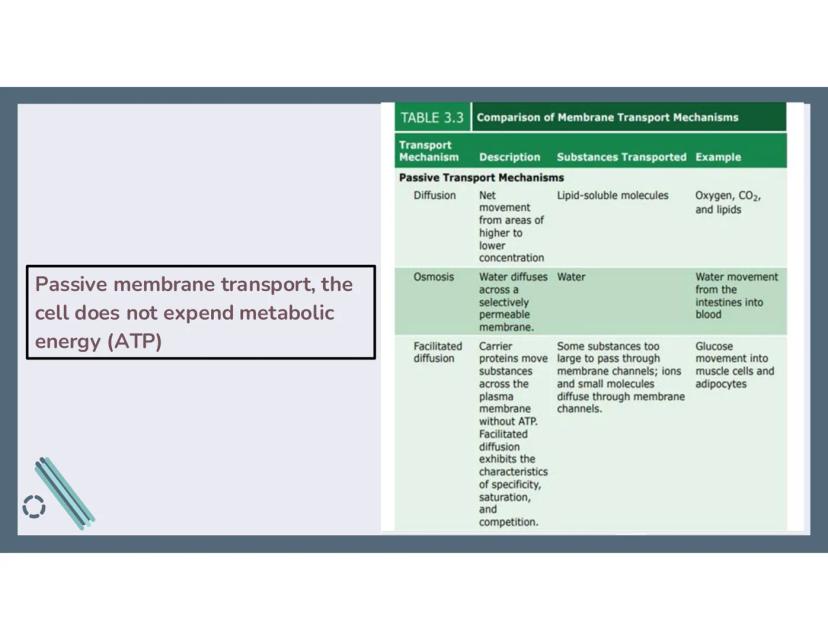
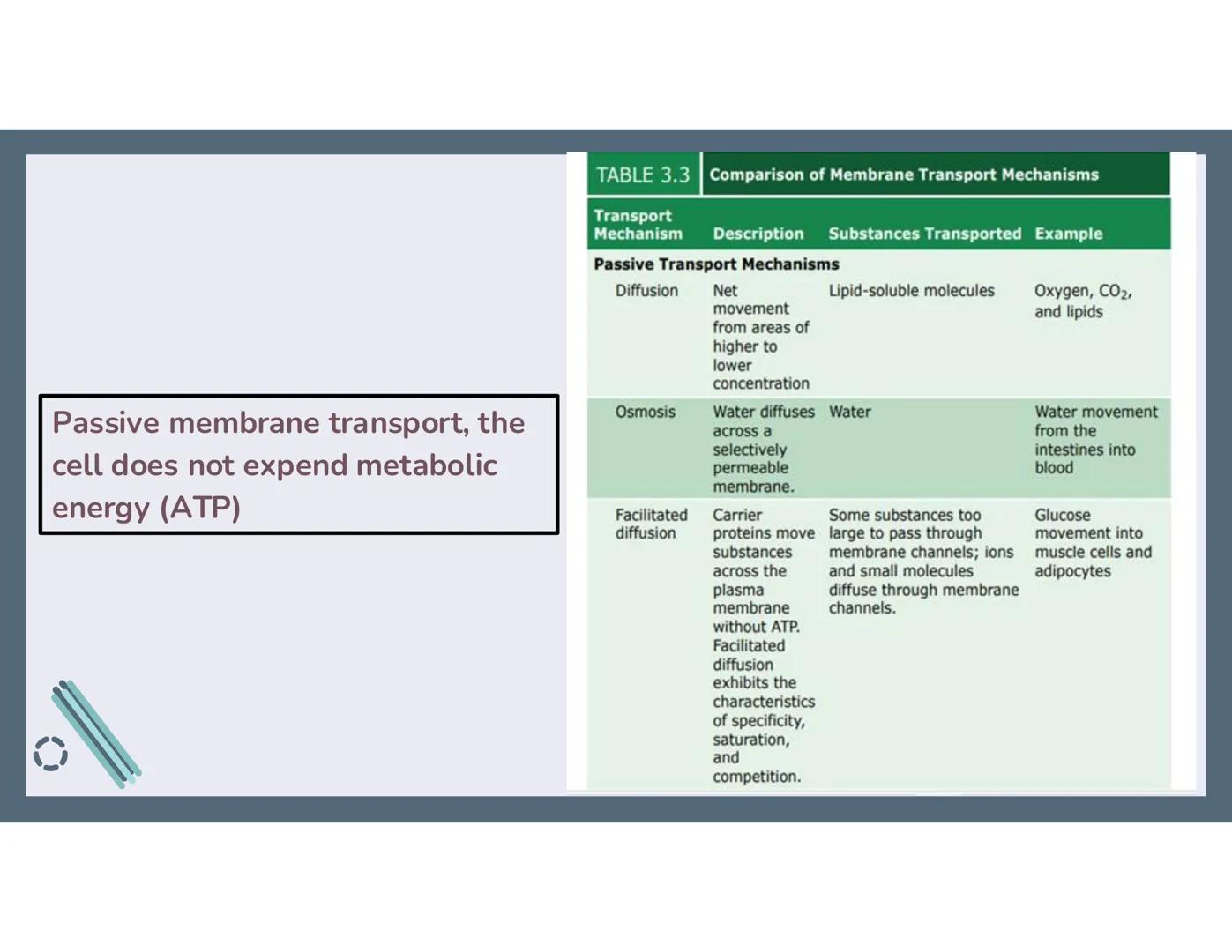
Cells constantly exchange materials with their environment, but how do substances cross the selectively permeable plasma membrane? Some methods require no energy from the cell.
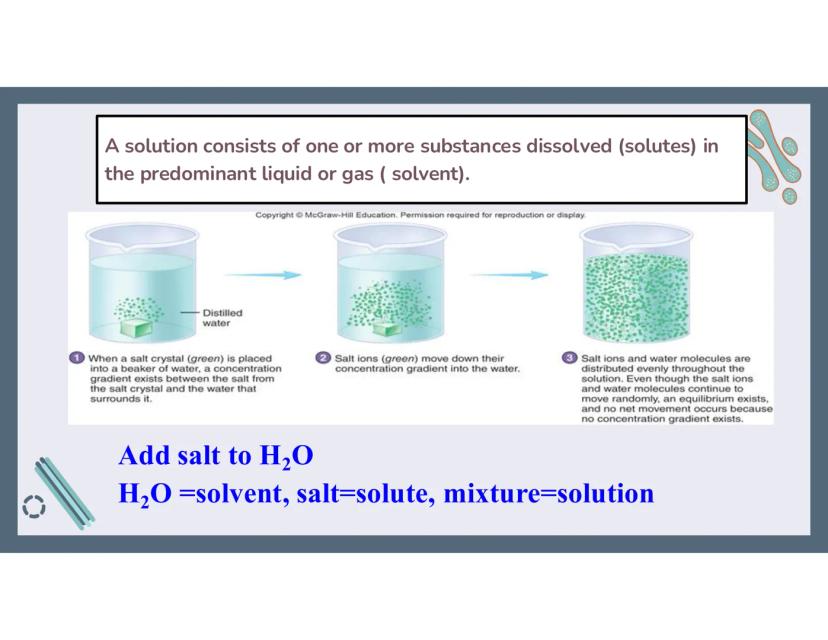
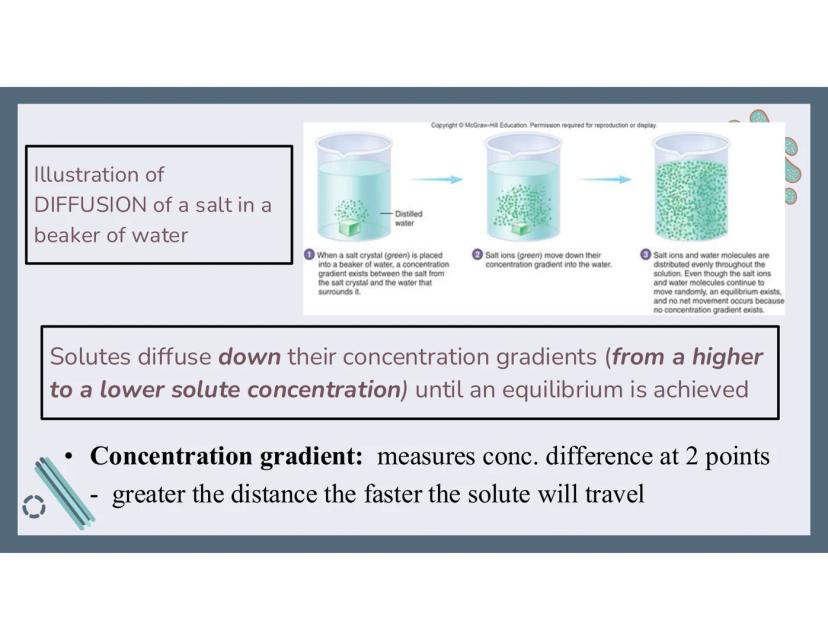
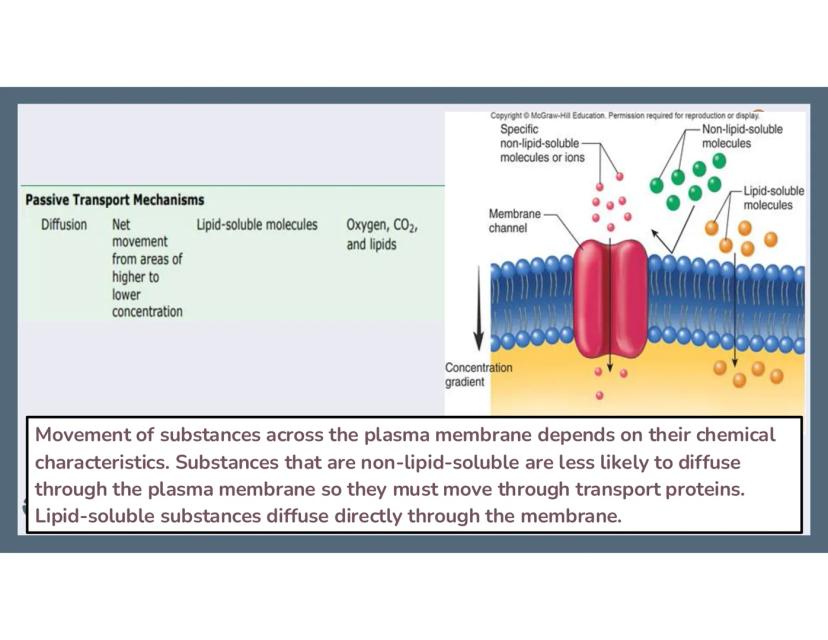
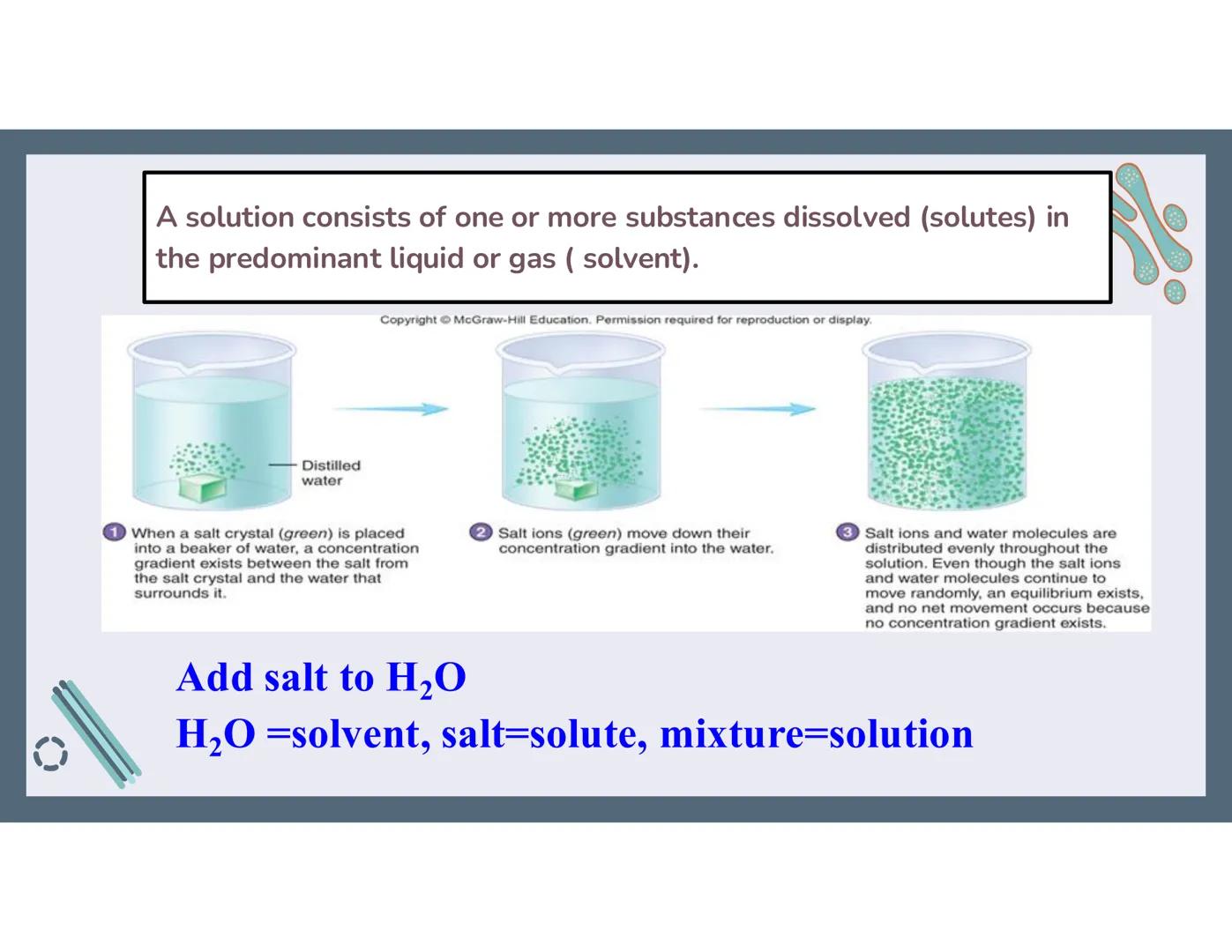
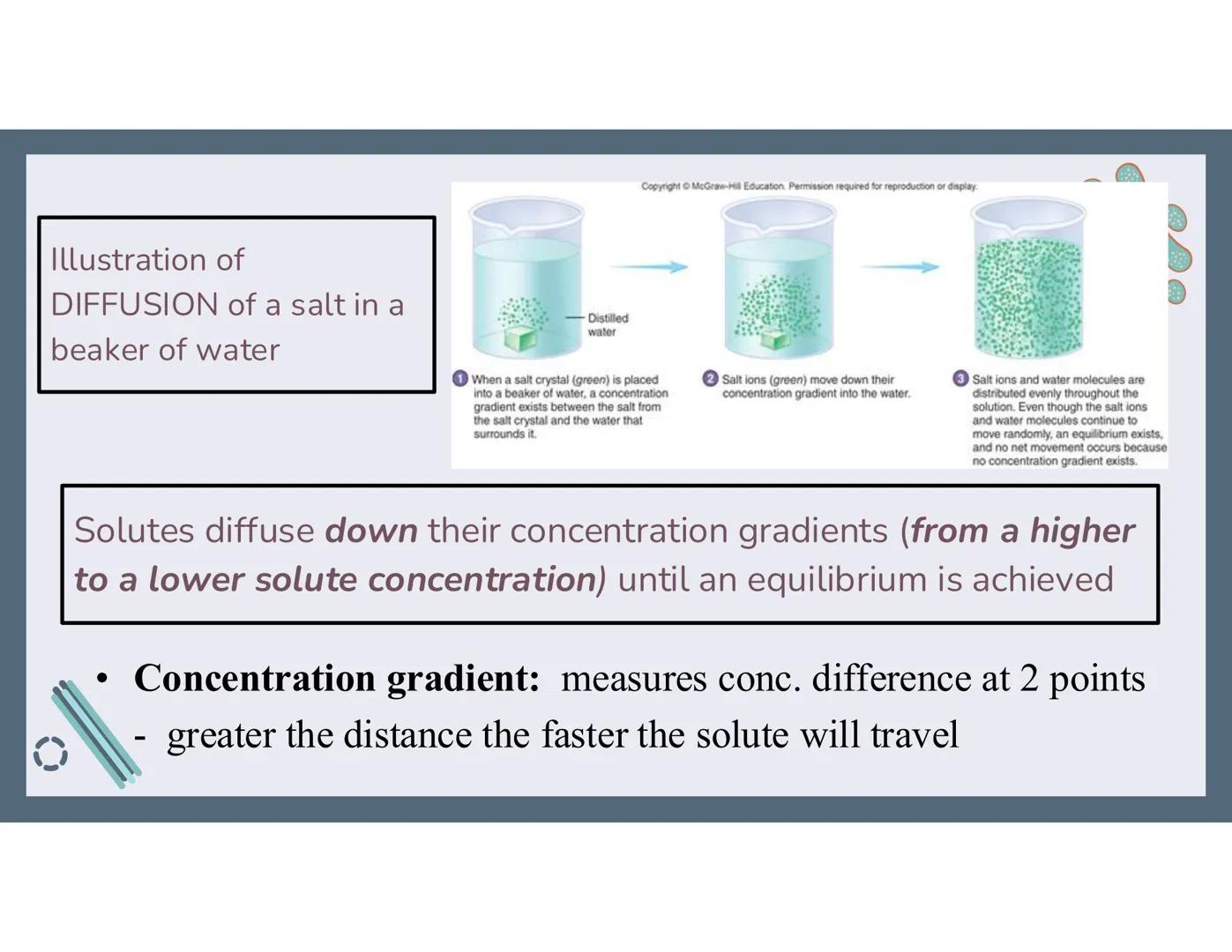
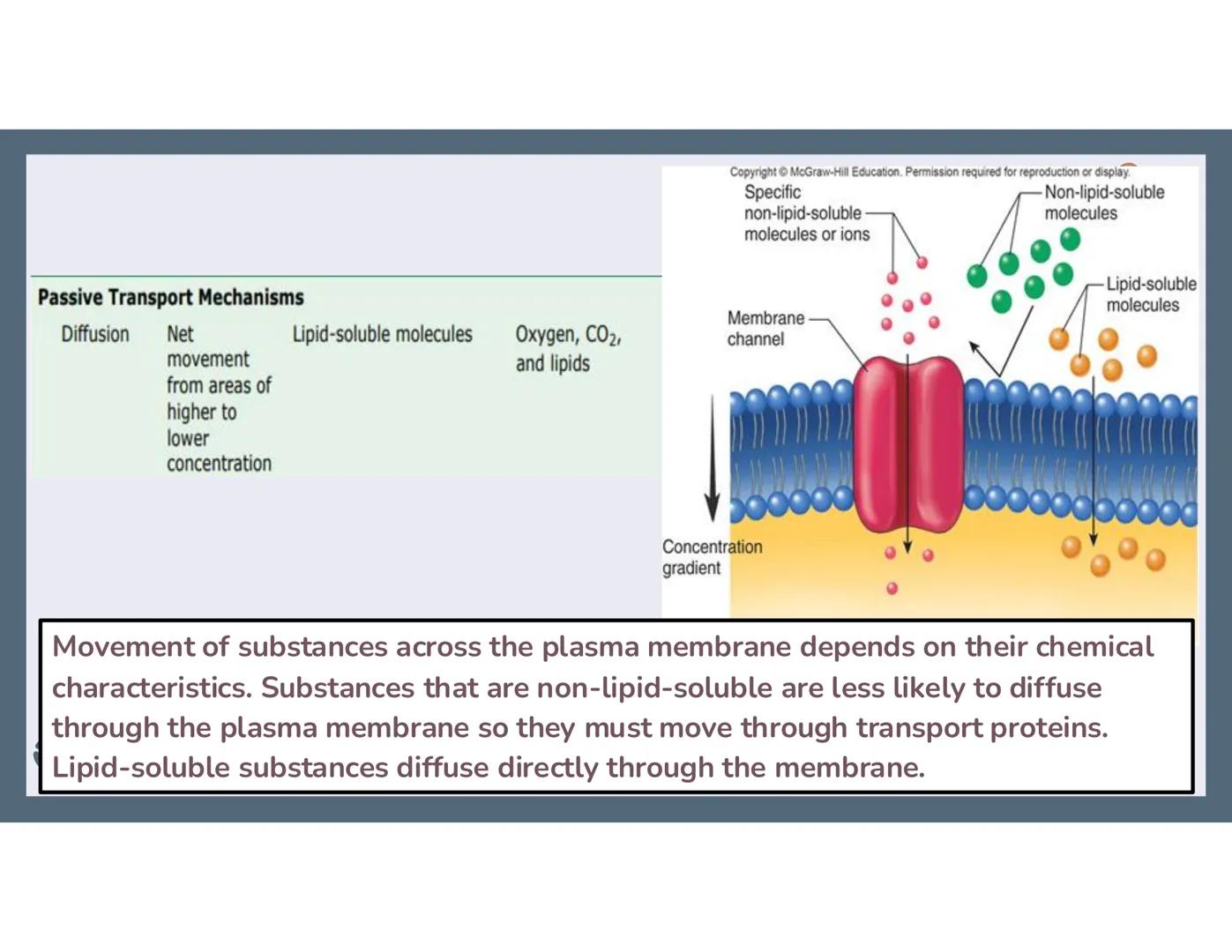
Diffusion is the movement of molecules from an area of higher concentration to lower concentration. Lipid-soluble molecules like oxygen and carbon dioxide can diffuse directly through the membrane. Non-lipid-soluble molecules need help from transport proteins.
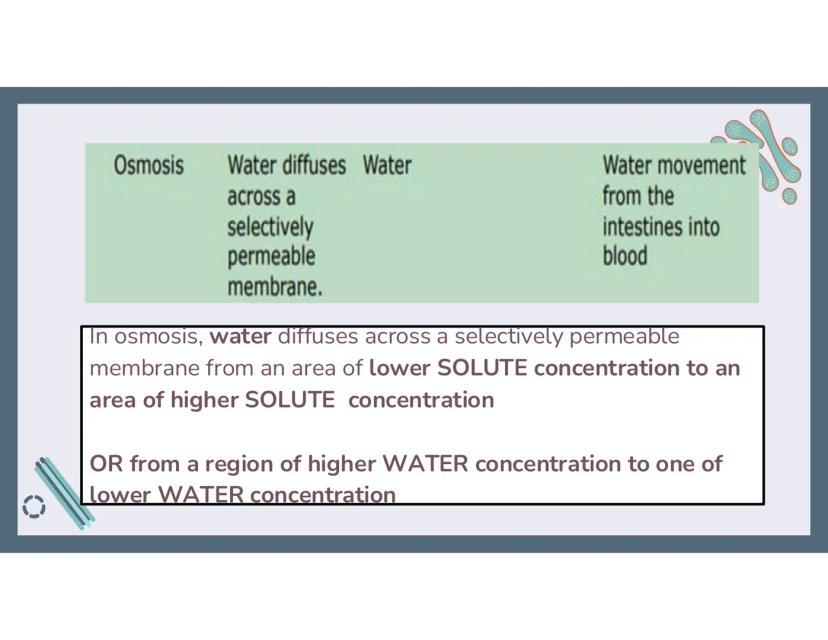
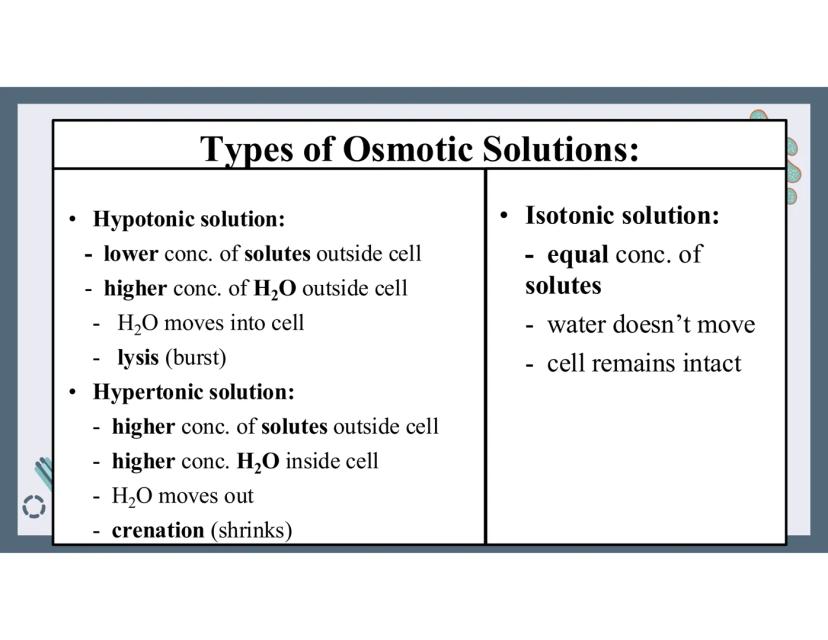
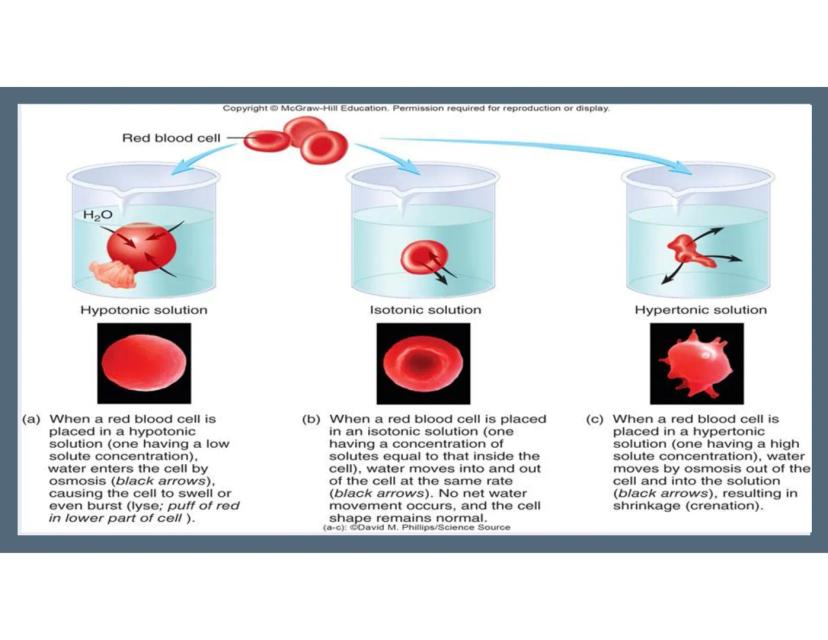
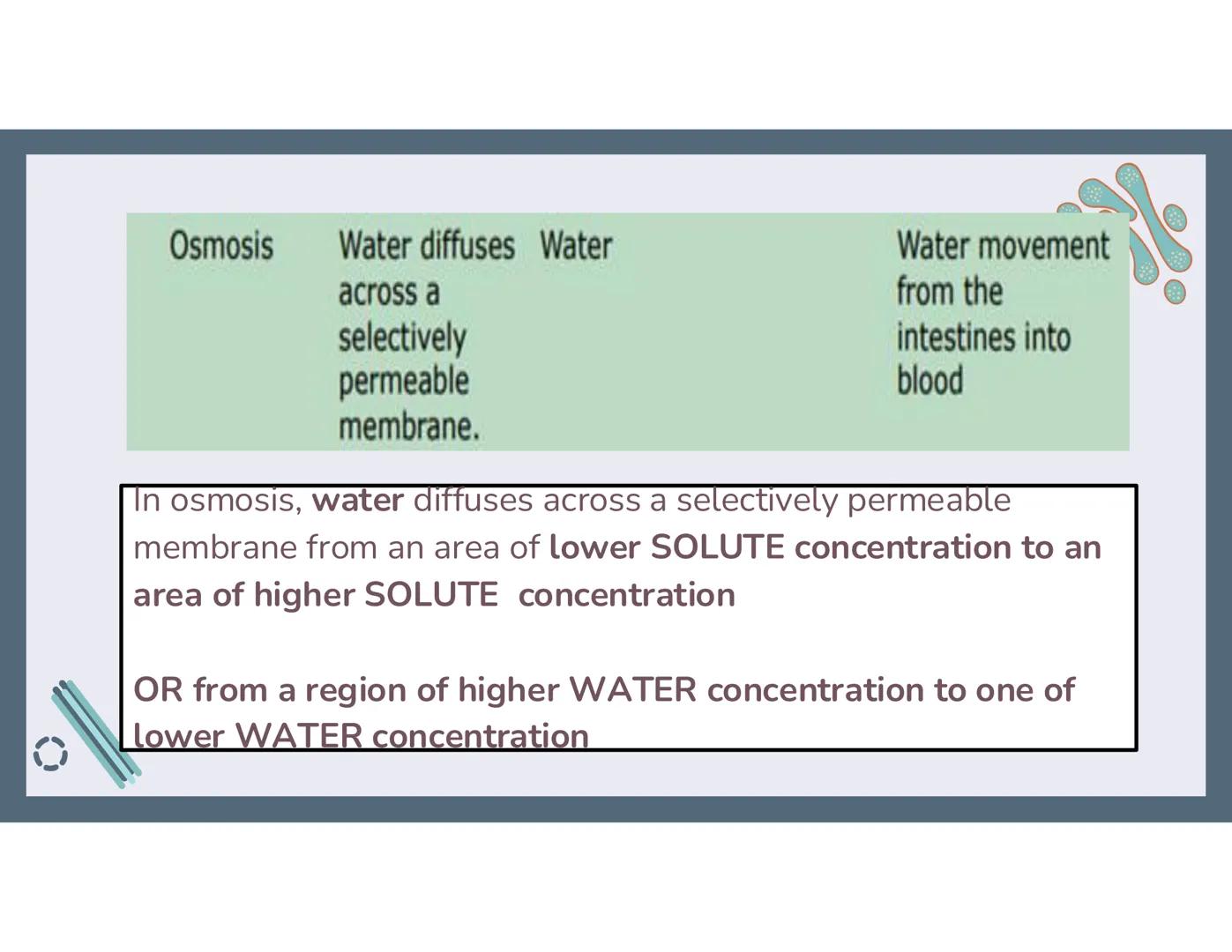
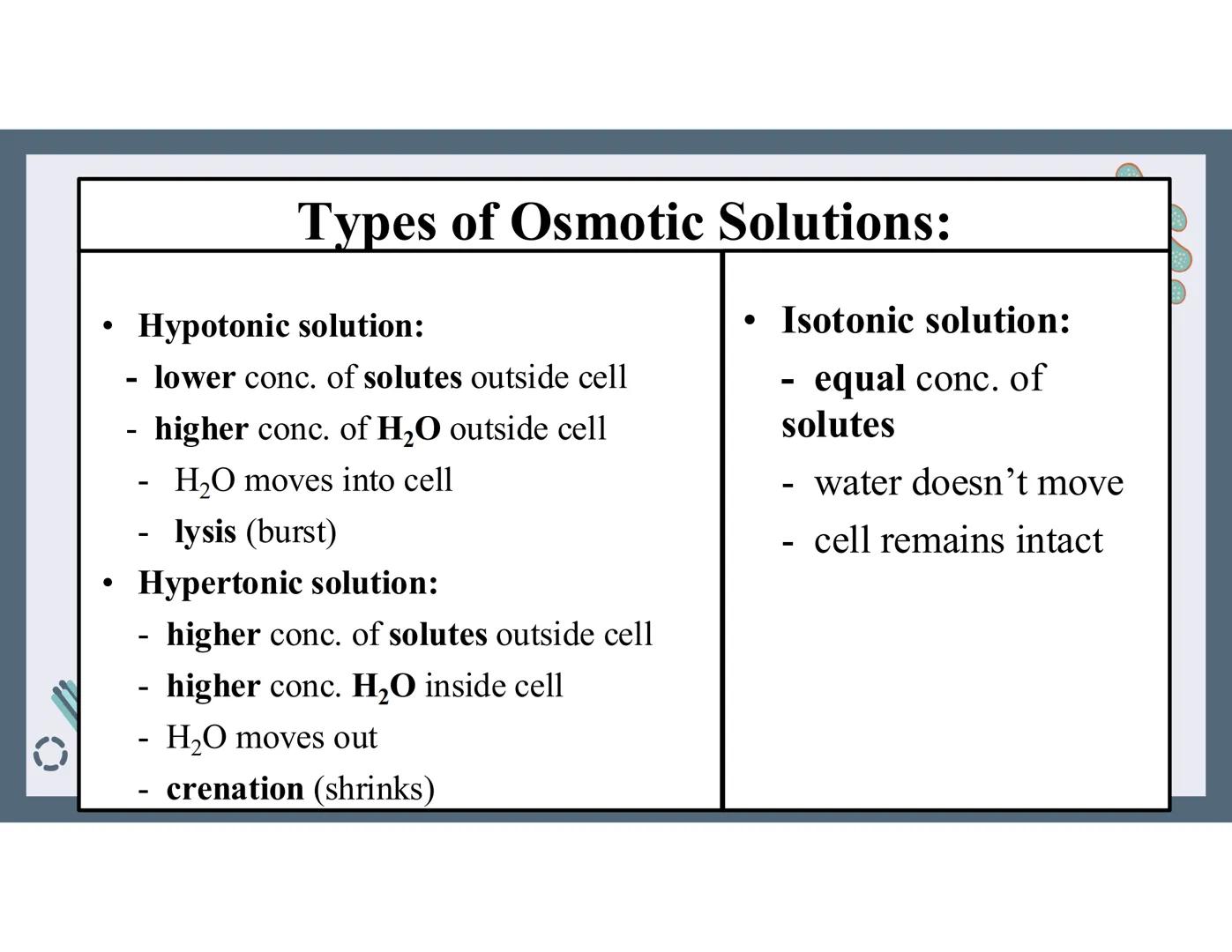
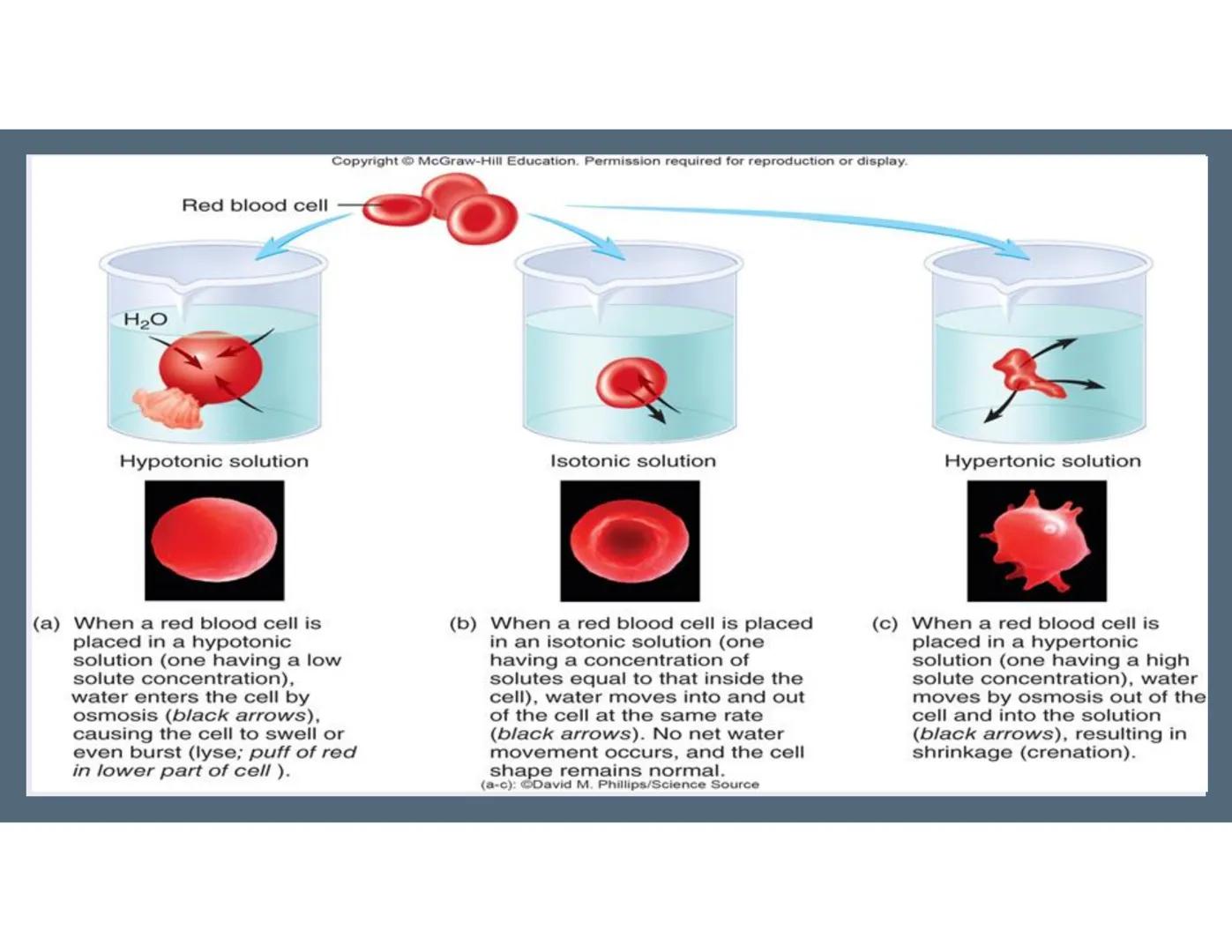
Osmosis is simply water diffusion across a membrane. Water moves from areas of lower solute concentration (more water) to areas of higher solute concentration (less water). This movement creates three possible conditions for cells:
Think about it: Red blood cells in the wrong solution can either burst or shrink—that's why medical IVs must contain carefully balanced salt solutions!
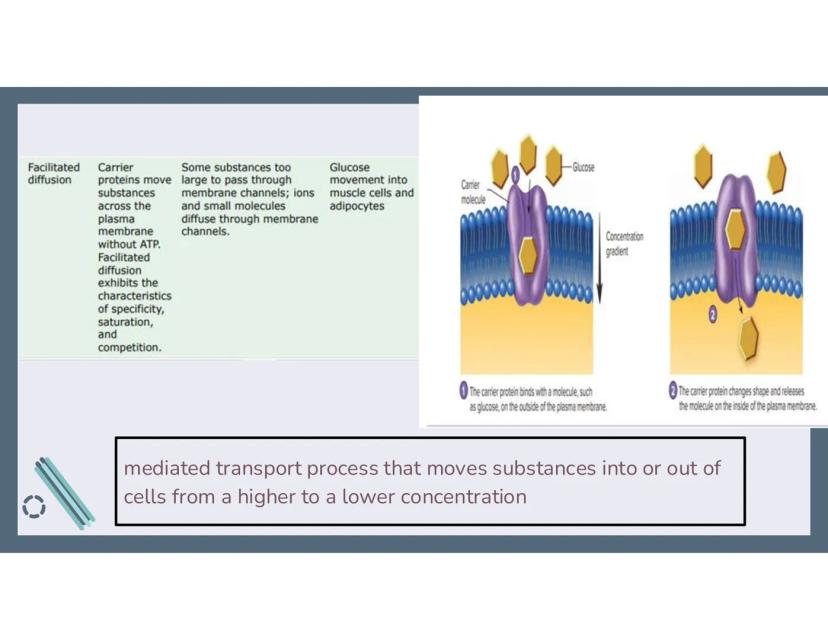
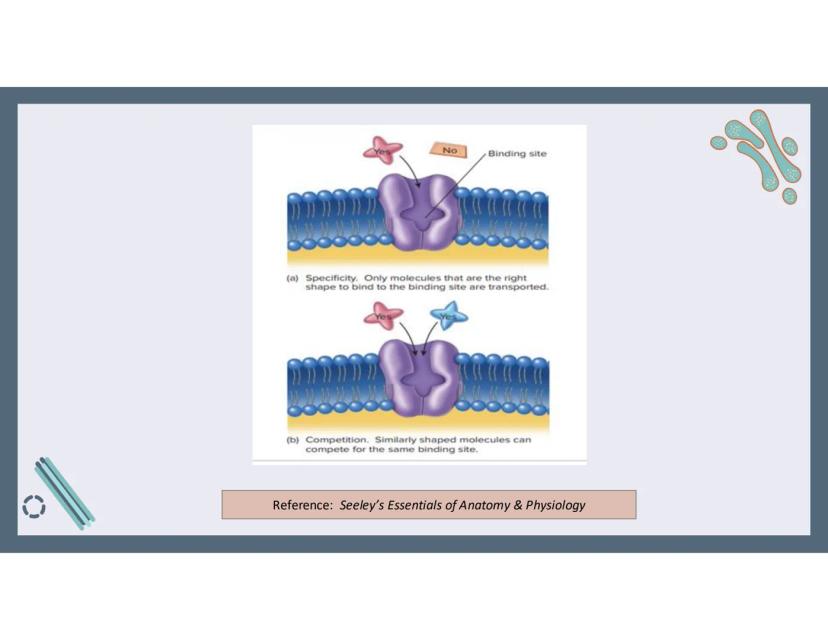
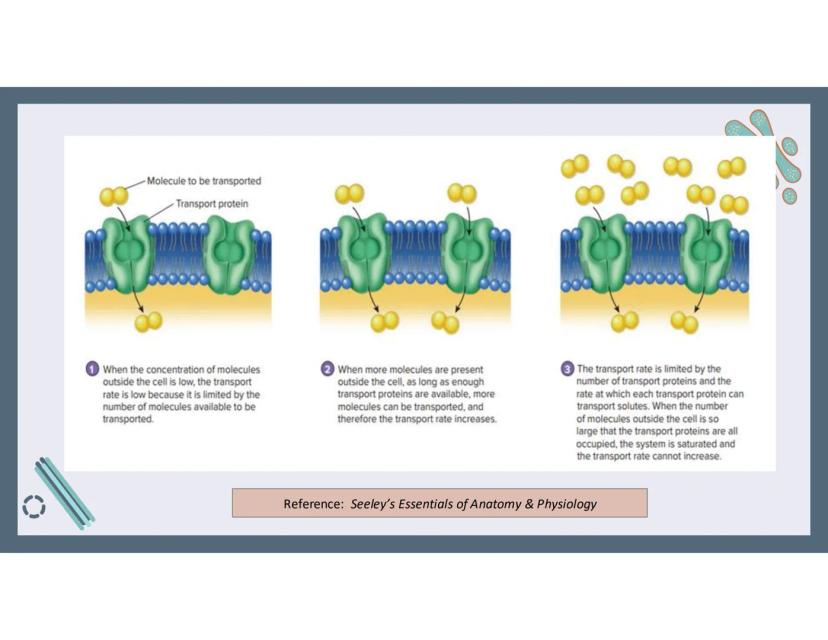
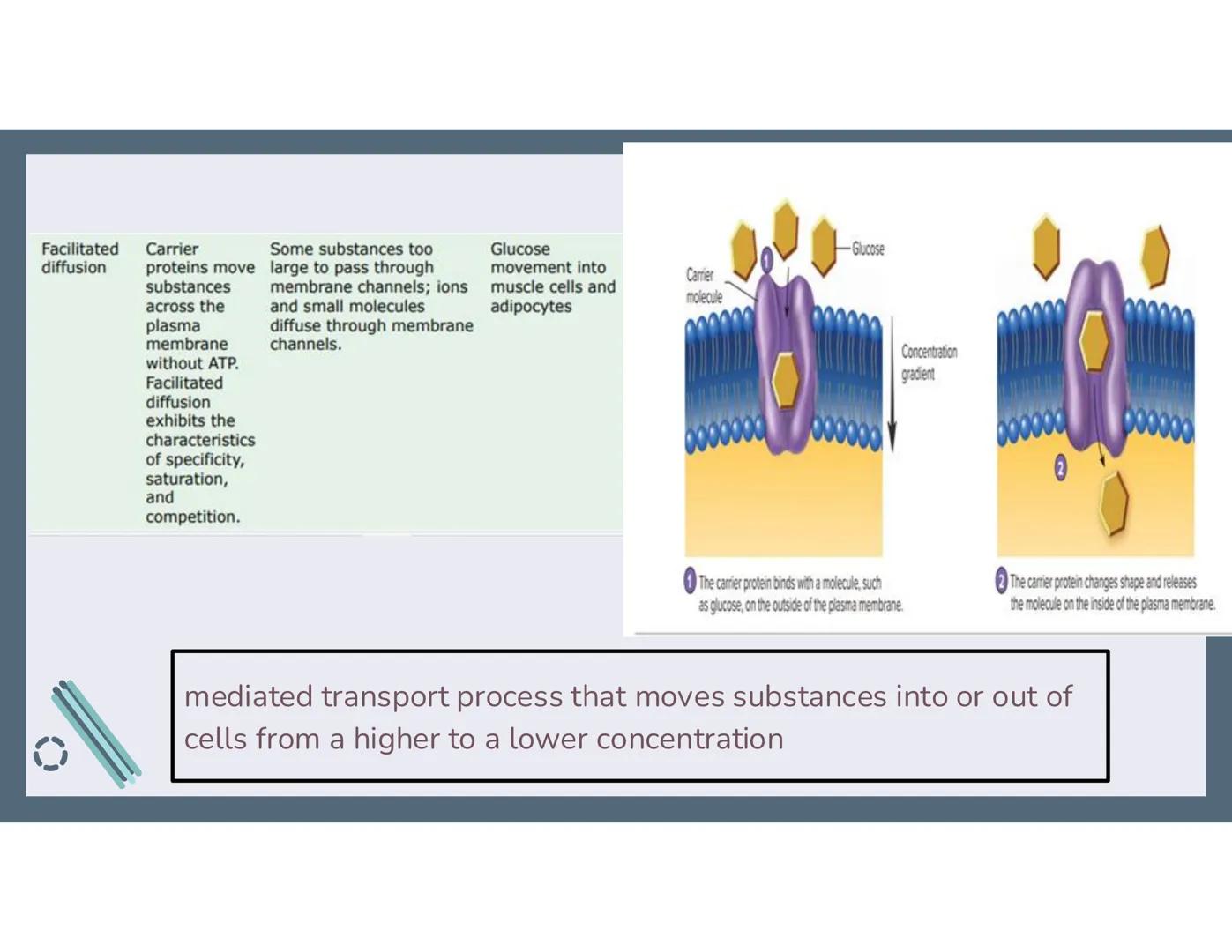
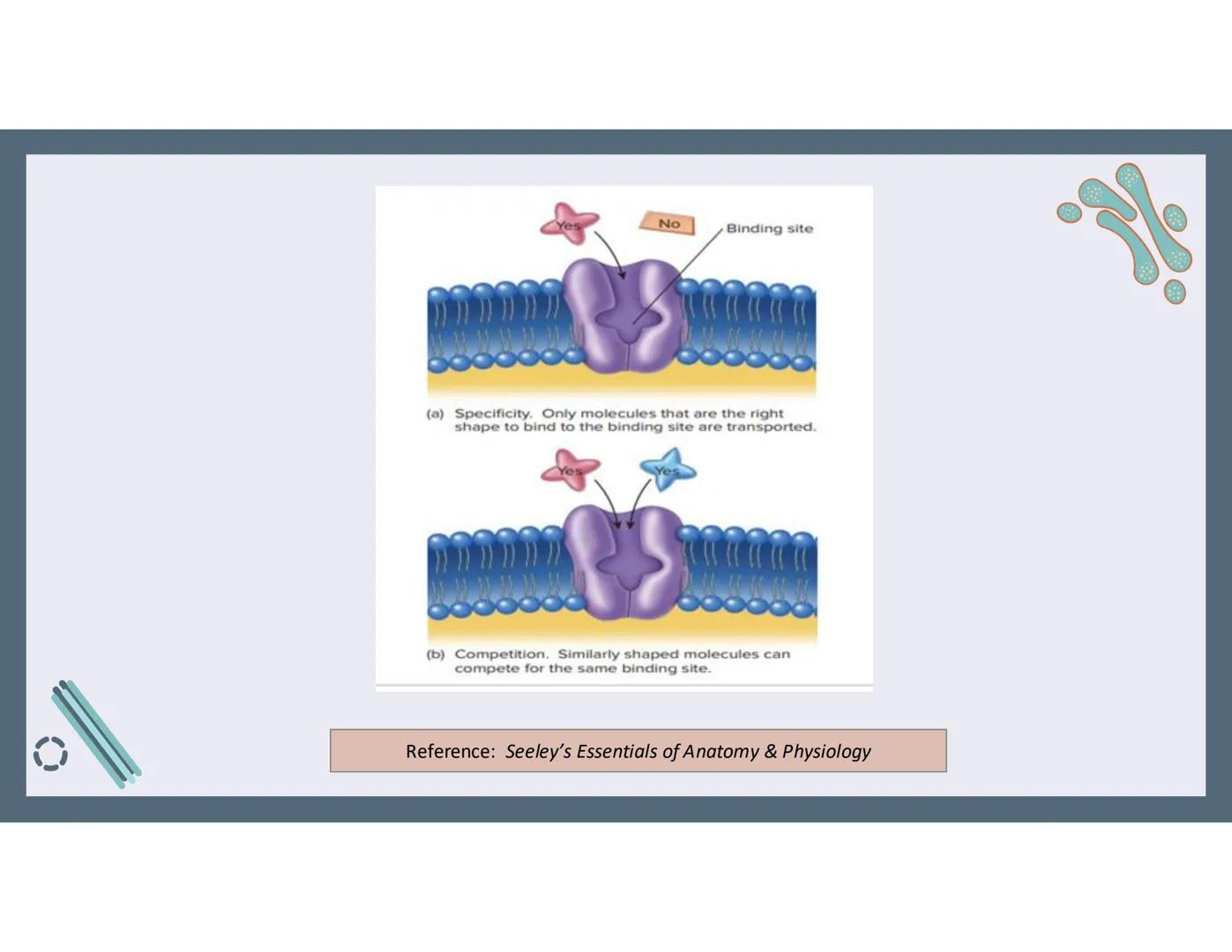
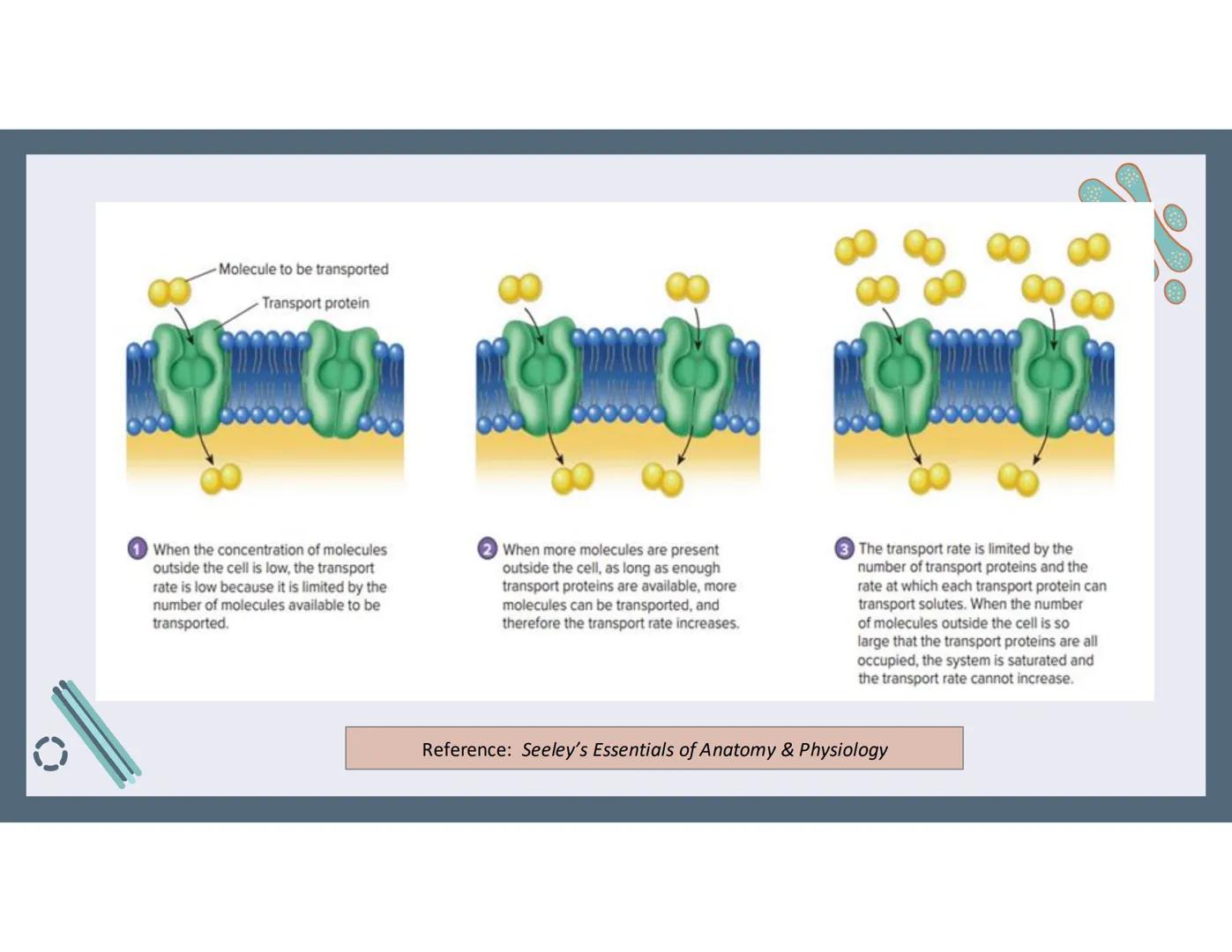
Facilitated diffusion uses carrier proteins to move substances across the membrane without using energy. These proteins show three important characteristics:
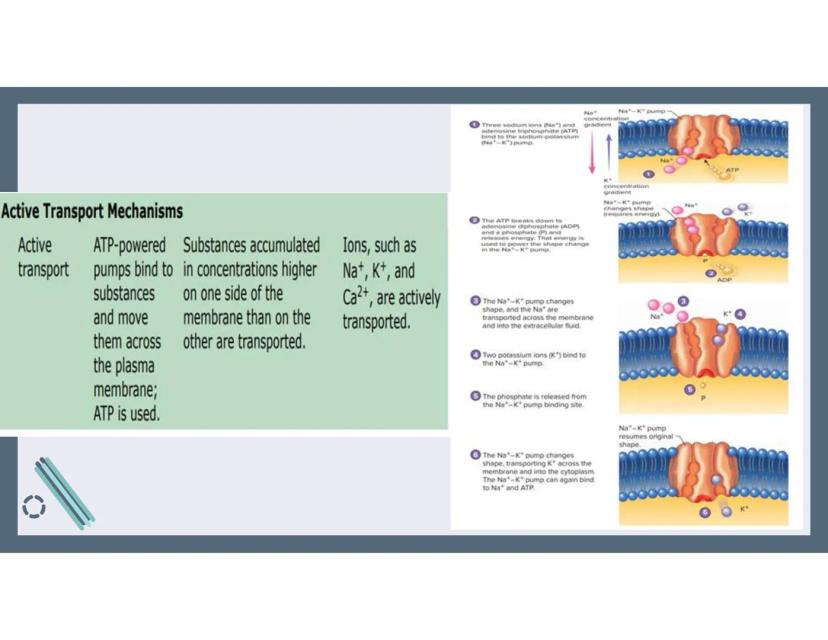
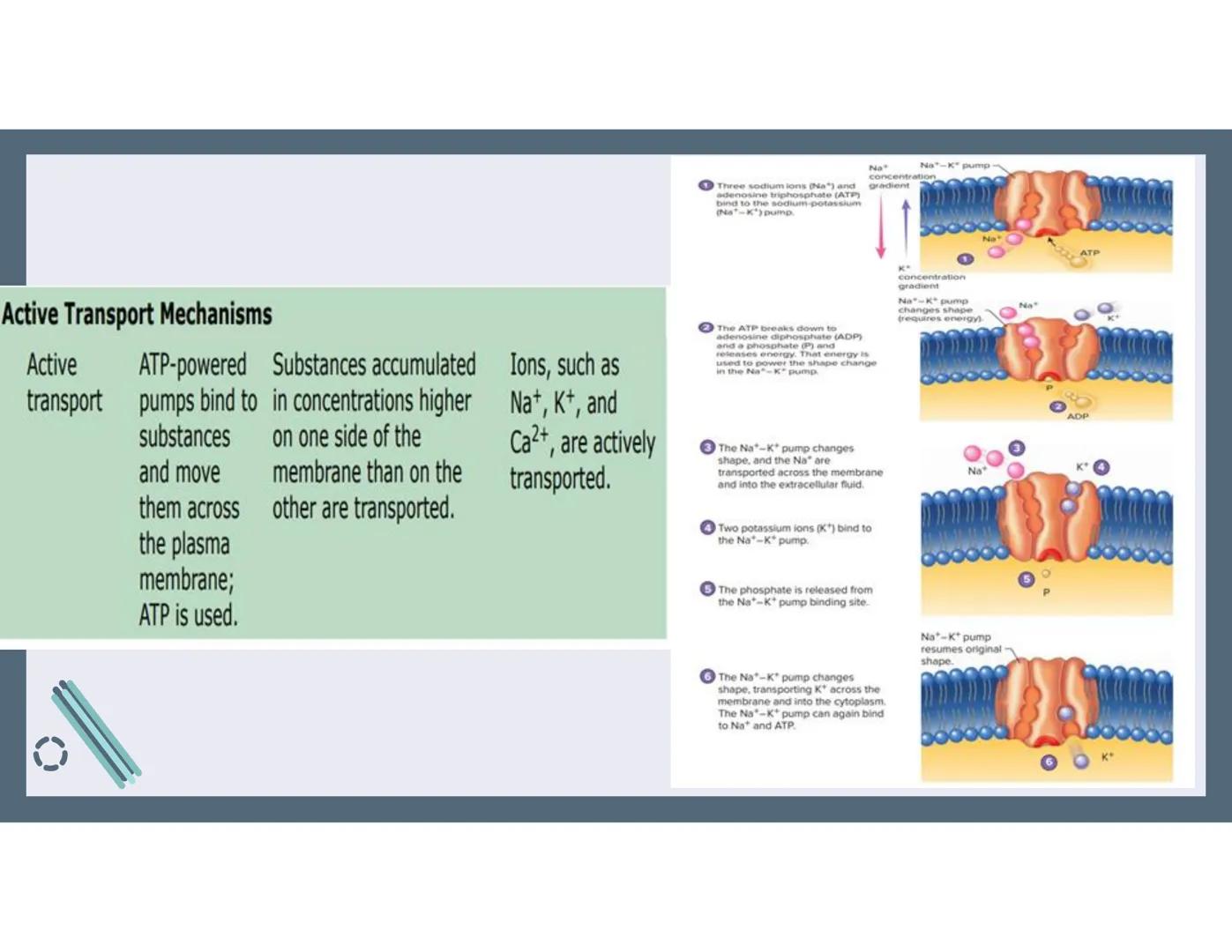
When cells need to move substances against their concentration gradients, they use active transport processes that require energy (ATP). The sodium-potassium pump is a classic example—it moves sodium ions out of the cell and potassium ions in, maintaining crucial concentration gradients.
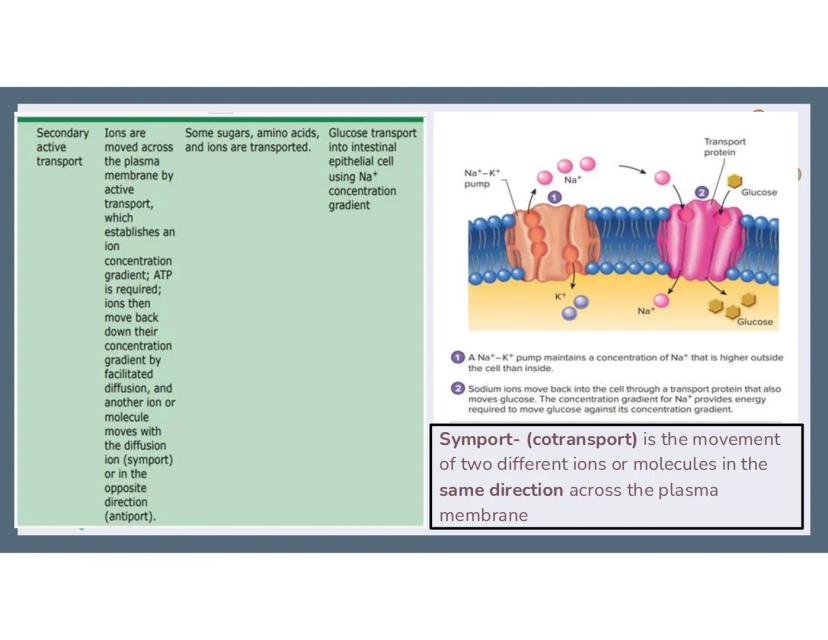
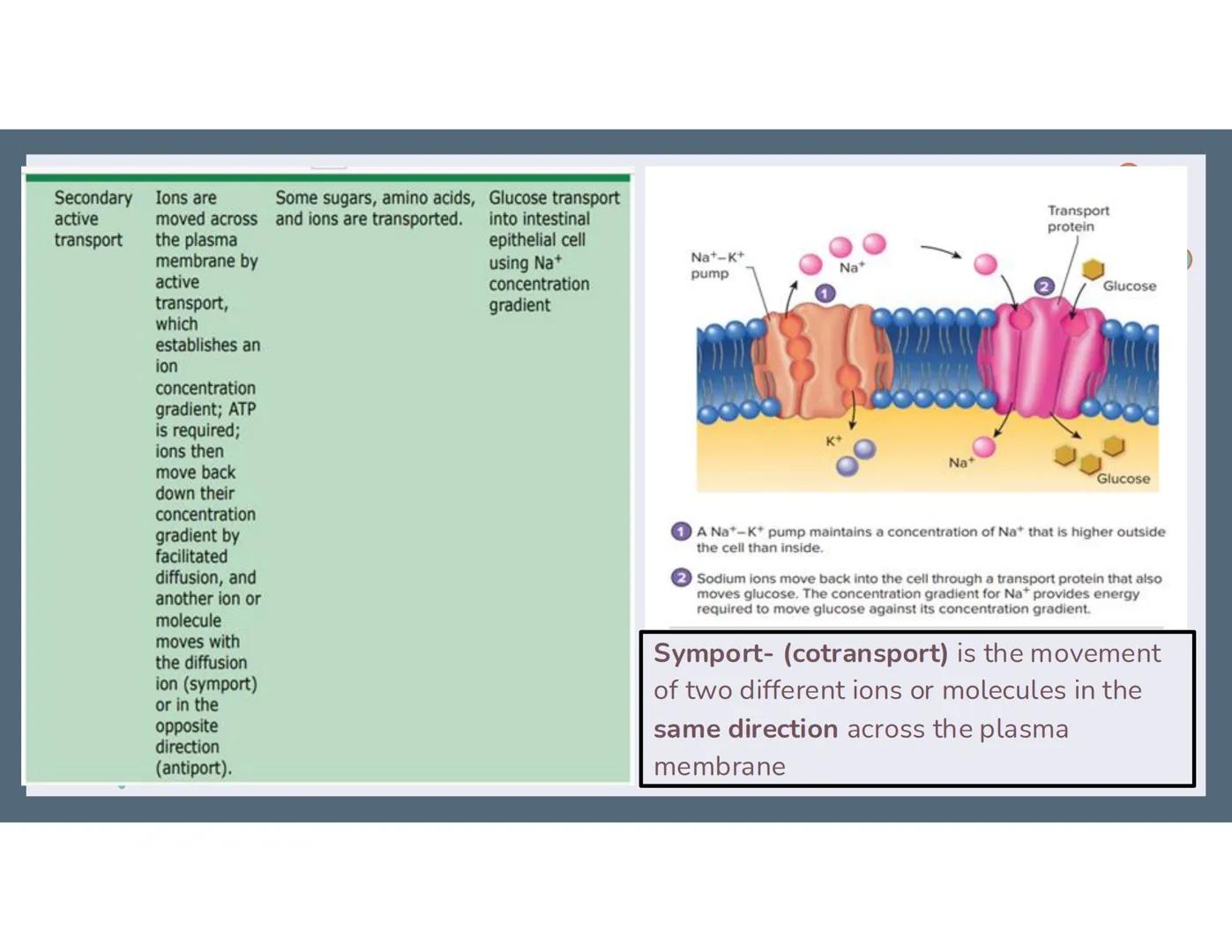
Secondary active transport cleverly uses ion concentration gradients created by primary active transport to power the movement of other substances. For example, glucose can enter cells by "hitching a ride" with sodium ions moving down their concentration gradient.
Pro tip: Think of passive transport as going downhill (no energy needed) and active transport as going uphill (energy required)!
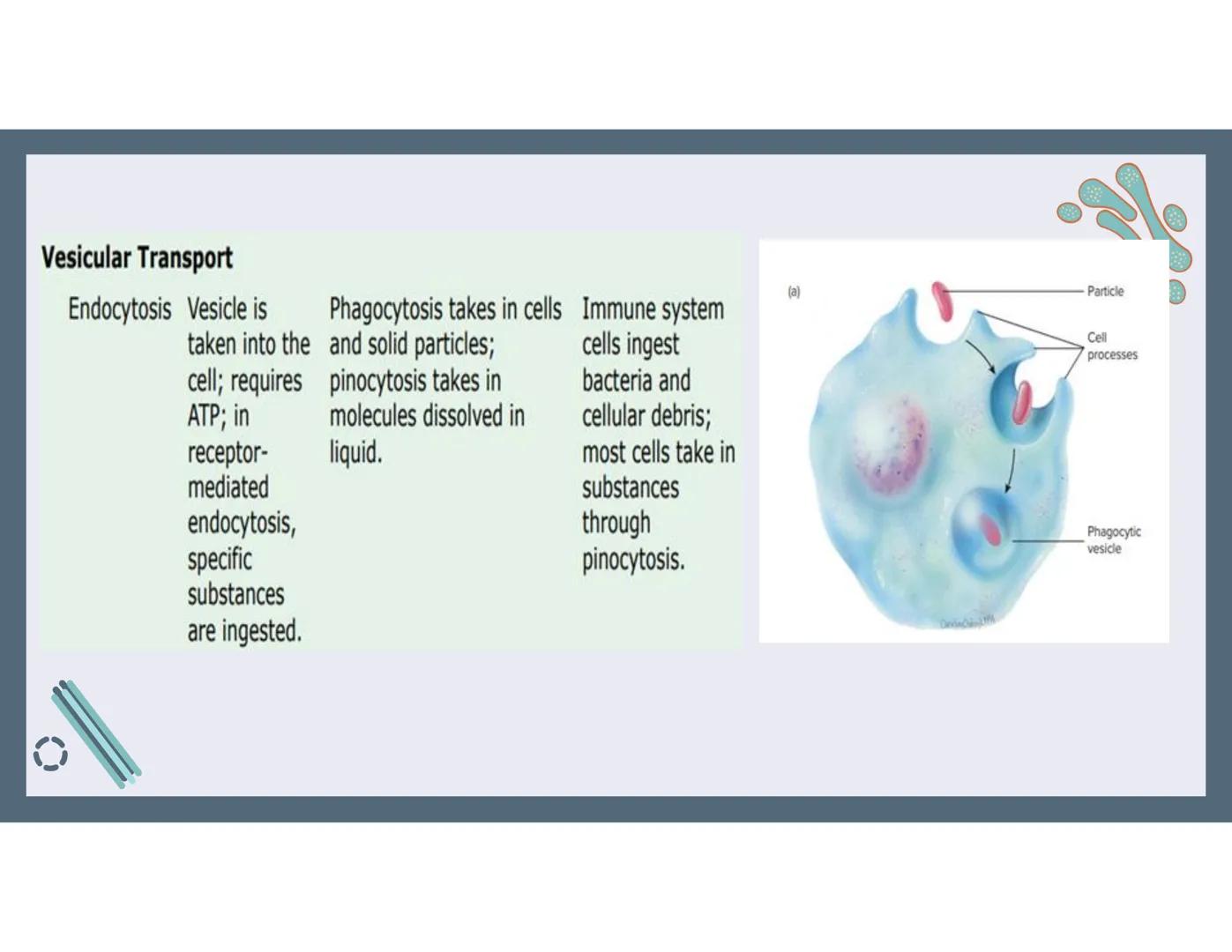
Sometimes cells need to move larger materials or bulk quantities across the membrane. For these situations, they use vesicles—small membrane-enclosed compartments.
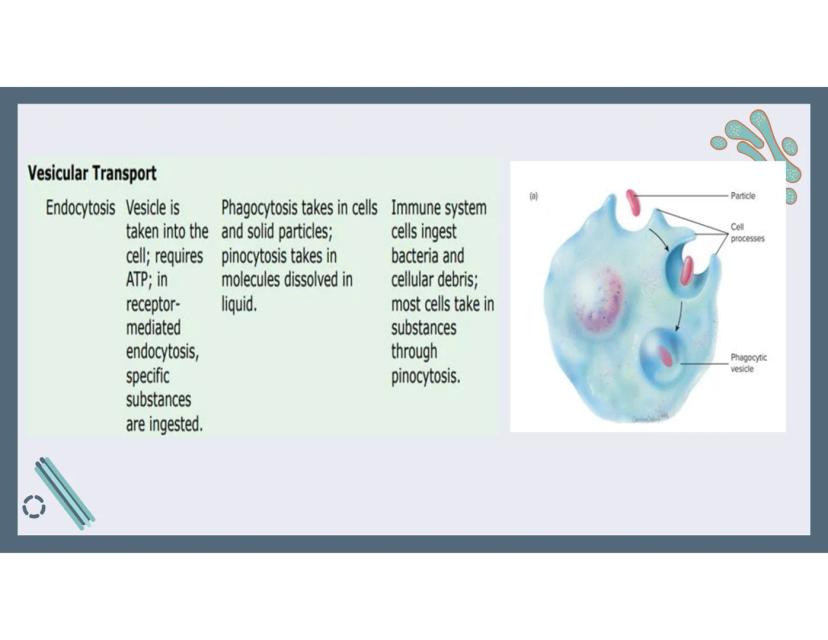
Endocytosis brings materials into the cell by forming vesicles from the plasma membrane. This happens in different ways:
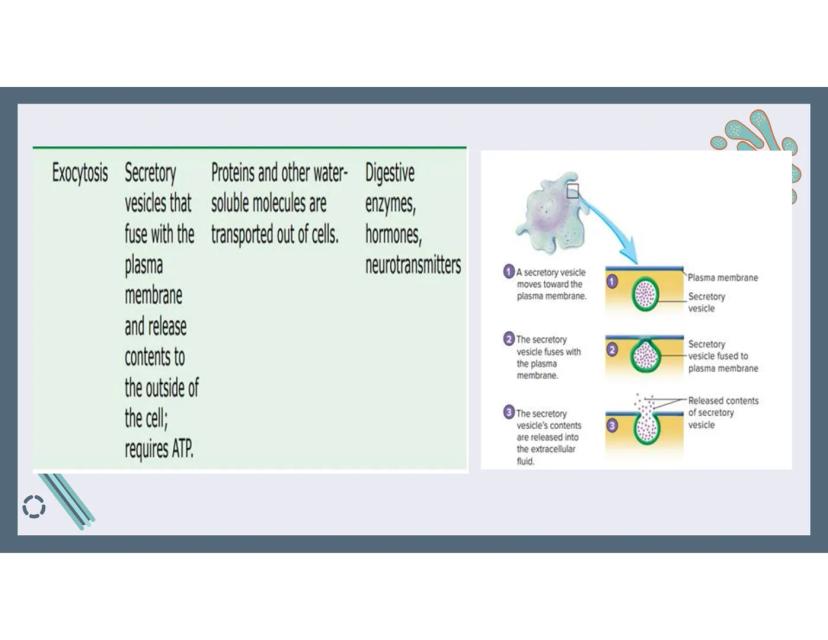
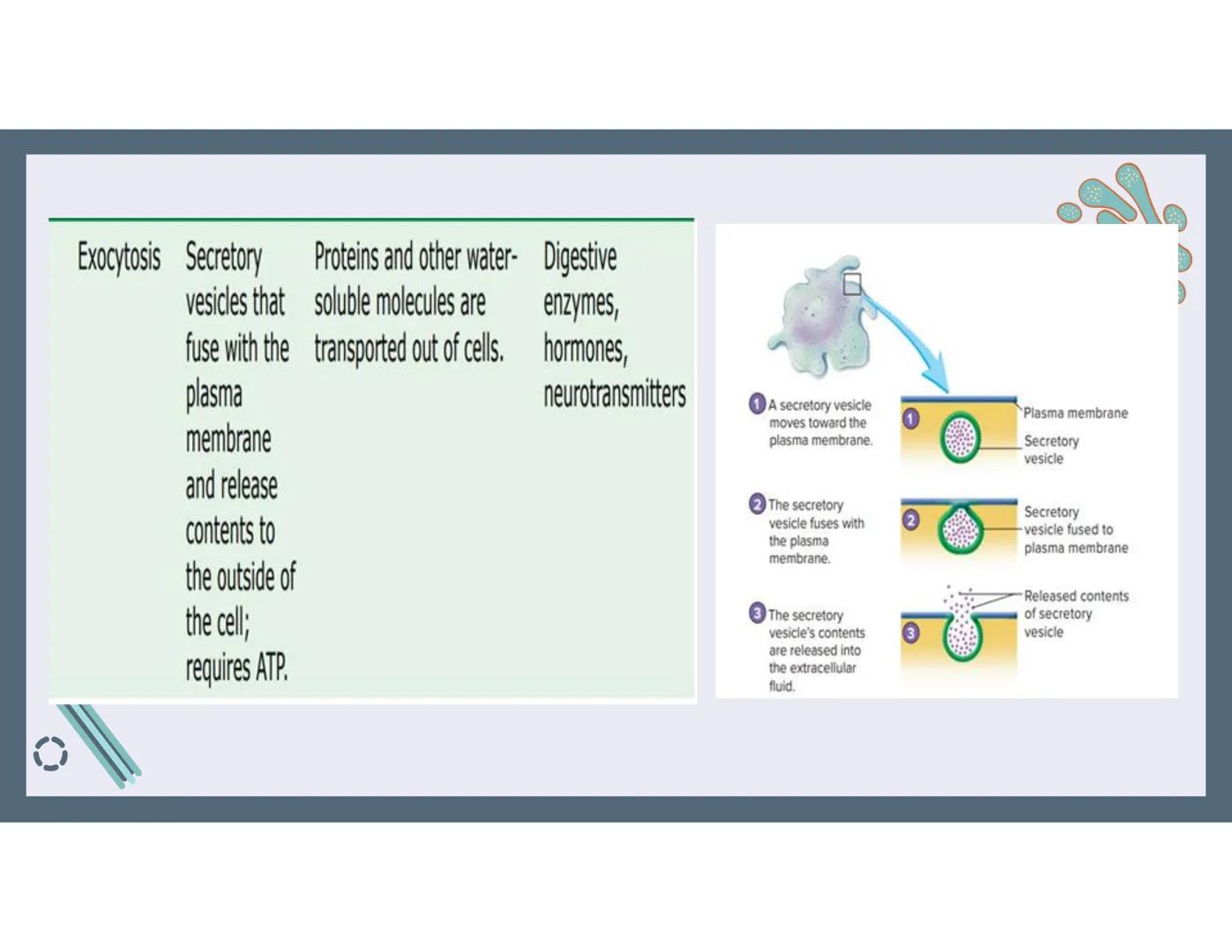
Exocytosis does the opposite—it releases materials from the cell. Secretory vesicles inside the cell fuse with the plasma membrane, releasing their contents outside. This process expels waste products and secretes important molecules like hormones and digestive enzymes.
Did you know? Your immune cells use phagocytosis to "eat" harmful bacteria and protect you from infection!
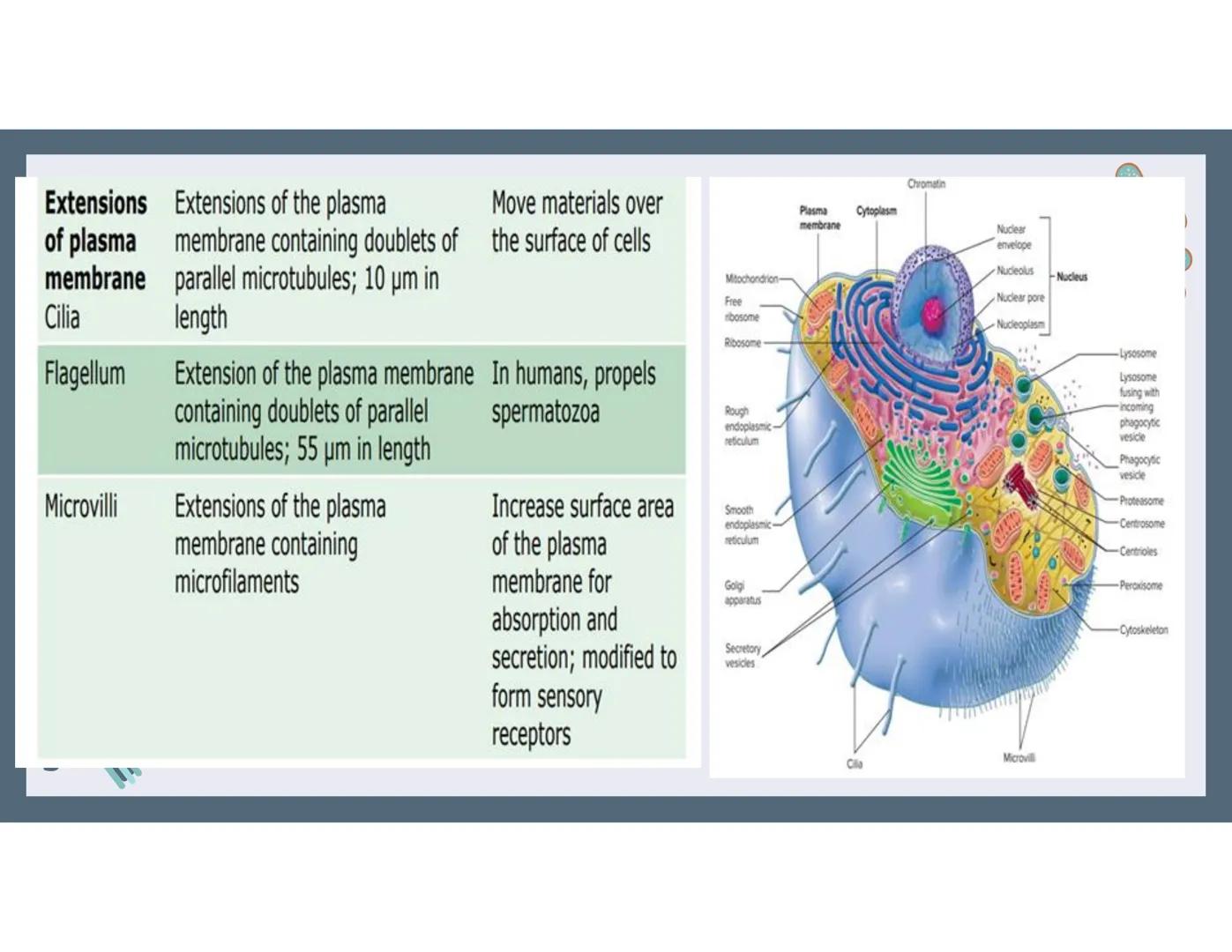
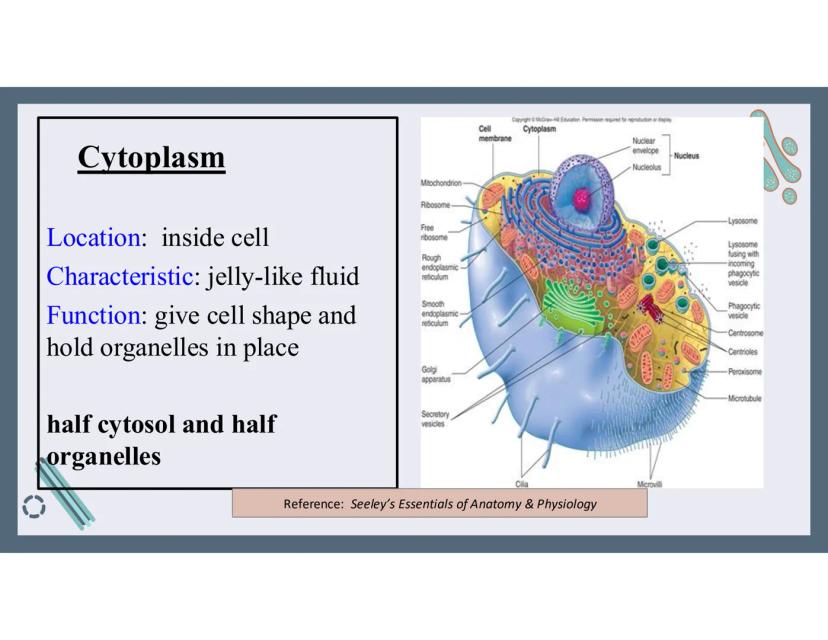
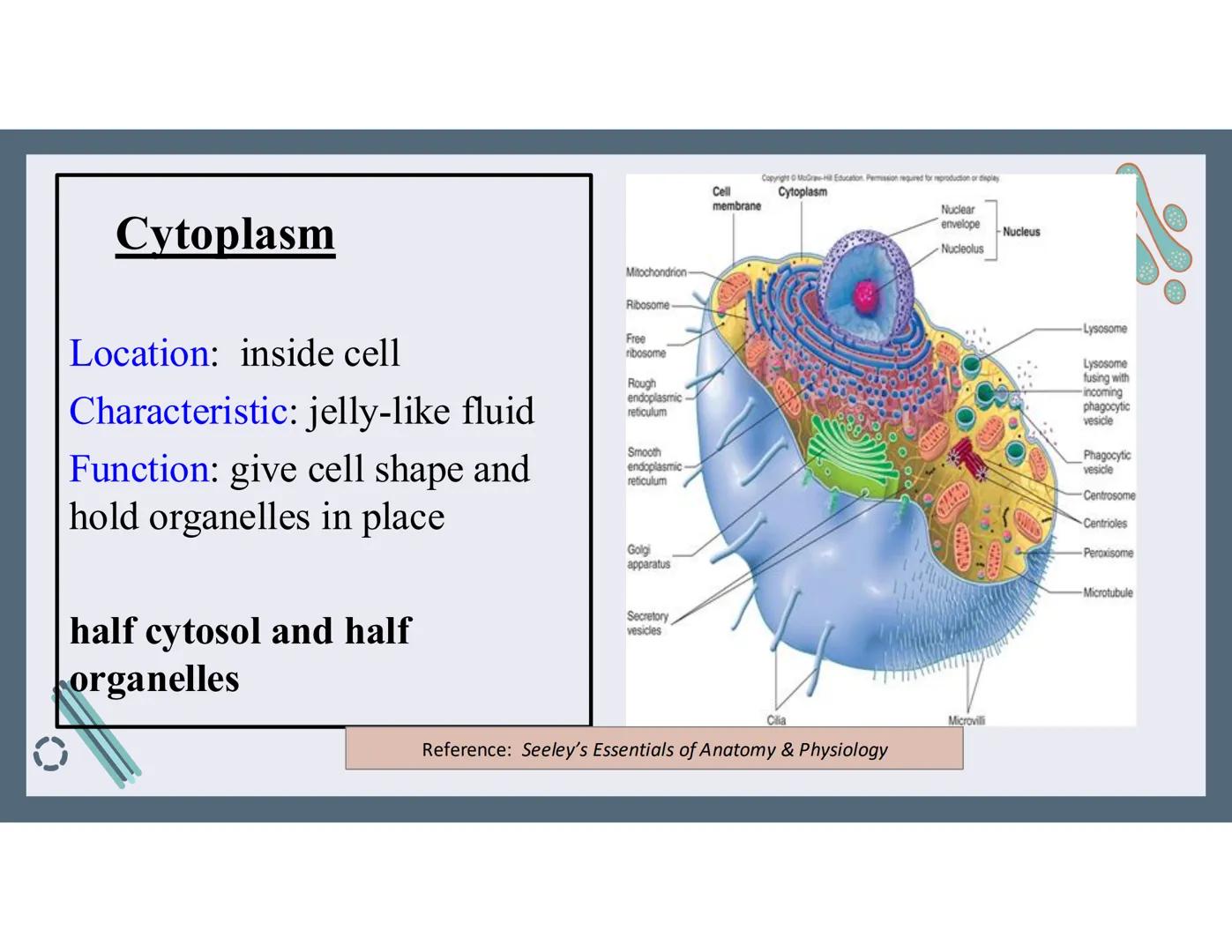
The cytoplasm is much more than just cell filling—it's a complex, jelly-like substance that gives cells shape and holds organelles in place. Approximately half is fluid (cytosol) and half is organelles.
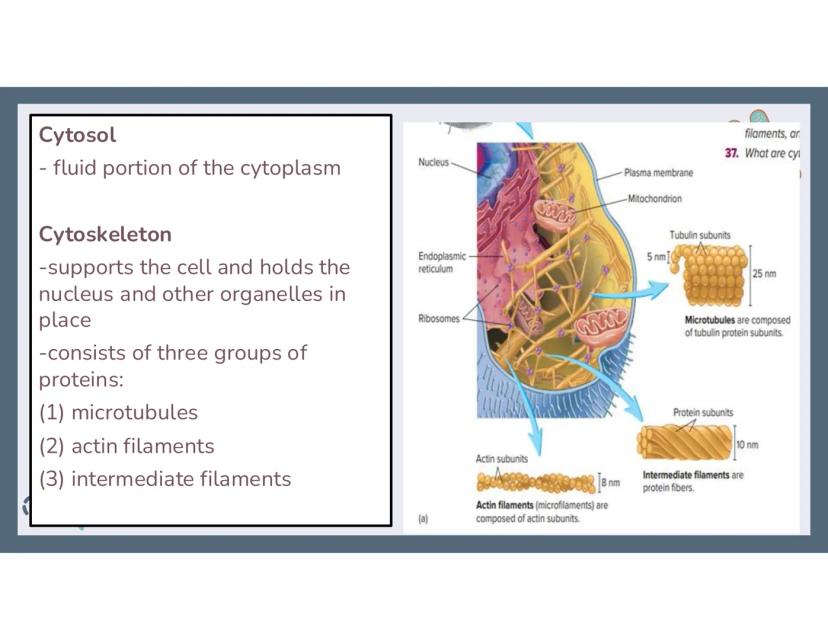
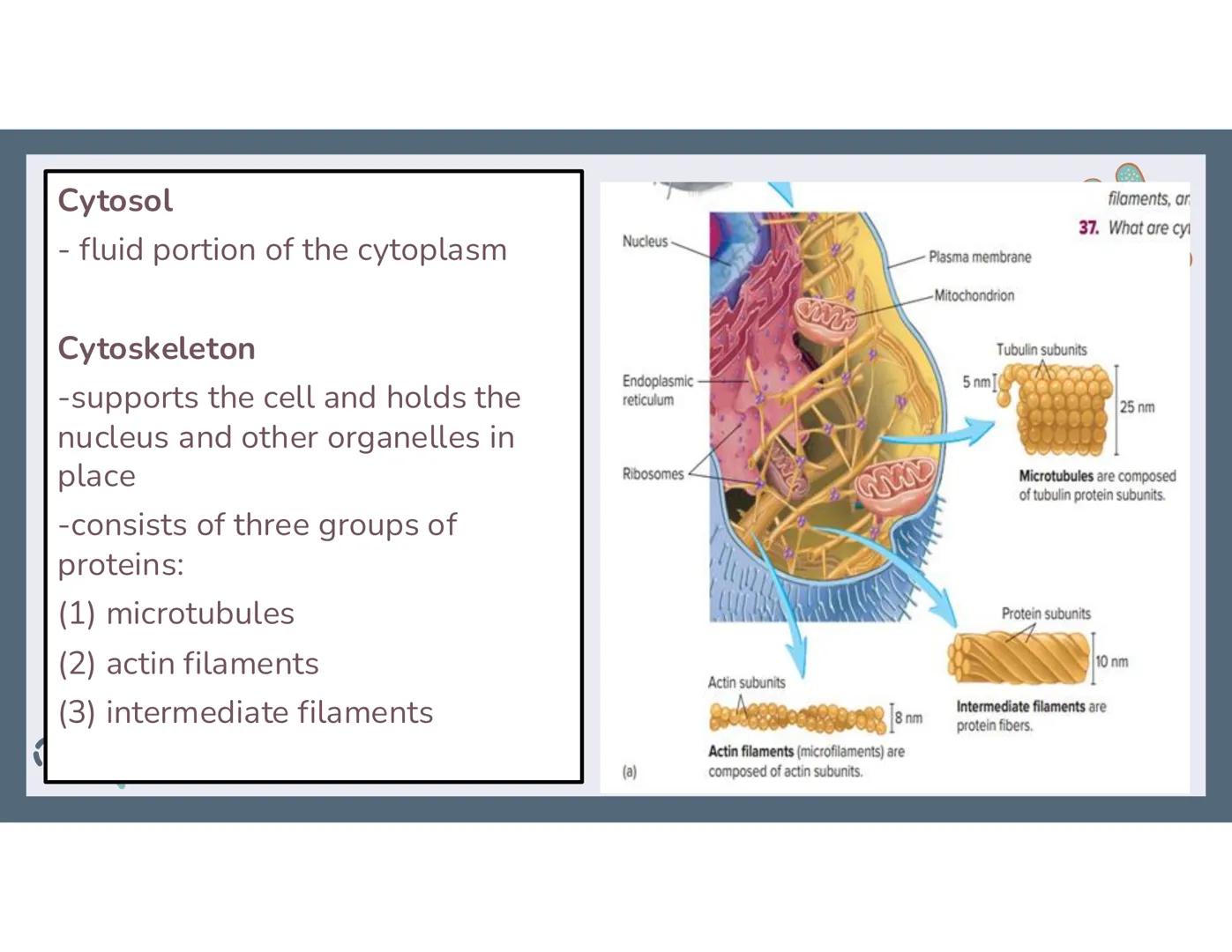
The cytoskeleton provides structural support, similar to how your skeleton supports your body. This internal framework consists of three main protein structures:
The cytoskeleton not only maintains cell shape but also assists in organelle positioning and cellular movement. It creates "highways" for transporting materials throughout the cell.
Remember: The cytoskeleton is constantly being built and broken down, making it a dynamic structure that adapts to the cell's changing needs!
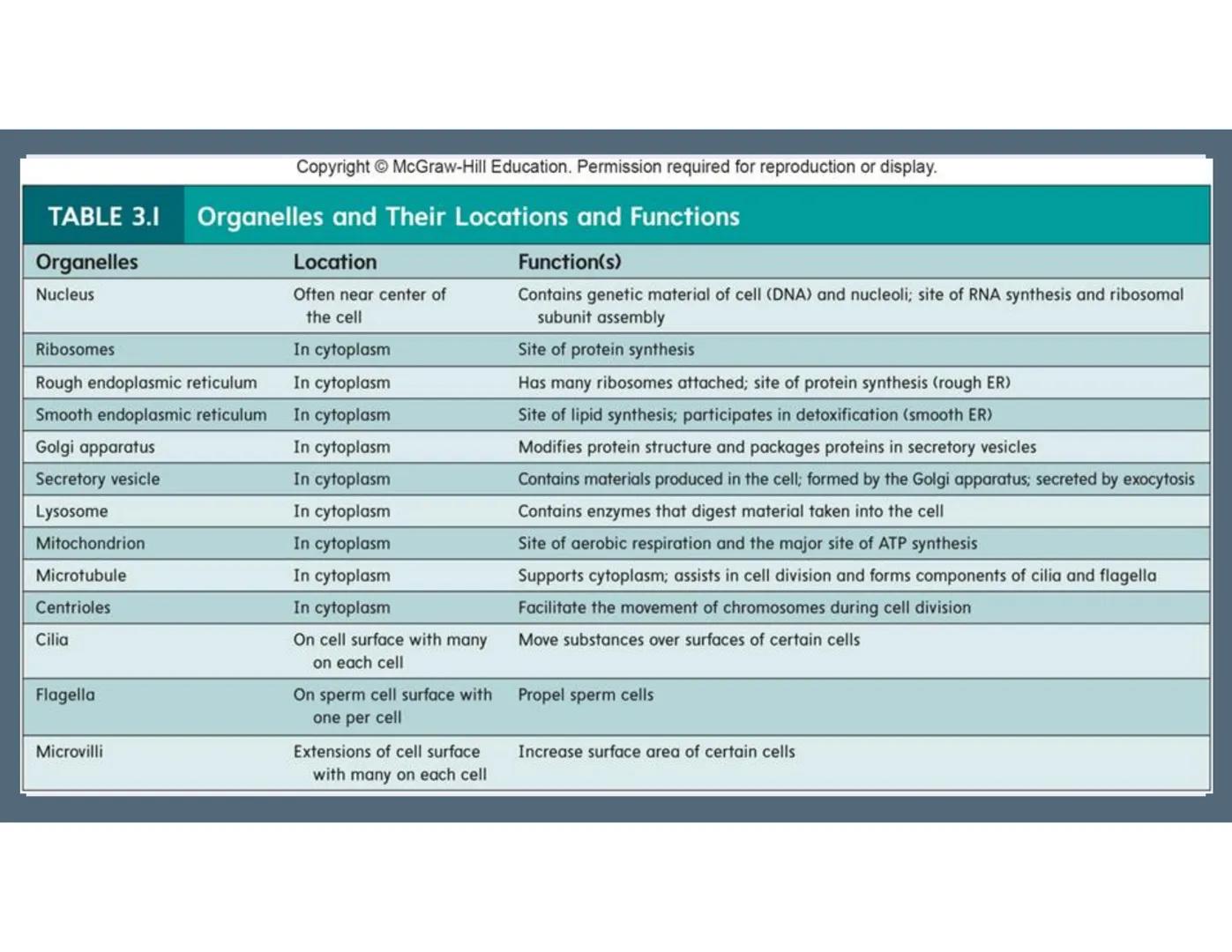
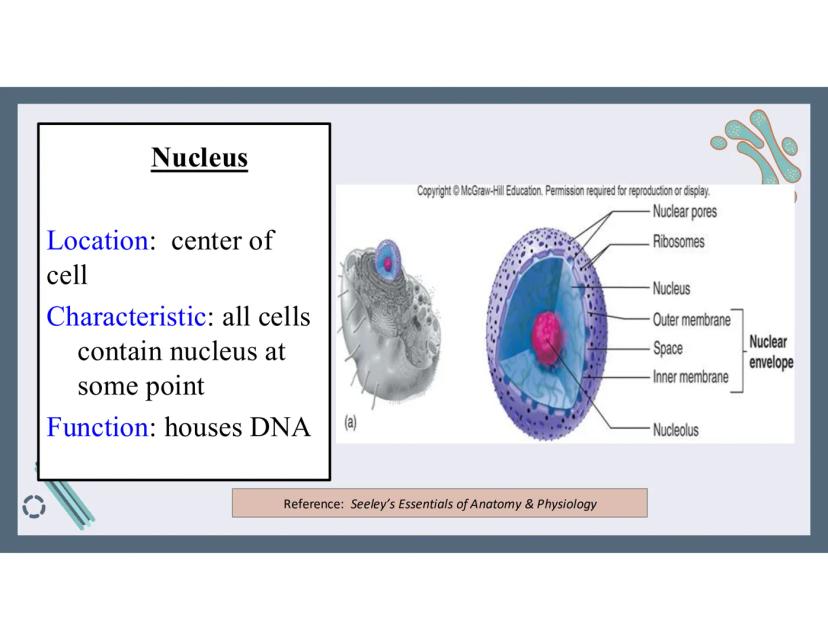
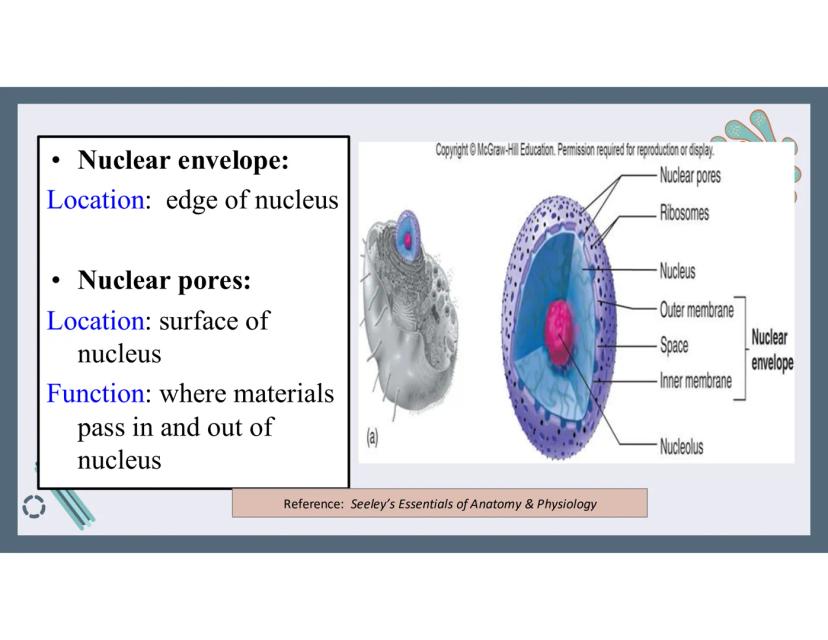
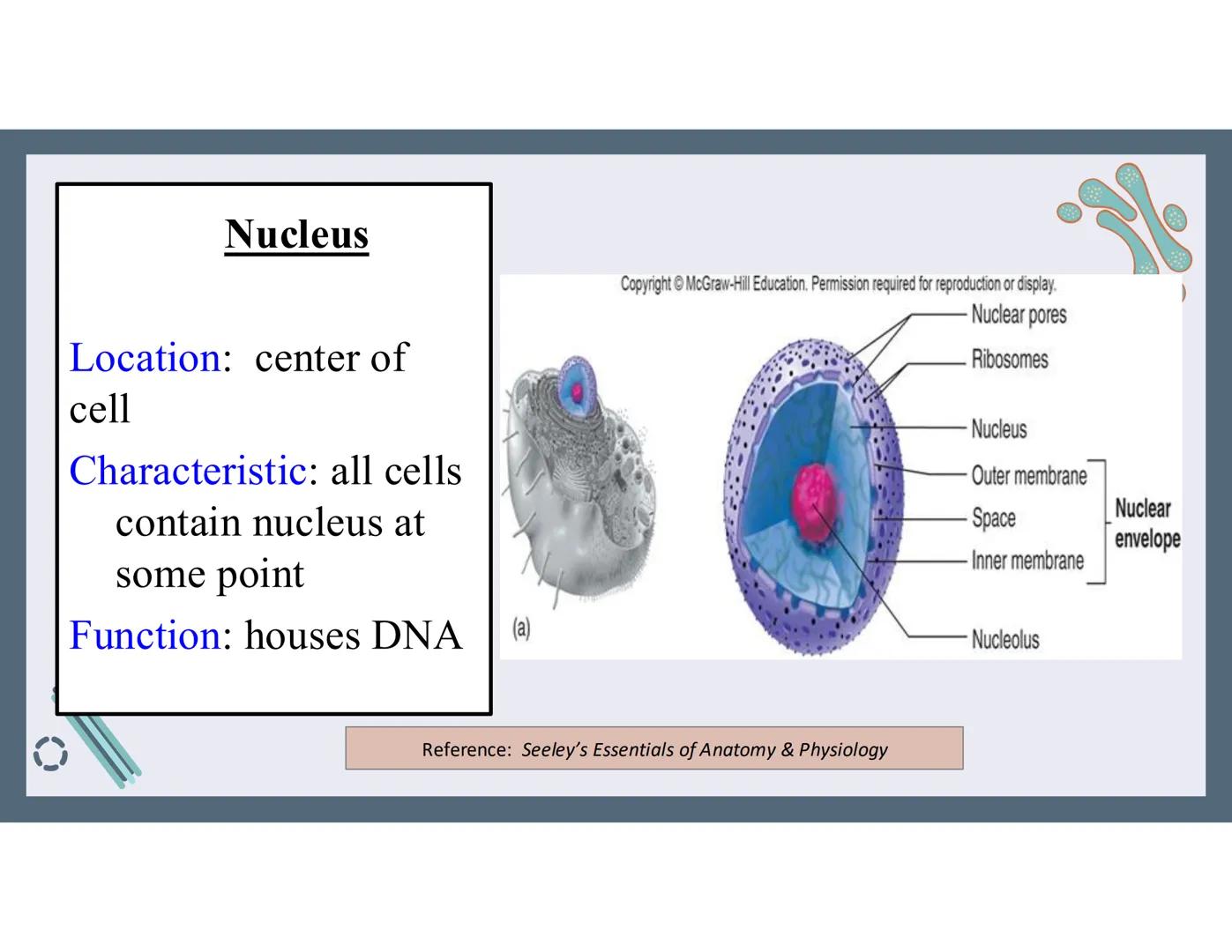
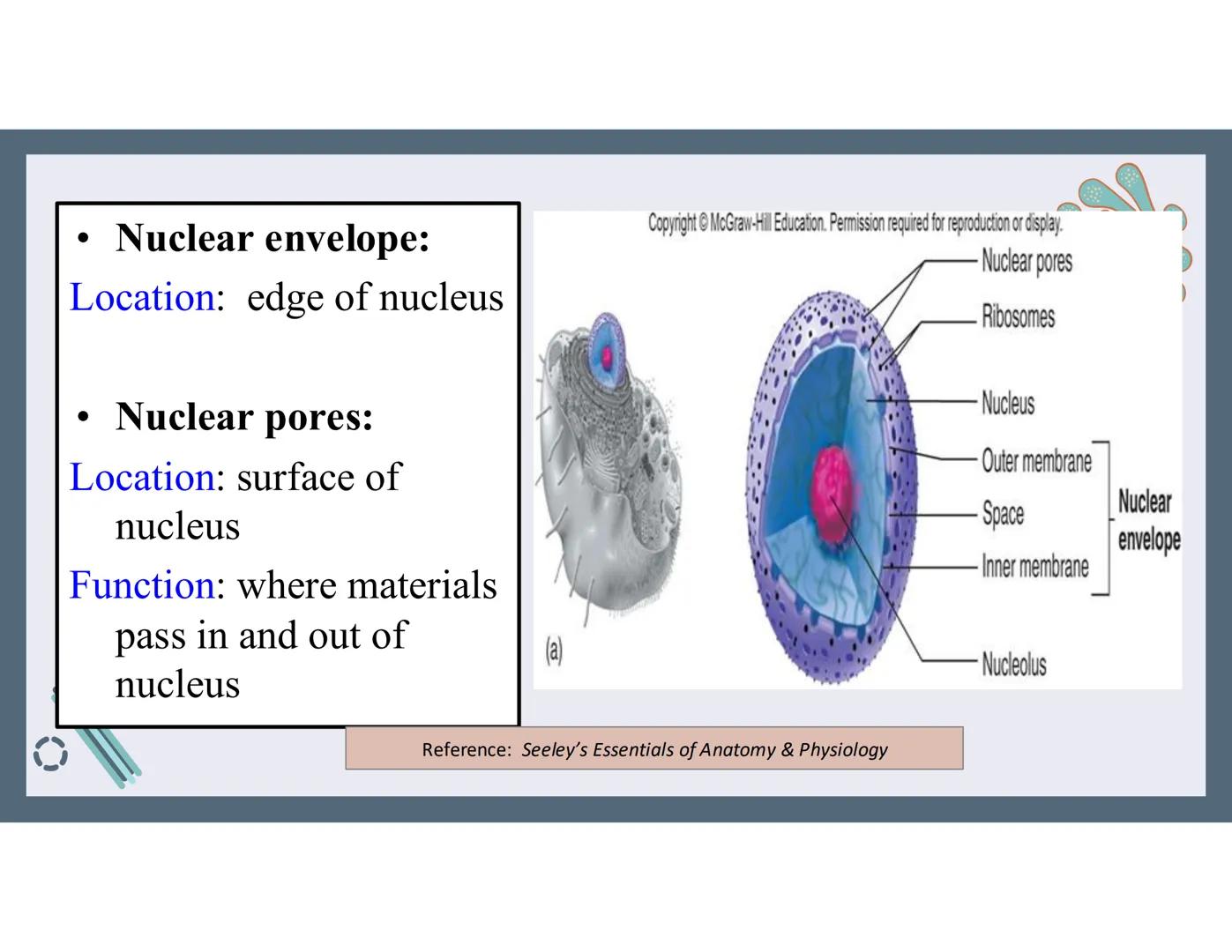
The nucleus is the cell's command center, housing DNA and controlling all cellular activities. It's surrounded by a nuclear envelope with nuclear pores that regulate what enters and exits.
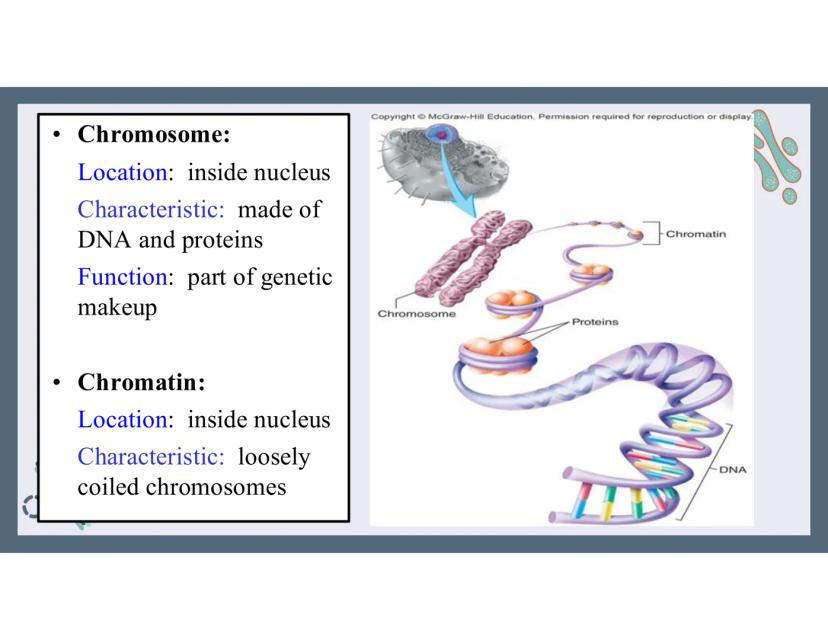
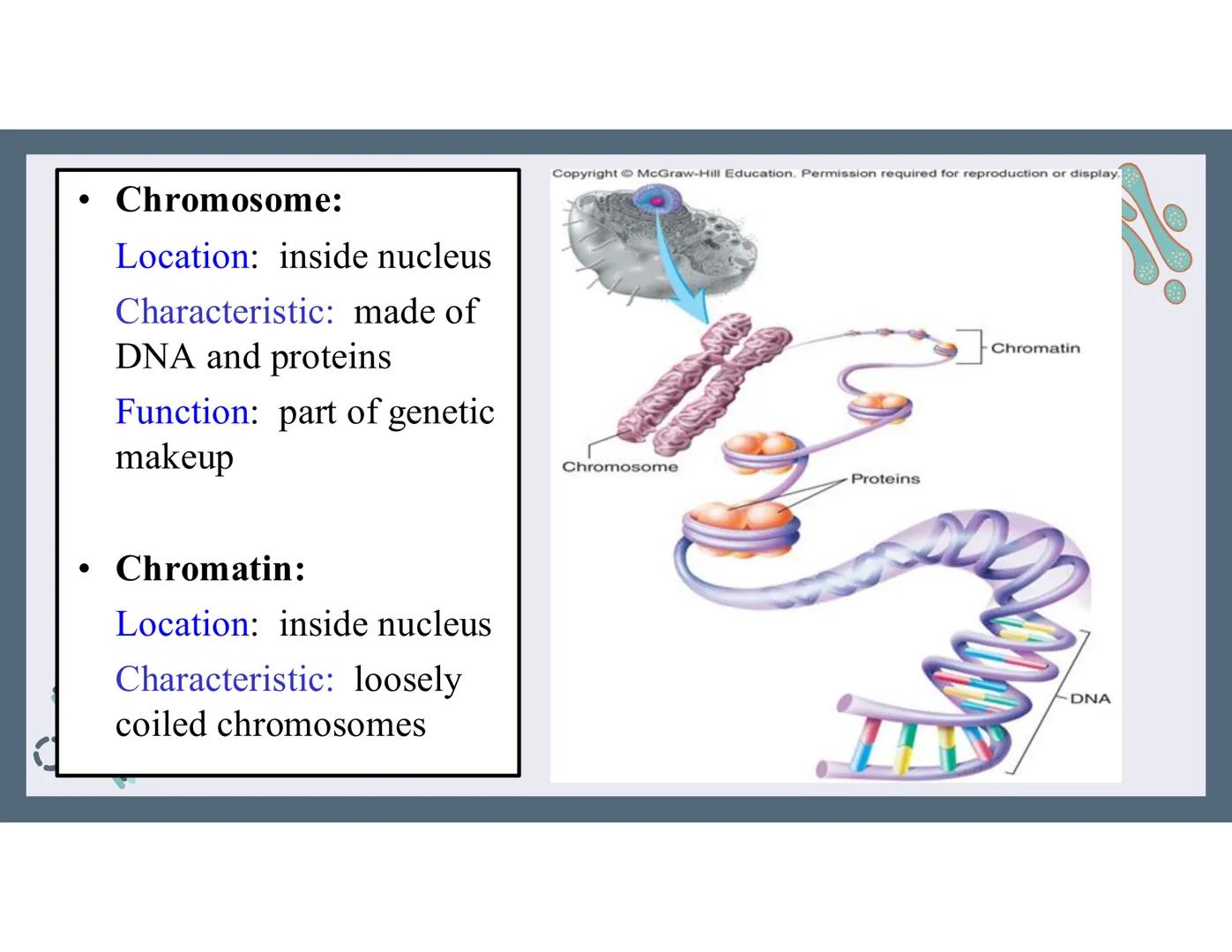
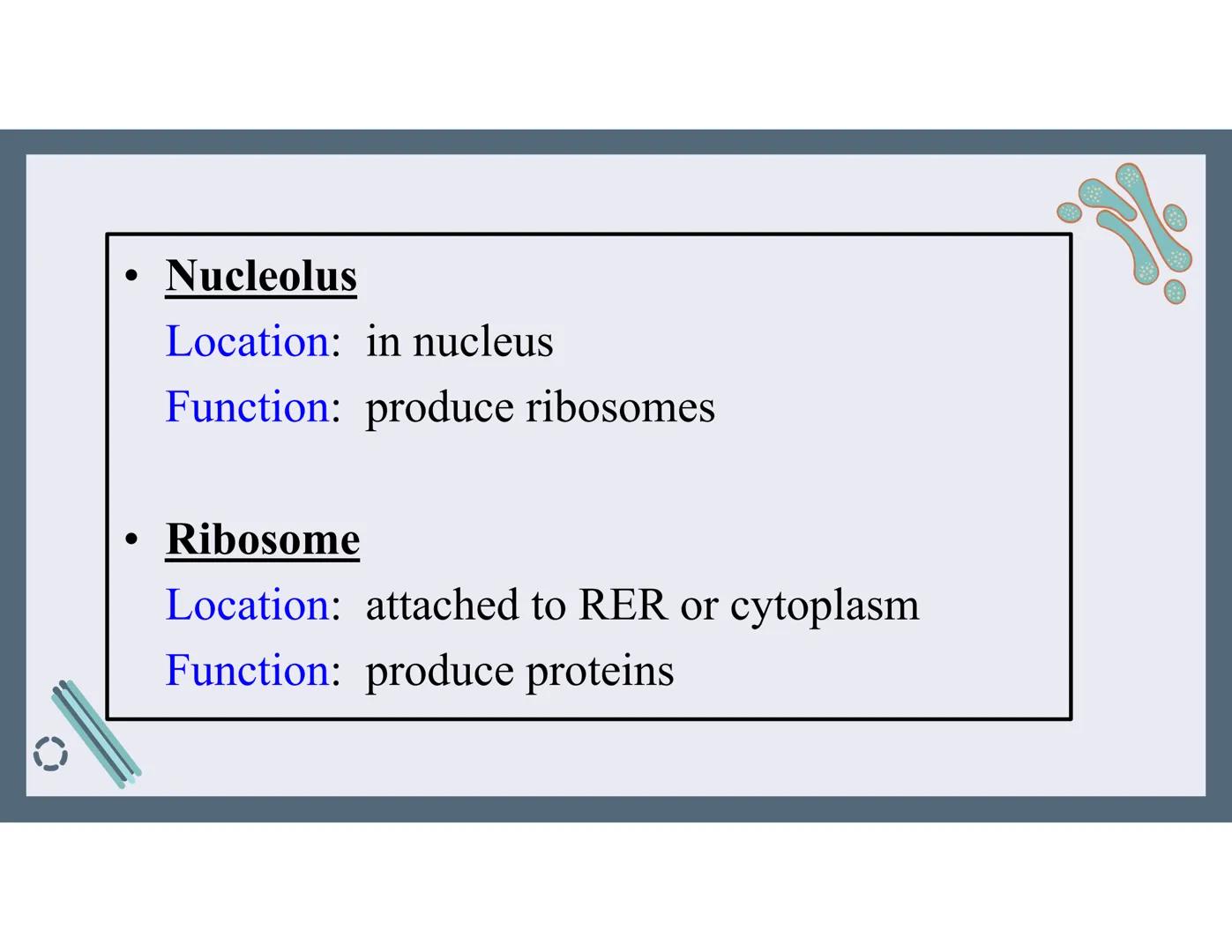
Inside the nucleus, chromosomes contain genetic material that determines how the cell functions. These are normally loosely coiled as chromatin except during cell division. The nucleolus is a dense region within the nucleus that produces ribosomes.
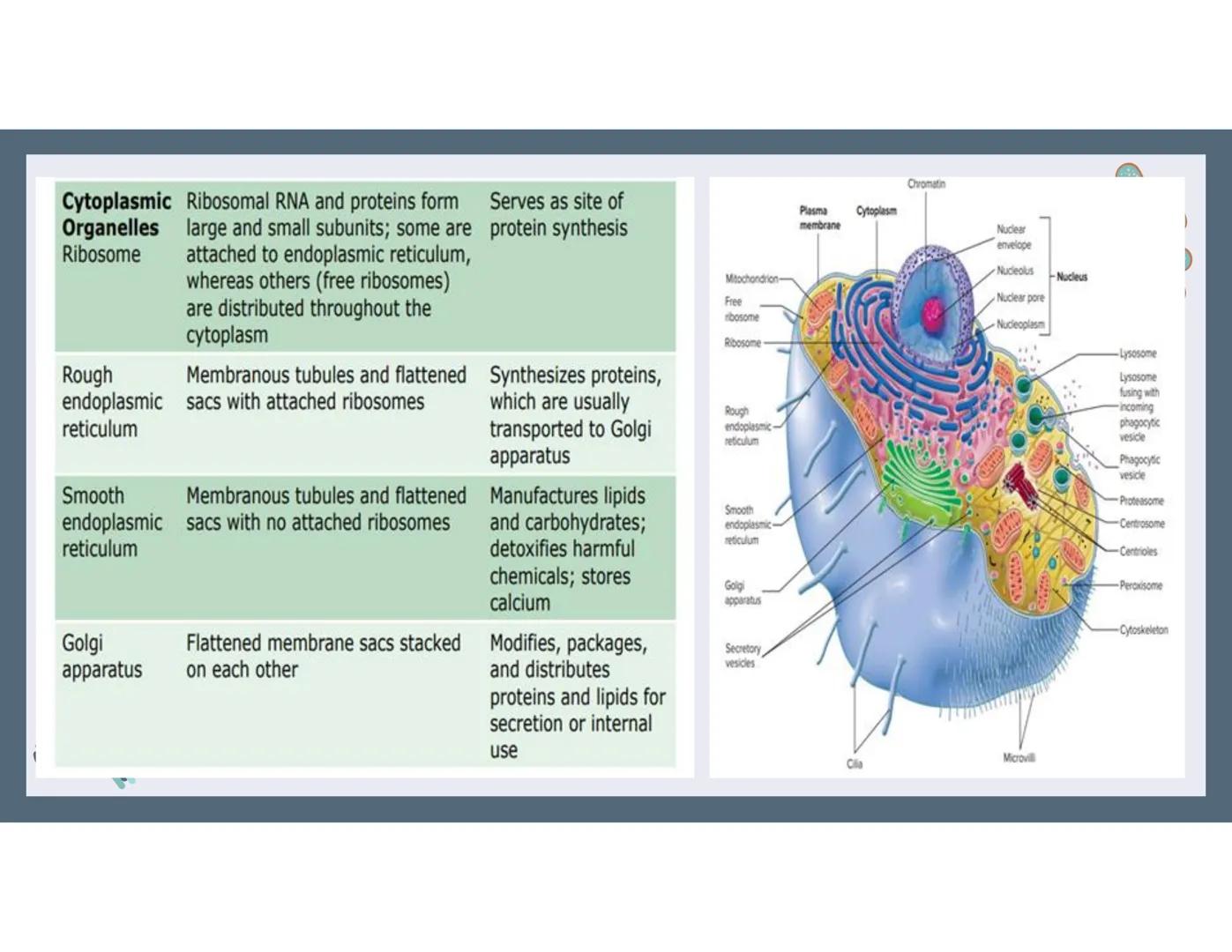
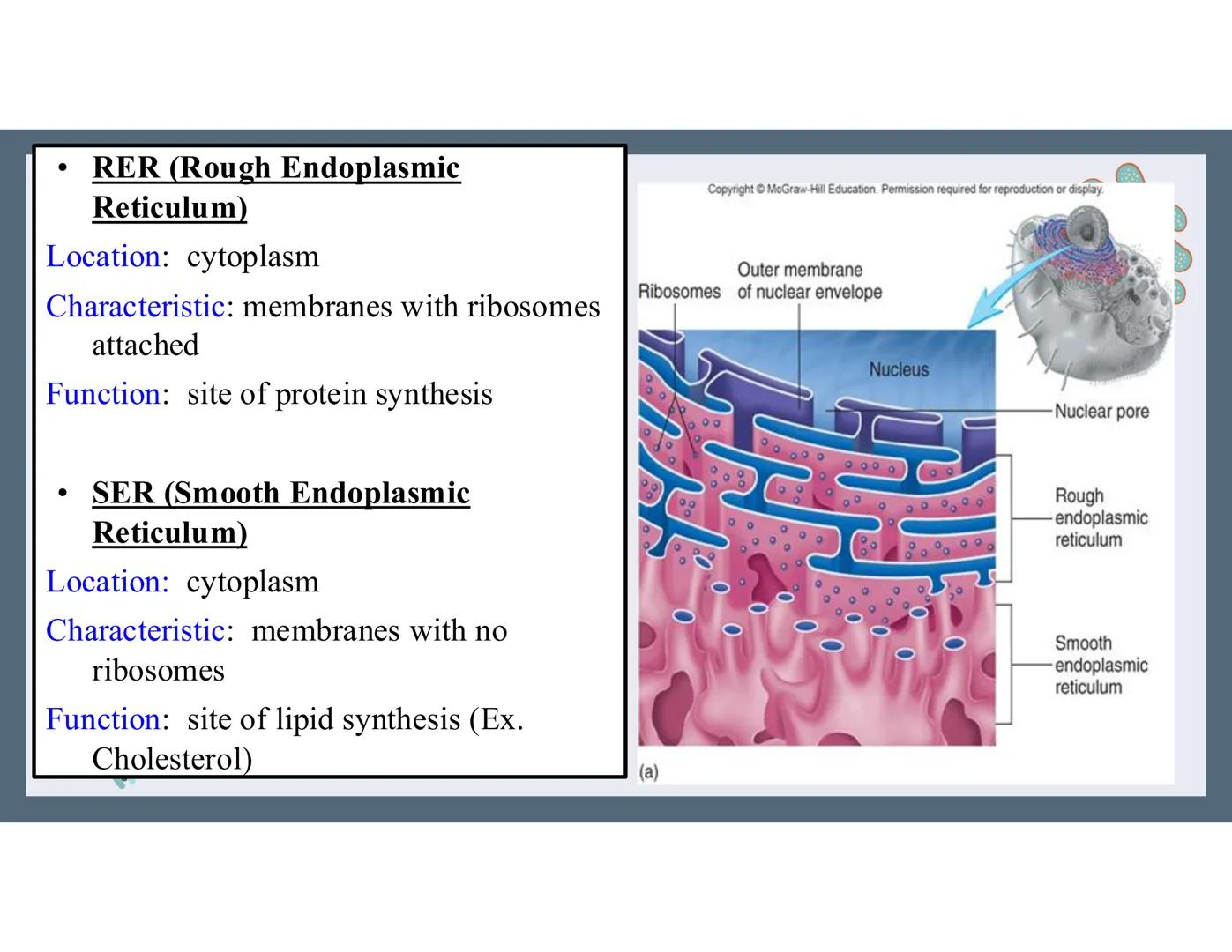
Ribosomes are protein factories that can be attached to the rough endoplasmic reticulum (RER) or float freely in the cytoplasm. The endoplasmic reticulum comes in two varieties—rough (with ribosomes) for protein synthesis and smooth (without ribosomes) for lipid production.
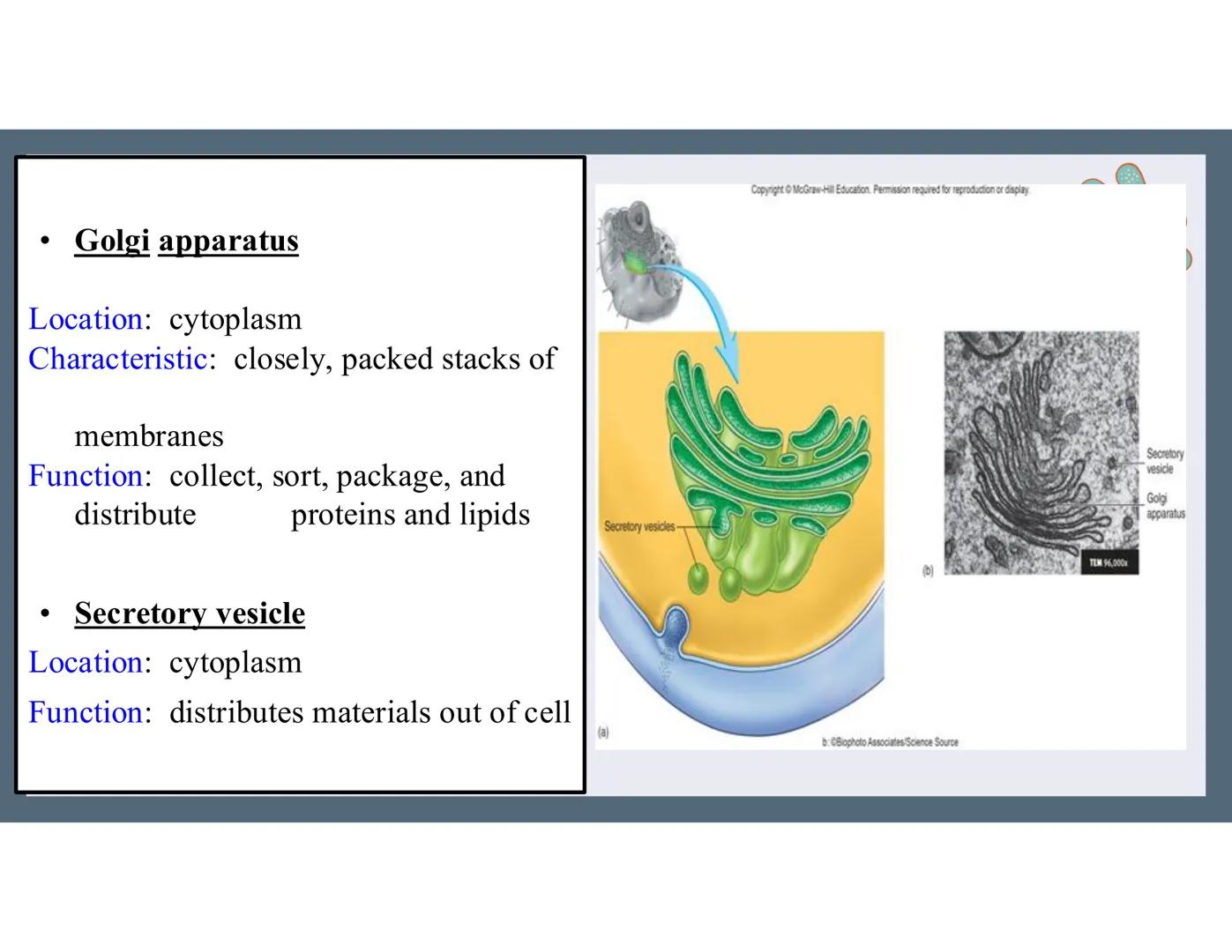
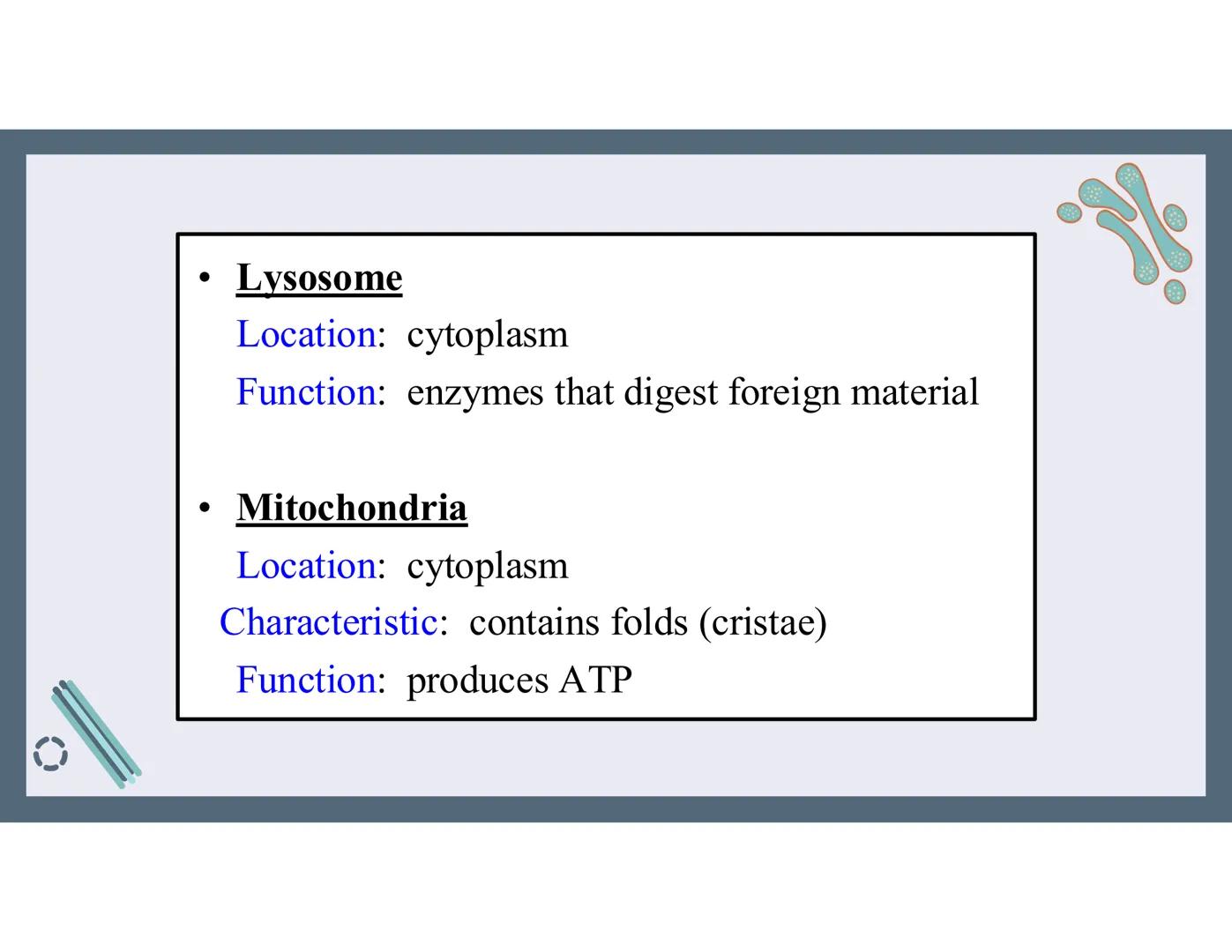
The Golgi apparatus processes, packages, and distributes proteins and lipids, while lysosomes contain digestive enzymes that break down waste materials and foreign substances.
Think about it: Just like a city needs a city hall, power plants, and waste management, cells need specialized organelles to function properly!
Ang aming AI Companion ay isang AI tool na nakatuon sa mga estudyante na nag-aalok ng higit pa sa mga sagot lang. Binuo mula sa milyong Knowunity resources, nagbibigay ito ng may-kaugnayang impormasyon, personalized na study plans, quizzes, at content direkta sa chat, na umaangkop sa iyong sariling learning journey.
Maaari mong i-download ang app mula sa Google Play Store at Apple App Store.
Tama 'yan! Mag-enjoy sa libreng access sa mga study content, makipag-connect sa kapwa mga estudyante, at kumuha ng instant na tulong – lahat nasa iyong daliri lang.
App Store
Google Play
Napakadaling gamitin at maganda ang disenyo ng app. Nahanap ko lahat ng hinahanap ko hanggang ngayon at natuto ako ng marami mula sa mga presentasyon! Tiyak na gagamitin ko ang app para sa isang takdang-aralin sa klase! At siyempre, nakakatulong din ito bilang inspirasyon.
Stefan S
gumagamit ng iOS
Sobrang ganda talaga ng app na ito. Maraming mga study notes at tulong [...]. Ang problemang subject ko ay Pranses, halimbawa, at ang app ay may maraming options para tumulong. Salamat sa app na ito, bumuti ang Pranses ko. Irerekumenda ko ito sa lahat.
Samantha Klich
Android user
Wow, talagang namangha ako. Sinubukan ko lang ang app dahil nakita ko itong ina-advertise nang maraming beses at sobrang nagulat ako. Ang app na ito ang TULONG na gusto mo para sa paaralan at higit sa lahat, nag-aalok ito ng maraming bagay, tulad ng workouts at fact sheets, na SOBRANG nakatulong sa akin.
Anna
iOS user
Pinakamagandang app sa mundo! walang masabi dahil sobrang ganda nito
Thomas R
iOS user
Napakaganda talaga. Nakakapag-review ako ng 10x mas mabuti, itong app ay mabilis na 10/10. Lubos kong inirerekomenda ito sa lahat. Pwede akong manood at maghanap ng notes. Pwede kong i-save ang mga ito sa subject folder. Pwede kong i-review anumang oras kapag bumalik ako. Kung hindi mo pa nasubukan ang app na ito, marami kang nawawala.
Basil
Android user
Ang app na ito ay nagpapalakas ng loob ko sa paghahanda sa exams, hindi lang dahil sa pagpapataas ng aking kumpiyansa sa sarili sa pamamagitan ng mga feature na nagpapahintulot sa iyo na makipag-connect sa iba at mabawasan ang pakiramdam na nag-iisa, kundi pati na rin sa paraan na nakatuon ang app sa pagpapagaan ng iyong pakiramdam. Madali itong i-navigate, masaya gamitin, at nakakatulong sa sinumang nahihirapan sa kahit anong paraan.
David K
iOS user
Sobrang galing ng app! Ilalagay ko lang ang paksa sa search bar at makakakuha na ako ng sagot kaagad. Hindi ko kailangang manood ng 10 YouTube videos para maintindihan ang isang bagay, kaya nakakatipid ako ng oras. Lubos na inirerekomenda!
Sudenaz Ocak
Android user
Sa paaralan, napakahina ko sa math pero salamat sa app, mas mahusay na ako ngayon. Lubos akong nagpapasalamat na ginawa niyo ang app na ito.
Greenlight Bonnie
Android user
napakareliable na app para tumulong at palawakin ang iyong mga ideya sa Math, English at iba pang mga related na paksa sa iyong mga gawain. gamitin mo ang app na ito kung nahihirapan ka sa mga area, susi ito para diyan. sana nag-review na ako dati. at libre rin ito kaya huwag mag-alala tungkol diyan.
Rohan U
Android user
Alam kong maraming apps gumagamit ng fake accounts para mapataas ang kanilang reviews pero ang app na ito ay deserve lahat ng papuri. Dati nakakakuha ako ng 4 sa aking English exams at ngayon nakakuha ako ng grade 7. Hindi ko pa alam ang app na ito tatlong araw bago ang exam at nakatulong ito ng SOBRA. Pakisuyong maniwala sa akin at gamitin ito dahil sigurado akong makikita mo rin ang mga pagbabago.
Xander S
iOS user
ANG MGA quiz AT flashcard SOBRANG HELPFUL AT I LOVE TALAGA SI Knowunity AI. PARANG CHATGPT LANG PERO MAS MATALINO!! NAKATULONG DIN SA MGA MASCARA PROBLEMS KO!! PATI NA RIN SA MGA TUNAY KONG subject! SYEMPRE 😍😁😲🤑💗✨🎀😮
Elisha
iOS user
Grabe talaga ang app na to. Sobrang nakakaboring sakin ang pagreview pero ginagawa ng app na to na sobrang dali mag-organize ng lahat at pwede mong tanungin ang libreng ai para subukin ang sarili mo kaya sobrang buti at madali mong ma-upload ang sarili mong mga bagay. highly recommend bilang isang taong nagte-take ng mocks ngayon
Paul T
iOS user
Napakadaling gamitin at maganda ang disenyo ng app. Nahanap ko lahat ng hinahanap ko hanggang ngayon at natuto ako ng marami mula sa mga presentasyon! Tiyak na gagamitin ko ang app para sa isang takdang-aralin sa klase! At siyempre, nakakatulong din ito bilang inspirasyon.
Stefan S
gumagamit ng iOS
Sobrang ganda talaga ng app na ito. Maraming mga study notes at tulong [...]. Ang problemang subject ko ay Pranses, halimbawa, at ang app ay may maraming options para tumulong. Salamat sa app na ito, bumuti ang Pranses ko. Irerekumenda ko ito sa lahat.
Samantha Klich
Android user
Wow, talagang namangha ako. Sinubukan ko lang ang app dahil nakita ko itong ina-advertise nang maraming beses at sobrang nagulat ako. Ang app na ito ang TULONG na gusto mo para sa paaralan at higit sa lahat, nag-aalok ito ng maraming bagay, tulad ng workouts at fact sheets, na SOBRANG nakatulong sa akin.
Anna
iOS user
Pinakamagandang app sa mundo! walang masabi dahil sobrang ganda nito
Thomas R
iOS user
Napakaganda talaga. Nakakapag-review ako ng 10x mas mabuti, itong app ay mabilis na 10/10. Lubos kong inirerekomenda ito sa lahat. Pwede akong manood at maghanap ng notes. Pwede kong i-save ang mga ito sa subject folder. Pwede kong i-review anumang oras kapag bumalik ako. Kung hindi mo pa nasubukan ang app na ito, marami kang nawawala.
Basil
Android user
Ang app na ito ay nagpapalakas ng loob ko sa paghahanda sa exams, hindi lang dahil sa pagpapataas ng aking kumpiyansa sa sarili sa pamamagitan ng mga feature na nagpapahintulot sa iyo na makipag-connect sa iba at mabawasan ang pakiramdam na nag-iisa, kundi pati na rin sa paraan na nakatuon ang app sa pagpapagaan ng iyong pakiramdam. Madali itong i-navigate, masaya gamitin, at nakakatulong sa sinumang nahihirapan sa kahit anong paraan.
David K
iOS user
Sobrang galing ng app! Ilalagay ko lang ang paksa sa search bar at makakakuha na ako ng sagot kaagad. Hindi ko kailangang manood ng 10 YouTube videos para maintindihan ang isang bagay, kaya nakakatipid ako ng oras. Lubos na inirerekomenda!
Sudenaz Ocak
Android user
Sa paaralan, napakahina ko sa math pero salamat sa app, mas mahusay na ako ngayon. Lubos akong nagpapasalamat na ginawa niyo ang app na ito.
Greenlight Bonnie
Android user
napakareliable na app para tumulong at palawakin ang iyong mga ideya sa Math, English at iba pang mga related na paksa sa iyong mga gawain. gamitin mo ang app na ito kung nahihirapan ka sa mga area, susi ito para diyan. sana nag-review na ako dati. at libre rin ito kaya huwag mag-alala tungkol diyan.
Rohan U
Android user
Alam kong maraming apps gumagamit ng fake accounts para mapataas ang kanilang reviews pero ang app na ito ay deserve lahat ng papuri. Dati nakakakuha ako ng 4 sa aking English exams at ngayon nakakuha ako ng grade 7. Hindi ko pa alam ang app na ito tatlong araw bago ang exam at nakatulong ito ng SOBRA. Pakisuyong maniwala sa akin at gamitin ito dahil sigurado akong makikita mo rin ang mga pagbabago.
Xander S
iOS user
ANG MGA quiz AT flashcard SOBRANG HELPFUL AT I LOVE TALAGA SI Knowunity AI. PARANG CHATGPT LANG PERO MAS MATALINO!! NAKATULONG DIN SA MGA MASCARA PROBLEMS KO!! PATI NA RIN SA MGA TUNAY KONG subject! SYEMPRE 😍😁😲🤑💗✨🎀😮
Elisha
iOS user
Grabe talaga ang app na to. Sobrang nakakaboring sakin ang pagreview pero ginagawa ng app na to na sobrang dali mag-organize ng lahat at pwede mong tanungin ang libreng ai para subukin ang sarili mo kaya sobrang buti at madali mong ma-upload ang sarili mong mga bagay. highly recommend bilang isang taong nagte-take ng mocks ngayon
Paul T
iOS user
Faith H
@faithh_o5dzt
Cells are the building blocks of life, serving as the fundamental units of all living organisms. Each cell contains specialized structures that perform vital functions necessary for survival. Understanding how cells work is essential for grasping how our bodies function... Ipakita pa
Access sa lahat ng dokumento
Pagbutihin ang iyong mga grado
Sumali sa milyong mga estudyante
Cells are the basic units of all living things, working together to keep organisms alive. These microscopic structures have distinct parts that perform specialized functions.
The plasma membrane (cell membrane) forms the outer boundary of the cell, controlling what enters and exits. This selective barrier is how cells interact with their environment.
Inside the cell, the centrally located nucleus directs all cell activities, essentially serving as the control center. Between the nucleus and membrane lies the cytoplasm, where most cellular activities take place. Within the cytoplasm are organelles, specialized structures that perform specific functions.
Did you know? Your body contains trillions of cells, and almost every one contains the complete set of instructions needed to make you who you are!
Access sa lahat ng dokumento
Pagbutihin ang iyong mga grado
Sumali sa milyong mga estudyante
When you look at a cell under a microscope, you'll see an intricate world of specialized components. Each part has a specific job that keeps the cell functioning properly.
The plasma membrane creates a boundary between the cell's interior and the outside world. The nucleus, typically found near the center, houses your DNA and directs cellular activities. The cytoplasm fills the space between these structures and contains various organelles.
Key organelles include mitochondria (the cell's power plants), ribosomes (protein factories), and the endoplasmic reticulum (processing center for proteins and lipids). The Golgi apparatus packages and distributes materials, while lysosomes contain digestive enzymes.
Cell structures work together to perform four characteristic functions: metabolism and energy use, synthesis of molecules, communication, and reproduction/inheritance.
Remember: Think of the cell as a tiny city with different "buildings" (organelles) that each serve a unique purpose!
Access sa lahat ng dokumento
Pagbutihin ang iyong mga grado
Sumali sa milyong mga estudyante
The plasma membrane is more than just a simple barrier—it's a sophisticated structure with critical functions. As the outermost component of a cell, it separates the intracellular environment from the extracellular one.
This dynamic boundary performs several key functions: it encloses and supports cell contents, attaches cells to their environment or to other cells, facilitates cell recognition and communication, and regulates what moves into and out of the cell.
The outer surface of the plasma membrane features a glycocalyx—a collection of glycolipids, glycoproteins, and carbohydrates that helps cells recognize each other and provides protection.
Quick tip: When studying the plasma membrane, visualize it as a security checkpoint that carefully controls what enters and leaves the cell while also allowing for communication with the outside world.
Access sa lahat ng dokumento
Pagbutihin ang iyong mga grado
Sumali sa milyong mga estudyante
The plasma membrane has a remarkable structure built primarily from two types of lipids: phospholipids and cholesterol. These components create a flexible yet stable barrier.
Phospholipids form a bilayer that makes up the membrane's foundation. Each phospholipid molecule has a hydrophilic head and a hydrophobic tail. The heads face outward toward watery environments both inside and outside the cell, while the tails face inward toward each other.
Cholesterol molecules are interspersed among the phospholipids, helping to maintain the membrane's fluidity. This arrangement creates a structure that's solid enough to provide protection but fluid enough to allow necessary movement.
Fascinating fact: If you could stretch out all the cell membranes in your body, they would cover approximately 1.6 acres (about the size of a football field)!
Access sa lahat ng dokumento
Pagbutihin ang iyong mga grado
Sumali sa milyong mga estudyante
Proteins embedded in the plasma membrane perform vital functions that lipids alone cannot. These proteins come in two main types based on their position in the membrane.
Integral membrane proteins penetrate deeply into the lipid bilayer, often extending completely from one side to the other. These proteins create channels for substances to pass through or serve as receptors that receive signals from outside the cell.
Peripheral membrane proteins attach to either the inner or outer surface of the lipid bilayer rather than spanning it. They often function in cell signaling or structural support.
Together with membrane lipids, these proteins give the membrane its selective permeability—allowing only certain substances to enter or exit the cell.
Remember: Membrane proteins work like specialized doorways and communication devices that determine what enters the cell and how it responds to signals from its environment.
Access sa lahat ng dokumento
Pagbutihin ang iyong mga grado
Sumali sa milyong mga estudyante
Cells constantly exchange materials with their environment, but how do substances cross the selectively permeable plasma membrane? Some methods require no energy from the cell.
Diffusion is the movement of molecules from an area of higher concentration to lower concentration. Lipid-soluble molecules like oxygen and carbon dioxide can diffuse directly through the membrane. Non-lipid-soluble molecules need help from transport proteins.
Osmosis is simply water diffusion across a membrane. Water moves from areas of lower solute concentration (more water) to areas of higher solute concentration (less water). This movement creates three possible conditions for cells:
Think about it: Red blood cells in the wrong solution can either burst or shrink—that's why medical IVs must contain carefully balanced salt solutions!
Access sa lahat ng dokumento
Pagbutihin ang iyong mga grado
Sumali sa milyong mga estudyante
Facilitated diffusion uses carrier proteins to move substances across the membrane without using energy. These proteins show three important characteristics:
When cells need to move substances against their concentration gradients, they use active transport processes that require energy (ATP). The sodium-potassium pump is a classic example—it moves sodium ions out of the cell and potassium ions in, maintaining crucial concentration gradients.
Secondary active transport cleverly uses ion concentration gradients created by primary active transport to power the movement of other substances. For example, glucose can enter cells by "hitching a ride" with sodium ions moving down their concentration gradient.
Pro tip: Think of passive transport as going downhill (no energy needed) and active transport as going uphill (energy required)!
Access sa lahat ng dokumento
Pagbutihin ang iyong mga grado
Sumali sa milyong mga estudyante
Sometimes cells need to move larger materials or bulk quantities across the membrane. For these situations, they use vesicles—small membrane-enclosed compartments.
Endocytosis brings materials into the cell by forming vesicles from the plasma membrane. This happens in different ways:
Exocytosis does the opposite—it releases materials from the cell. Secretory vesicles inside the cell fuse with the plasma membrane, releasing their contents outside. This process expels waste products and secretes important molecules like hormones and digestive enzymes.
Did you know? Your immune cells use phagocytosis to "eat" harmful bacteria and protect you from infection!
Access sa lahat ng dokumento
Pagbutihin ang iyong mga grado
Sumali sa milyong mga estudyante
The cytoplasm is much more than just cell filling—it's a complex, jelly-like substance that gives cells shape and holds organelles in place. Approximately half is fluid (cytosol) and half is organelles.
The cytoskeleton provides structural support, similar to how your skeleton supports your body. This internal framework consists of three main protein structures:
The cytoskeleton not only maintains cell shape but also assists in organelle positioning and cellular movement. It creates "highways" for transporting materials throughout the cell.
Remember: The cytoskeleton is constantly being built and broken down, making it a dynamic structure that adapts to the cell's changing needs!
Access sa lahat ng dokumento
Pagbutihin ang iyong mga grado
Sumali sa milyong mga estudyante
The nucleus is the cell's command center, housing DNA and controlling all cellular activities. It's surrounded by a nuclear envelope with nuclear pores that regulate what enters and exits.
Inside the nucleus, chromosomes contain genetic material that determines how the cell functions. These are normally loosely coiled as chromatin except during cell division. The nucleolus is a dense region within the nucleus that produces ribosomes.
Ribosomes are protein factories that can be attached to the rough endoplasmic reticulum (RER) or float freely in the cytoplasm. The endoplasmic reticulum comes in two varieties—rough (with ribosomes) for protein synthesis and smooth (without ribosomes) for lipid production.
The Golgi apparatus processes, packages, and distributes proteins and lipids, while lysosomes contain digestive enzymes that break down waste materials and foreign substances.
Think about it: Just like a city needs a city hall, power plants, and waste management, cells need specialized organelles to function properly!
Access sa lahat ng dokumento
Pagbutihin ang iyong mga grado
Sumali sa milyong mga estudyante
Access sa lahat ng dokumento
Pagbutihin ang iyong mga grado
Sumali sa milyong mga estudyante
Access sa lahat ng dokumento
Pagbutihin ang iyong mga grado
Sumali sa milyong mga estudyante
Access sa lahat ng dokumento
Pagbutihin ang iyong mga grado
Sumali sa milyong mga estudyante
Access sa lahat ng dokumento
Pagbutihin ang iyong mga grado
Sumali sa milyong mga estudyante
Access sa lahat ng dokumento
Pagbutihin ang iyong mga grado
Sumali sa milyong mga estudyante
Access sa lahat ng dokumento
Pagbutihin ang iyong mga grado
Sumali sa milyong mga estudyante
Access sa lahat ng dokumento
Pagbutihin ang iyong mga grado
Sumali sa milyong mga estudyante
Access sa lahat ng dokumento
Pagbutihin ang iyong mga grado
Sumali sa milyong mga estudyante
Access sa lahat ng dokumento
Pagbutihin ang iyong mga grado
Sumali sa milyong mga estudyante
Access sa lahat ng dokumento
Pagbutihin ang iyong mga grado
Sumali sa milyong mga estudyante
Access sa lahat ng dokumento
Pagbutihin ang iyong mga grado
Sumali sa milyong mga estudyante
Access sa lahat ng dokumento
Pagbutihin ang iyong mga grado
Sumali sa milyong mga estudyante
Access sa lahat ng dokumento
Pagbutihin ang iyong mga grado
Sumali sa milyong mga estudyante
Access sa lahat ng dokumento
Pagbutihin ang iyong mga grado
Sumali sa milyong mga estudyante
Access sa lahat ng dokumento
Pagbutihin ang iyong mga grado
Sumali sa milyong mga estudyante
Access sa lahat ng dokumento
Pagbutihin ang iyong mga grado
Sumali sa milyong mga estudyante
Access sa lahat ng dokumento
Pagbutihin ang iyong mga grado
Sumali sa milyong mga estudyante
Access sa lahat ng dokumento
Pagbutihin ang iyong mga grado
Sumali sa milyong mga estudyante
Access sa lahat ng dokumento
Pagbutihin ang iyong mga grado
Sumali sa milyong mga estudyante
Access sa lahat ng dokumento
Pagbutihin ang iyong mga grado
Sumali sa milyong mga estudyante
Access sa lahat ng dokumento
Pagbutihin ang iyong mga grado
Sumali sa milyong mga estudyante
Access sa lahat ng dokumento
Pagbutihin ang iyong mga grado
Sumali sa milyong mga estudyante
Access sa lahat ng dokumento
Pagbutihin ang iyong mga grado
Sumali sa milyong mga estudyante
Access sa lahat ng dokumento
Pagbutihin ang iyong mga grado
Sumali sa milyong mga estudyante
Access sa lahat ng dokumento
Pagbutihin ang iyong mga grado
Sumali sa milyong mga estudyante
Access sa lahat ng dokumento
Pagbutihin ang iyong mga grado
Sumali sa milyong mga estudyante
Access sa lahat ng dokumento
Pagbutihin ang iyong mga grado
Sumali sa milyong mga estudyante
Access sa lahat ng dokumento
Pagbutihin ang iyong mga grado
Sumali sa milyong mga estudyante
Access sa lahat ng dokumento
Pagbutihin ang iyong mga grado
Sumali sa milyong mga estudyante
Access sa lahat ng dokumento
Pagbutihin ang iyong mga grado
Sumali sa milyong mga estudyante
Access sa lahat ng dokumento
Pagbutihin ang iyong mga grado
Sumali sa milyong mga estudyante
Access sa lahat ng dokumento
Pagbutihin ang iyong mga grado
Sumali sa milyong mga estudyante
Access sa lahat ng dokumento
Pagbutihin ang iyong mga grado
Sumali sa milyong mga estudyante
Access sa lahat ng dokumento
Pagbutihin ang iyong mga grado
Sumali sa milyong mga estudyante
Access sa lahat ng dokumento
Pagbutihin ang iyong mga grado
Sumali sa milyong mga estudyante
Access sa lahat ng dokumento
Pagbutihin ang iyong mga grado
Sumali sa milyong mga estudyante
Access sa lahat ng dokumento
Pagbutihin ang iyong mga grado
Sumali sa milyong mga estudyante
Access sa lahat ng dokumento
Pagbutihin ang iyong mga grado
Sumali sa milyong mga estudyante
Access sa lahat ng dokumento
Pagbutihin ang iyong mga grado
Sumali sa milyong mga estudyante
Access sa lahat ng dokumento
Pagbutihin ang iyong mga grado
Sumali sa milyong mga estudyante
Access sa lahat ng dokumento
Pagbutihin ang iyong mga grado
Sumali sa milyong mga estudyante
Access sa lahat ng dokumento
Pagbutihin ang iyong mga grado
Sumali sa milyong mga estudyante
Access sa lahat ng dokumento
Pagbutihin ang iyong mga grado
Sumali sa milyong mga estudyante
Access sa lahat ng dokumento
Pagbutihin ang iyong mga grado
Sumali sa milyong mga estudyante
Access sa lahat ng dokumento
Pagbutihin ang iyong mga grado
Sumali sa milyong mga estudyante
Access sa lahat ng dokumento
Pagbutihin ang iyong mga grado
Sumali sa milyong mga estudyante
Access sa lahat ng dokumento
Pagbutihin ang iyong mga grado
Sumali sa milyong mga estudyante
Access sa lahat ng dokumento
Pagbutihin ang iyong mga grado
Sumali sa milyong mga estudyante
Access sa lahat ng dokumento
Pagbutihin ang iyong mga grado
Sumali sa milyong mga estudyante
Access sa lahat ng dokumento
Pagbutihin ang iyong mga grado
Sumali sa milyong mga estudyante
Access sa lahat ng dokumento
Pagbutihin ang iyong mga grado
Sumali sa milyong mga estudyante
Access sa lahat ng dokumento
Pagbutihin ang iyong mga grado
Sumali sa milyong mga estudyante
Access sa lahat ng dokumento
Pagbutihin ang iyong mga grado
Sumali sa milyong mga estudyante
Access sa lahat ng dokumento
Pagbutihin ang iyong mga grado
Sumali sa milyong mga estudyante
Access sa lahat ng dokumento
Pagbutihin ang iyong mga grado
Sumali sa milyong mga estudyante
Access sa lahat ng dokumento
Pagbutihin ang iyong mga grado
Sumali sa milyong mga estudyante
Access sa lahat ng dokumento
Pagbutihin ang iyong mga grado
Sumali sa milyong mga estudyante
Ang aming AI Companion ay isang AI tool na nakatuon sa mga estudyante na nag-aalok ng higit pa sa mga sagot lang. Binuo mula sa milyong Knowunity resources, nagbibigay ito ng may-kaugnayang impormasyon, personalized na study plans, quizzes, at content direkta sa chat, na umaangkop sa iyong sariling learning journey.
Maaari mong i-download ang app mula sa Google Play Store at Apple App Store.
Tama 'yan! Mag-enjoy sa libreng access sa mga study content, makipag-connect sa kapwa mga estudyante, at kumuha ng instant na tulong – lahat nasa iyong daliri lang.
2
Smart Tools NEW
I-transform ang note na ito sa: ✓ 50+ Practice Questions ✓ Interactive Flashcards ✓ Full Mock Exam ✓ Essay Outlines
App Store
Google Play
Napakadaling gamitin at maganda ang disenyo ng app. Nahanap ko lahat ng hinahanap ko hanggang ngayon at natuto ako ng marami mula sa mga presentasyon! Tiyak na gagamitin ko ang app para sa isang takdang-aralin sa klase! At siyempre, nakakatulong din ito bilang inspirasyon.
Stefan S
gumagamit ng iOS
Sobrang ganda talaga ng app na ito. Maraming mga study notes at tulong [...]. Ang problemang subject ko ay Pranses, halimbawa, at ang app ay may maraming options para tumulong. Salamat sa app na ito, bumuti ang Pranses ko. Irerekumenda ko ito sa lahat.
Samantha Klich
Android user
Wow, talagang namangha ako. Sinubukan ko lang ang app dahil nakita ko itong ina-advertise nang maraming beses at sobrang nagulat ako. Ang app na ito ang TULONG na gusto mo para sa paaralan at higit sa lahat, nag-aalok ito ng maraming bagay, tulad ng workouts at fact sheets, na SOBRANG nakatulong sa akin.
Anna
iOS user
Pinakamagandang app sa mundo! walang masabi dahil sobrang ganda nito
Thomas R
iOS user
Napakaganda talaga. Nakakapag-review ako ng 10x mas mabuti, itong app ay mabilis na 10/10. Lubos kong inirerekomenda ito sa lahat. Pwede akong manood at maghanap ng notes. Pwede kong i-save ang mga ito sa subject folder. Pwede kong i-review anumang oras kapag bumalik ako. Kung hindi mo pa nasubukan ang app na ito, marami kang nawawala.
Basil
Android user
Ang app na ito ay nagpapalakas ng loob ko sa paghahanda sa exams, hindi lang dahil sa pagpapataas ng aking kumpiyansa sa sarili sa pamamagitan ng mga feature na nagpapahintulot sa iyo na makipag-connect sa iba at mabawasan ang pakiramdam na nag-iisa, kundi pati na rin sa paraan na nakatuon ang app sa pagpapagaan ng iyong pakiramdam. Madali itong i-navigate, masaya gamitin, at nakakatulong sa sinumang nahihirapan sa kahit anong paraan.
David K
iOS user
Sobrang galing ng app! Ilalagay ko lang ang paksa sa search bar at makakakuha na ako ng sagot kaagad. Hindi ko kailangang manood ng 10 YouTube videos para maintindihan ang isang bagay, kaya nakakatipid ako ng oras. Lubos na inirerekomenda!
Sudenaz Ocak
Android user
Sa paaralan, napakahina ko sa math pero salamat sa app, mas mahusay na ako ngayon. Lubos akong nagpapasalamat na ginawa niyo ang app na ito.
Greenlight Bonnie
Android user
napakareliable na app para tumulong at palawakin ang iyong mga ideya sa Math, English at iba pang mga related na paksa sa iyong mga gawain. gamitin mo ang app na ito kung nahihirapan ka sa mga area, susi ito para diyan. sana nag-review na ako dati. at libre rin ito kaya huwag mag-alala tungkol diyan.
Rohan U
Android user
Alam kong maraming apps gumagamit ng fake accounts para mapataas ang kanilang reviews pero ang app na ito ay deserve lahat ng papuri. Dati nakakakuha ako ng 4 sa aking English exams at ngayon nakakuha ako ng grade 7. Hindi ko pa alam ang app na ito tatlong araw bago ang exam at nakatulong ito ng SOBRA. Pakisuyong maniwala sa akin at gamitin ito dahil sigurado akong makikita mo rin ang mga pagbabago.
Xander S
iOS user
ANG MGA quiz AT flashcard SOBRANG HELPFUL AT I LOVE TALAGA SI Knowunity AI. PARANG CHATGPT LANG PERO MAS MATALINO!! NAKATULONG DIN SA MGA MASCARA PROBLEMS KO!! PATI NA RIN SA MGA TUNAY KONG subject! SYEMPRE 😍😁😲🤑💗✨🎀😮
Elisha
iOS user
Grabe talaga ang app na to. Sobrang nakakaboring sakin ang pagreview pero ginagawa ng app na to na sobrang dali mag-organize ng lahat at pwede mong tanungin ang libreng ai para subukin ang sarili mo kaya sobrang buti at madali mong ma-upload ang sarili mong mga bagay. highly recommend bilang isang taong nagte-take ng mocks ngayon
Paul T
iOS user
Napakadaling gamitin at maganda ang disenyo ng app. Nahanap ko lahat ng hinahanap ko hanggang ngayon at natuto ako ng marami mula sa mga presentasyon! Tiyak na gagamitin ko ang app para sa isang takdang-aralin sa klase! At siyempre, nakakatulong din ito bilang inspirasyon.
Stefan S
gumagamit ng iOS
Sobrang ganda talaga ng app na ito. Maraming mga study notes at tulong [...]. Ang problemang subject ko ay Pranses, halimbawa, at ang app ay may maraming options para tumulong. Salamat sa app na ito, bumuti ang Pranses ko. Irerekumenda ko ito sa lahat.
Samantha Klich
Android user
Wow, talagang namangha ako. Sinubukan ko lang ang app dahil nakita ko itong ina-advertise nang maraming beses at sobrang nagulat ako. Ang app na ito ang TULONG na gusto mo para sa paaralan at higit sa lahat, nag-aalok ito ng maraming bagay, tulad ng workouts at fact sheets, na SOBRANG nakatulong sa akin.
Anna
iOS user
Pinakamagandang app sa mundo! walang masabi dahil sobrang ganda nito
Thomas R
iOS user
Napakaganda talaga. Nakakapag-review ako ng 10x mas mabuti, itong app ay mabilis na 10/10. Lubos kong inirerekomenda ito sa lahat. Pwede akong manood at maghanap ng notes. Pwede kong i-save ang mga ito sa subject folder. Pwede kong i-review anumang oras kapag bumalik ako. Kung hindi mo pa nasubukan ang app na ito, marami kang nawawala.
Basil
Android user
Ang app na ito ay nagpapalakas ng loob ko sa paghahanda sa exams, hindi lang dahil sa pagpapataas ng aking kumpiyansa sa sarili sa pamamagitan ng mga feature na nagpapahintulot sa iyo na makipag-connect sa iba at mabawasan ang pakiramdam na nag-iisa, kundi pati na rin sa paraan na nakatuon ang app sa pagpapagaan ng iyong pakiramdam. Madali itong i-navigate, masaya gamitin, at nakakatulong sa sinumang nahihirapan sa kahit anong paraan.
David K
iOS user
Sobrang galing ng app! Ilalagay ko lang ang paksa sa search bar at makakakuha na ako ng sagot kaagad. Hindi ko kailangang manood ng 10 YouTube videos para maintindihan ang isang bagay, kaya nakakatipid ako ng oras. Lubos na inirerekomenda!
Sudenaz Ocak
Android user
Sa paaralan, napakahina ko sa math pero salamat sa app, mas mahusay na ako ngayon. Lubos akong nagpapasalamat na ginawa niyo ang app na ito.
Greenlight Bonnie
Android user
napakareliable na app para tumulong at palawakin ang iyong mga ideya sa Math, English at iba pang mga related na paksa sa iyong mga gawain. gamitin mo ang app na ito kung nahihirapan ka sa mga area, susi ito para diyan. sana nag-review na ako dati. at libre rin ito kaya huwag mag-alala tungkol diyan.
Rohan U
Android user
Alam kong maraming apps gumagamit ng fake accounts para mapataas ang kanilang reviews pero ang app na ito ay deserve lahat ng papuri. Dati nakakakuha ako ng 4 sa aking English exams at ngayon nakakuha ako ng grade 7. Hindi ko pa alam ang app na ito tatlong araw bago ang exam at nakatulong ito ng SOBRA. Pakisuyong maniwala sa akin at gamitin ito dahil sigurado akong makikita mo rin ang mga pagbabago.
Xander S
iOS user
ANG MGA quiz AT flashcard SOBRANG HELPFUL AT I LOVE TALAGA SI Knowunity AI. PARANG CHATGPT LANG PERO MAS MATALINO!! NAKATULONG DIN SA MGA MASCARA PROBLEMS KO!! PATI NA RIN SA MGA TUNAY KONG subject! SYEMPRE 😍😁😲🤑💗✨🎀😮
Elisha
iOS user
Grabe talaga ang app na to. Sobrang nakakaboring sakin ang pagreview pero ginagawa ng app na to na sobrang dali mag-organize ng lahat at pwede mong tanungin ang libreng ai para subukin ang sarili mo kaya sobrang buti at madali mong ma-upload ang sarili mong mga bagay. highly recommend bilang isang taong nagte-take ng mocks ngayon
Paul T
iOS user