Understanding Minerals
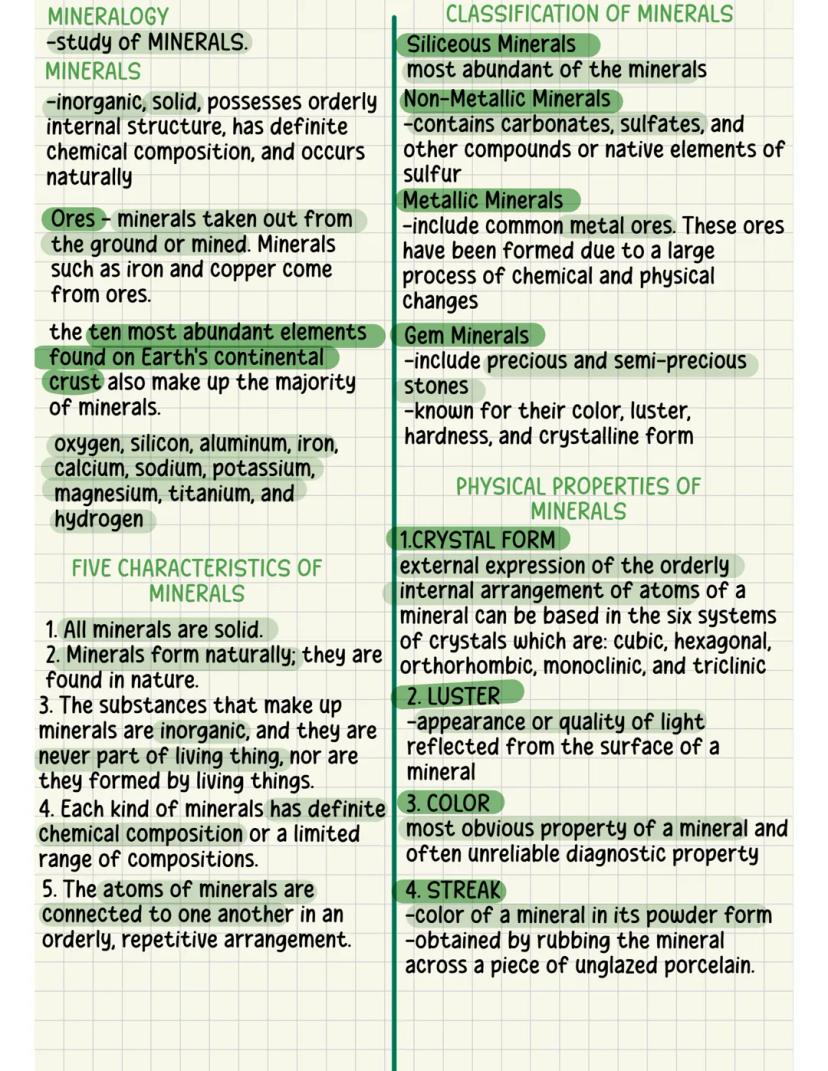
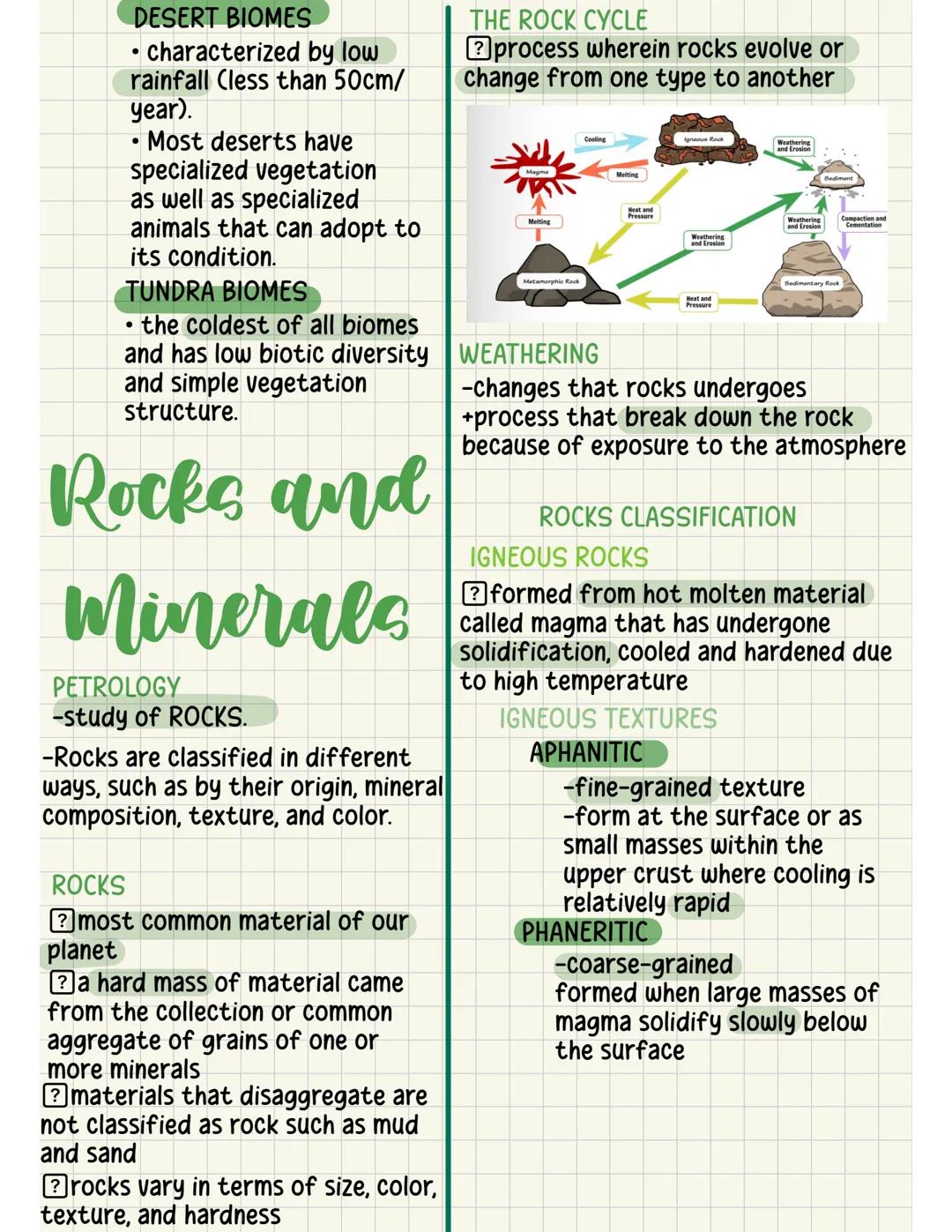
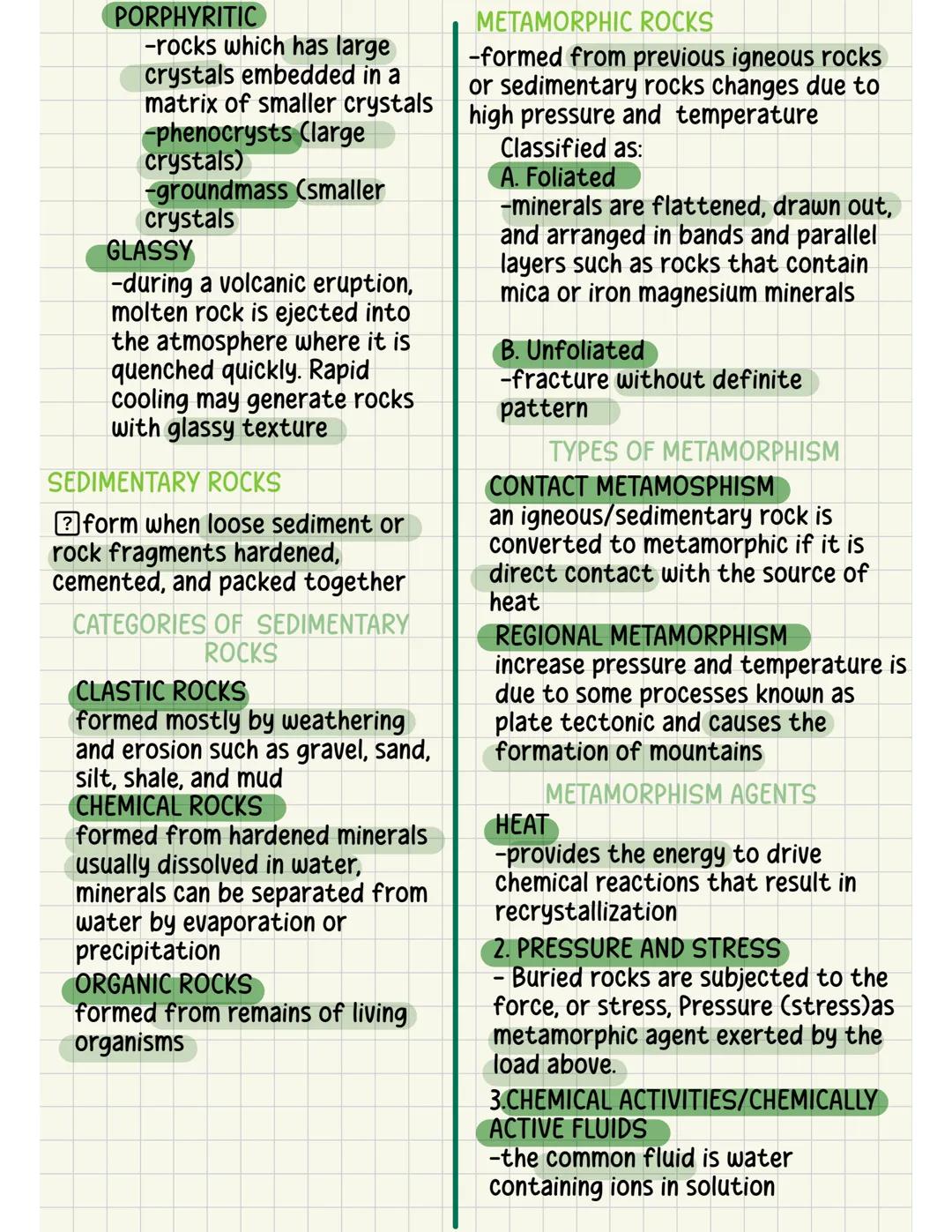
Mineralogy studies minerals - the building blocks of rocks. Minerals must meet five strict criteria: they're solid, form naturally, are inorganic (never from living things), have definite chemical composition, and atoms arranged in orderly patterns.
Ores are minerals we mine from the ground to extract useful metals like iron and copper. Earth's continental crust contains ten abundant elements: oxygen, silicon, aluminum, iron, calcium, sodium, potassium, magnesium, titanium, and hydrogen.
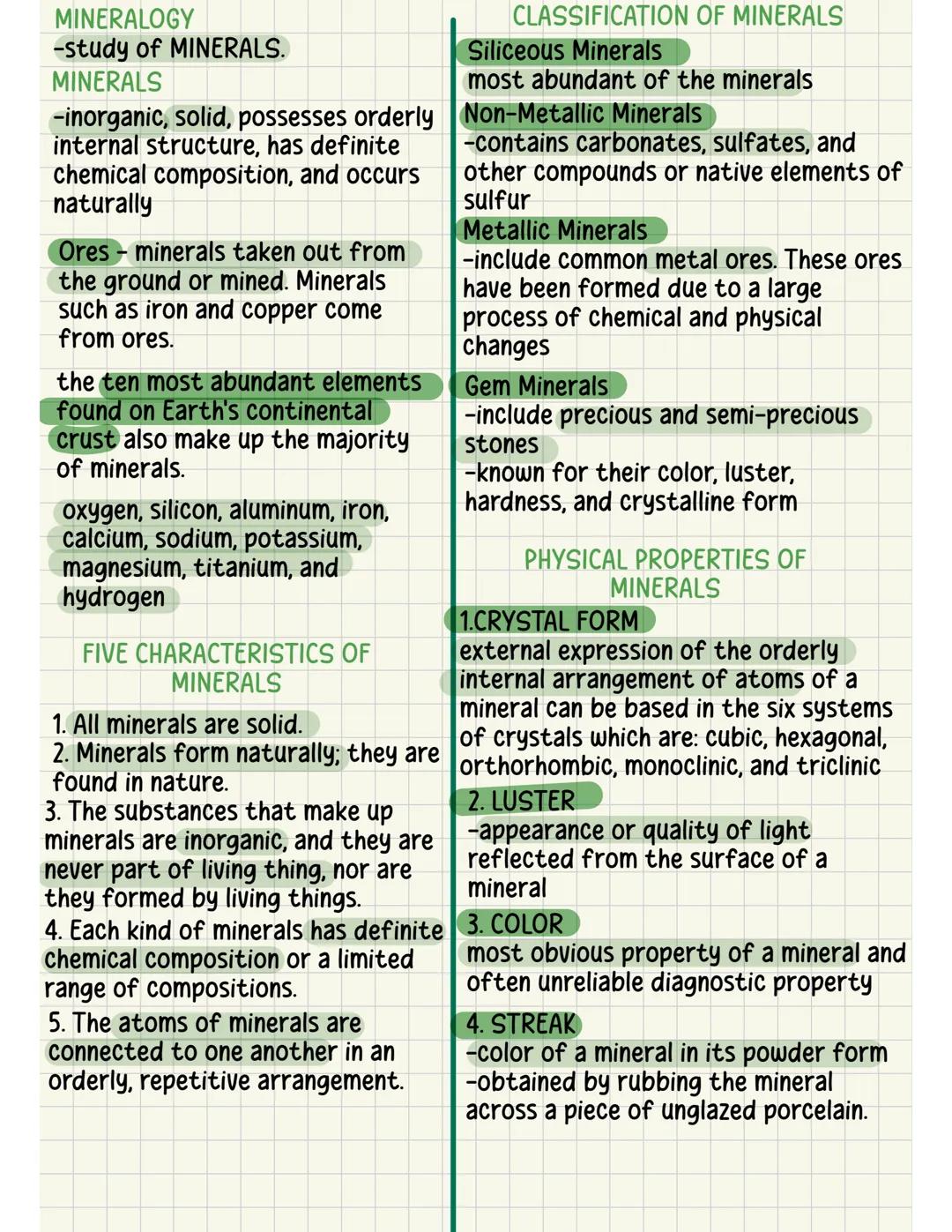
Minerals fall into four main groups. Siliceous minerals are most abundant on Earth. Non-metallic minerals include carbonates and sulfates. Metallic minerals are common metal ores formed through complex chemical and physical processes. Gem minerals are precious and semi-precious stones valued for their beauty.
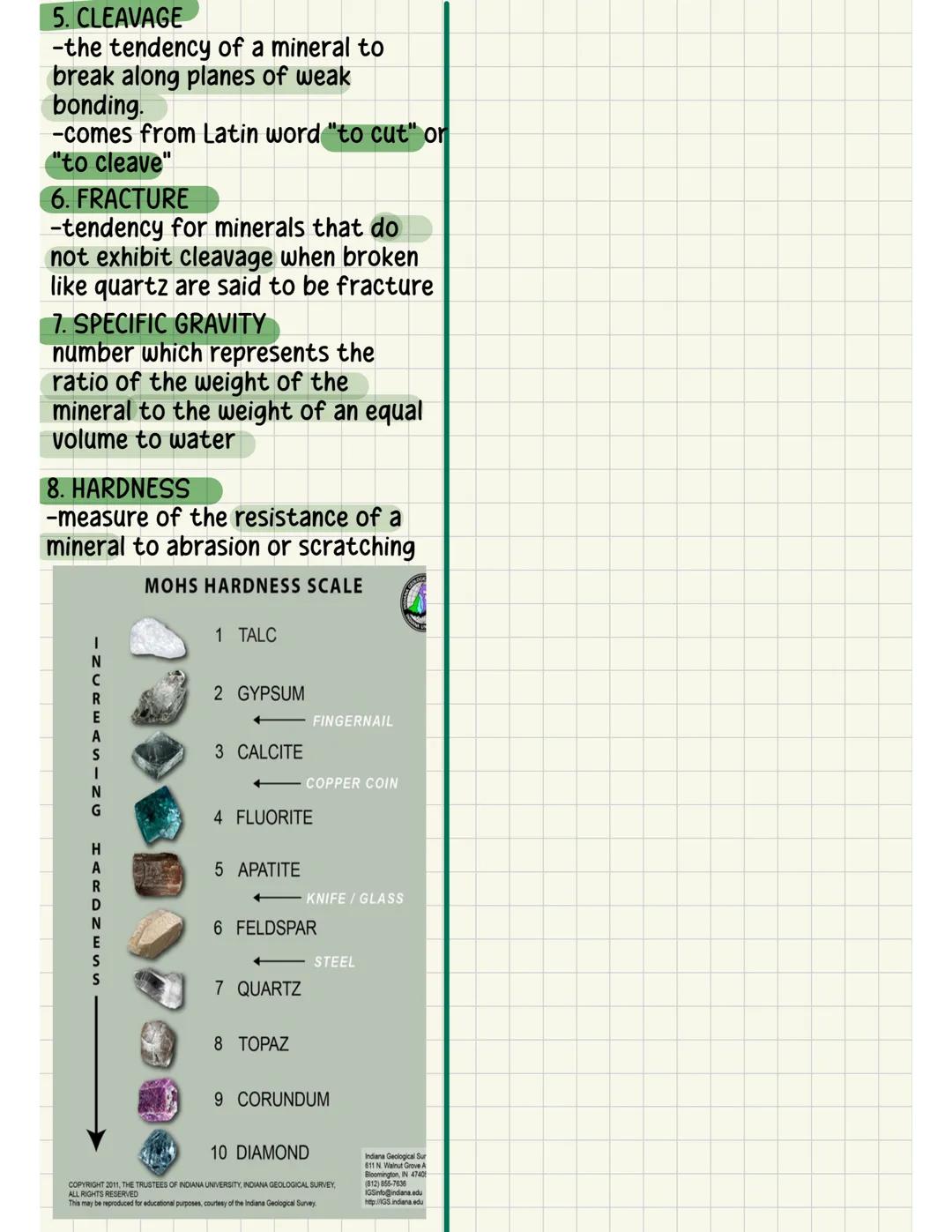
Crystal form shows a mineral's internal atomic arrangement through six crystal systems. Luster describes how light reflects off the surface. Color is obvious but unreliable for identification. Streak reveals the mineral's true color when powdered by rubbing it on unglazed porcelain.
Pro Tip: Never rely on color alone to identify minerals - streak and other properties give you much more reliable clues!


 Earth Science
 Araling Panlipunan (AP)
 Iba pa
 Practical Research
 DISS
DISS