Earth and Beyond: Our Cosmic Neighborhood
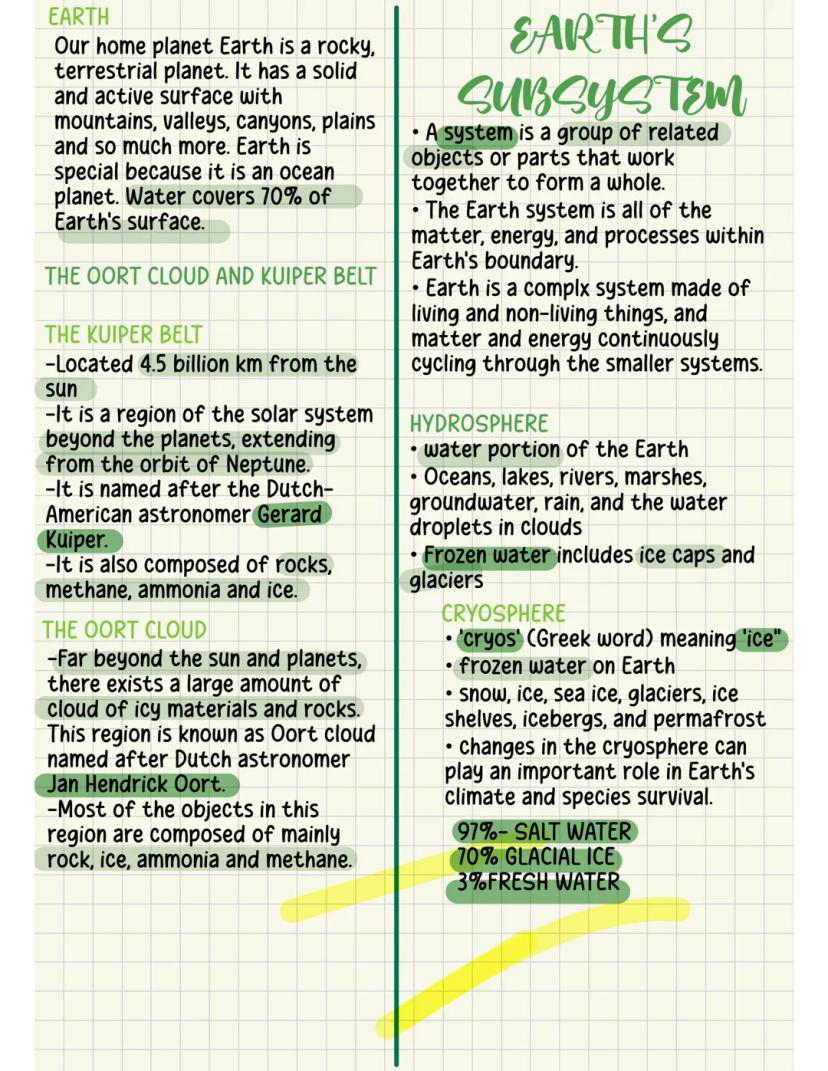
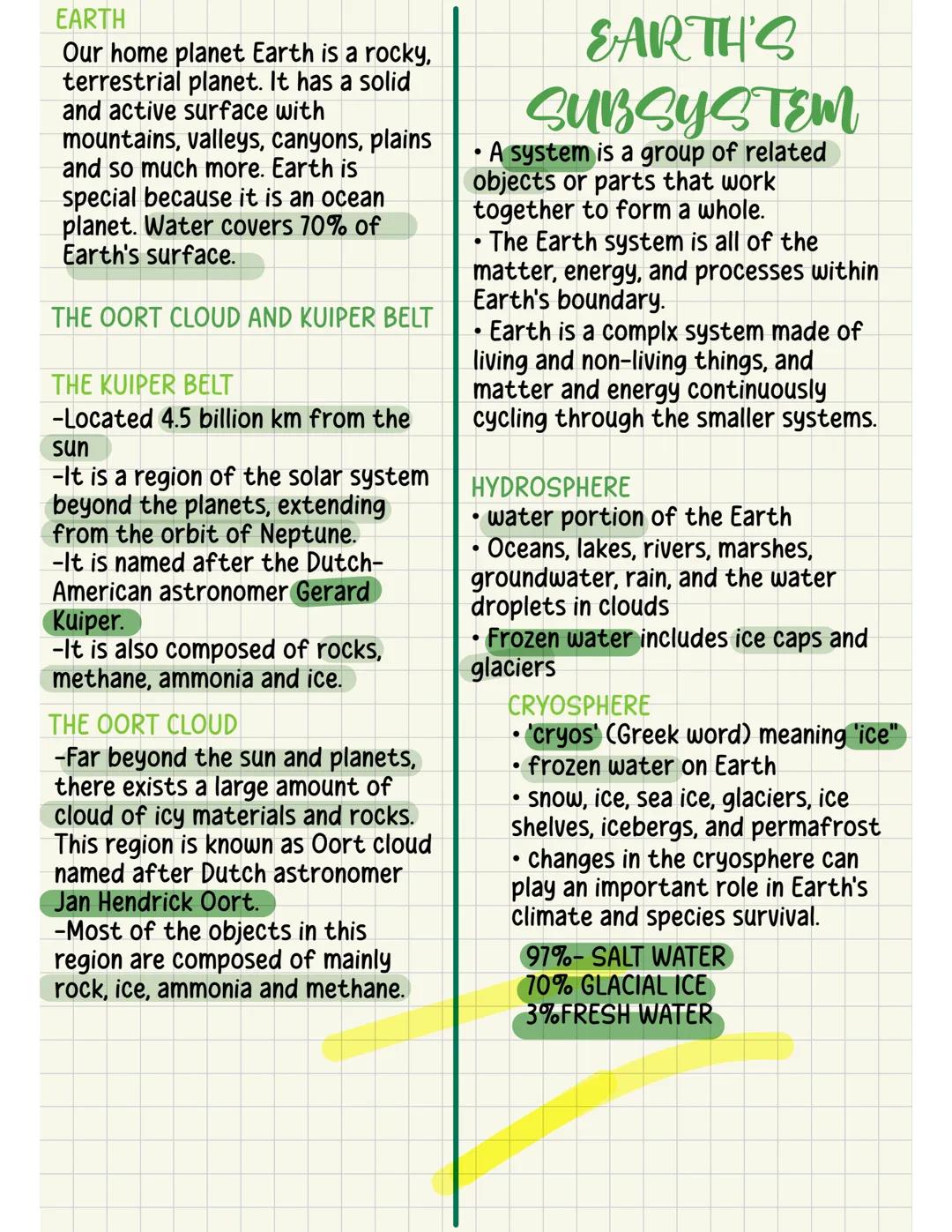
Earth stands out as the ultimate ocean planet in our solar system, with water covering 70% of its surface. This rocky, terrestrial world has everything - mountains, valleys, canyons, and plains - making it the perfect home for life as we know it.
Way out in the cold depths of space, you'll find two fascinating regions that help complete our solar system. The Kuiper Belt sits about 4.5 billion kilometers from the sun, right beyond Neptune's orbit, packed with rocks, methane, ammonia, and ice.
Even further out lies the mysterious Oort Cloud - a massive collection of icy materials and rocks that most scientists believe is where many comets come from. Both regions were named after Dutch astronomers who helped us understand our solar system better.
Earth's Subsystems: The Big Picture
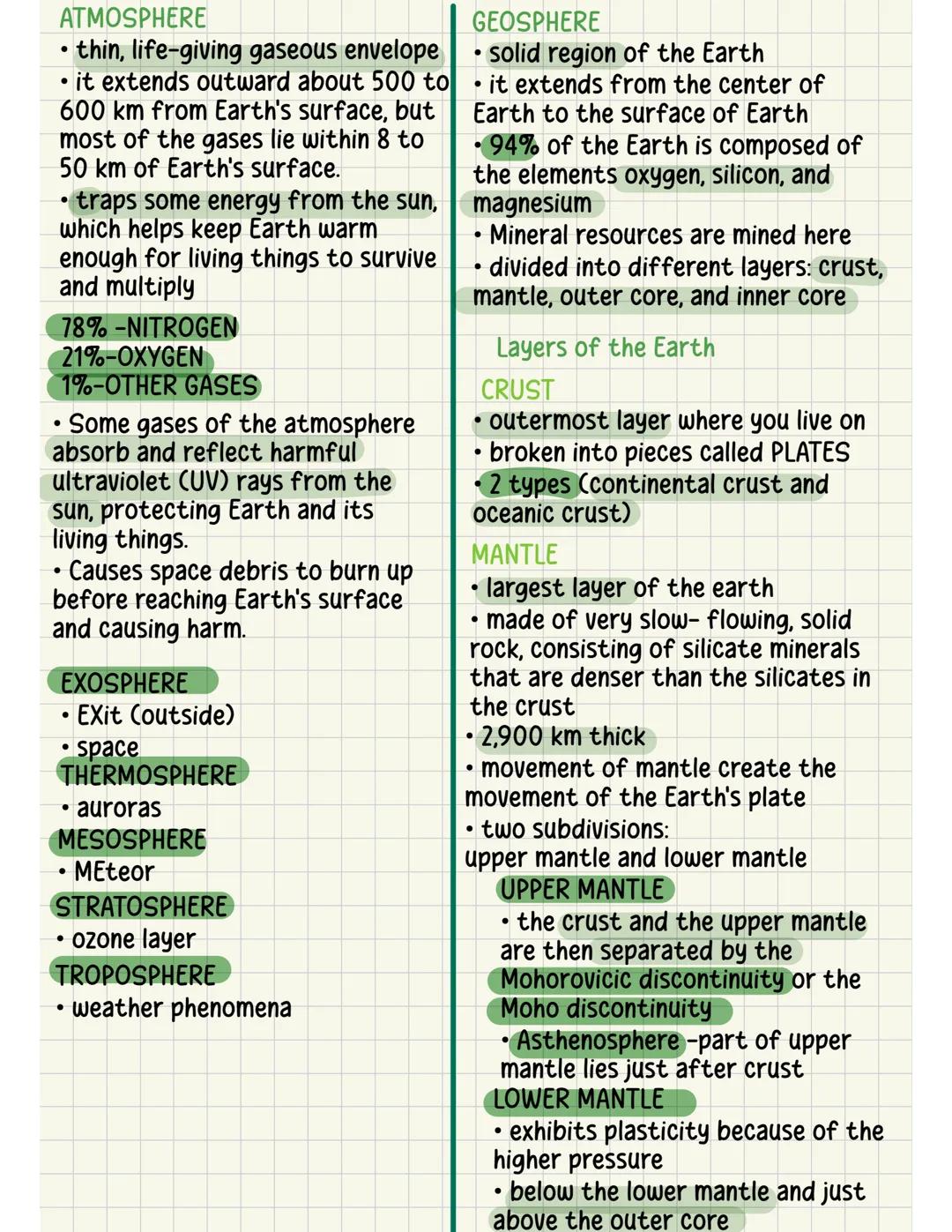
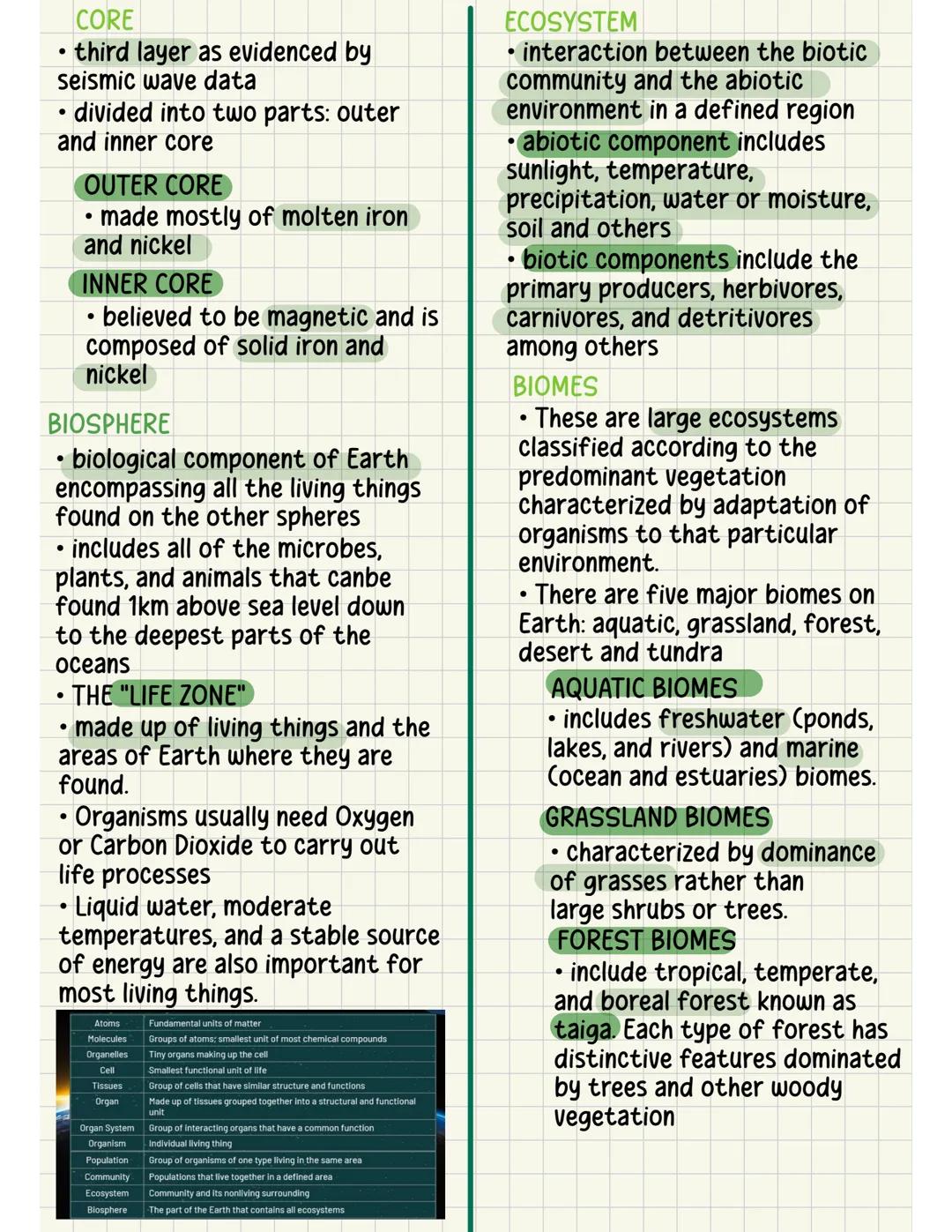
Think of Earth as one giant, complex machine where everything works together. The Earth system includes all the matter, energy, and processes happening within our planet's boundaries - and trust me, there's a lot going on!
The hydrosphere is basically all the water on Earth - oceans, lakes, rivers, groundwater, rain, and even those tiny water droplets floating in clouds. Here's a crazy fact: 97% of all this water is salt water, and most of our fresh water (about 70%) is actually frozen in glacial ice.
The cryosphere covers all the frozen water on Earth. The name comes from the Greek word 'cryos' meaning ice, and it includes everything from snow and glaciers to sea ice and permafrost. Changes in this icy world can seriously affect Earth's climate and whether different species can survive.
Fun Fact: Only 3% of Earth's water is fresh water, and most of that is locked up in ice!


 Earth Science
 Araling Panlipunan (AP)
 Iba pa
 Practical Research
 DISS
DISS